School safety is an important topic for every teacher and student. It affects not only the physical and mental health of individuals, but also the learning and living environment of the entire school. It is our shared responsibility to understand and acquire basic security knowledge and to develop the capacity to respond to emergencies. The following is a systematic presentation of school safety-related knowledge in several key areas。
I. Security of daily life
In daily school life, security risks may exist in multiple corners. Vigilance and good habits are essential。
1. Security of dormitories: dormitories are our home on campus. Be careful with electricity security. The power lines are not used in a private way, and irregular appliances such as fast heat, stoves, etc. Cell phones and computer chargers should be removed in a timely manner if they are not used. The personal belongings should be kept in safe custody and the doors and windows should be locked from the dormitories, even for a short period of time, and the valuables should be placed in the cabinet and locked. Maintenance of open access to the building, non-stocking of miscellaneous items, familiarization with fire routes and emergency exit locations。
2. Financial security: in public places such as classrooms, libraries, canteens, playgrounds, etc., they should be kept either in their own hands or in the custody of familiar classmates. Cash should not be carried too much and deposited in a timely manner. Care must be taken of strangers ' contact or recourse, especially when it comes to property。
3. Traffic safety: combining motor vehicles, non-motor vehicles and pedestrians on campus is common. On foot, it should walk along the sidewalk, watch for incoming and outgoing vehicles and not look down at mobile phones. A bicycle or electric vehicle shall control the speed of the vehicle, not reverse, not rob and wear a safety helmet. When travelling on a school bus or other public transport, order shall be observed and the vehicle shall remain in place until it has stabilized。
Ii. Human and mental health security
Safeguarding physical integrity while maintaining psychological balance is an important element of security。
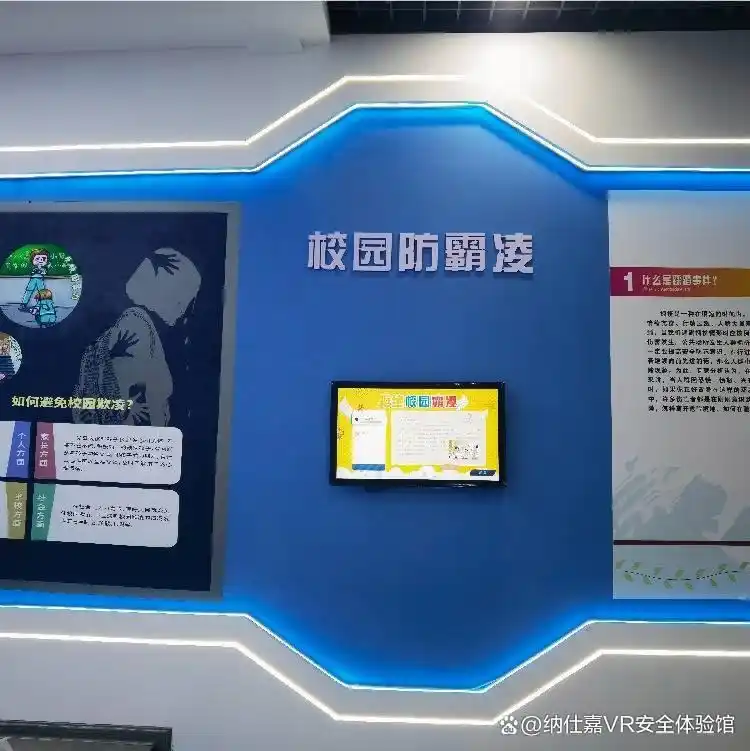
1. Prevention of bullying and violence: firm opposition to any form of bullying and violence. If such a situation occurs or is witnessed, and subject to ensuring their safety, they should be courageously stated “no” and reported in a timely manner to a trusted teacher or school department concerned. To avoid going alone to remote corners of the campus and to spend the night as much as possible together。
2. Physical safety: physical activity should be preceded by adequate warm-up and inspection of sports sites and devices. It is important to move within the movement to avoid excessive fatigue or risk-taking. If they feel ill, they should immediately cease their activities and seek help。
3. Interpersonal interaction and psychological adjustment: to establish good interpersonal relations with classmates, teachers, to learn to communicate with friends, family members or to seek support from the psychological support resources of the school. Maintaining an optimistic and positive mindset and fostering healthy interests are effective ways to deal with stress。
Iii. Fire safety
Fires are ruthless, prevention first. Access to fire protection is compulsory for everyone。

1. Fire prevention: strict compliance with fire safety regulations at school and non-carrying of flammable explosive substances into schools and dormitories. Not smoking in dormitories, using open fire. Chemical reagents and instruments are used strictly in the course of the experiment。
2. Fire facility awareness: know and care for the school building, fire facilities within the dormitory building, such as fire extinguishers, fire bolts, alarm buttons and methods of use. These facilities are not arbitrarily appropriated or damaged。
3. Fire escape skills: familiar with safe exit and evacuation routes of the building. At the time of the fire, calm was maintained and the mouth and nose were quickly covered with wet towels, with low postures to evacuate along the safe passage and with no lift. If the door is sealed by fireworks, the room should be returned, the door stitched by wet cloths and a distress signal sent out in the window awaiting rescue。
Food safety and hygiene
“putting a disease in the mouth”, taking care of dietary hygiene and keeping the environment clean, is the basis for disease prevention。
Food security: to the extent possible, meals are served in school canteens or regular-qualified restaurants. When buying packaged foods, care is taken to see the date of production, the period of preservation and the manufacturer. No food is purchased from undocumented vendors, no raw water is consumed, and guacamole is washed and eaten. Have good hygiene habits and wash your hands before eating。
Prevention of infectious diseases: maintenance of ventilation in dormitories and classrooms. (c) minimize crowd-intensive site activities and wear masks where necessary during the high incidence of infectious diseases. Under school arrangements, active participation in beneficial health activities is carried out. In case of ill health, such as fever and cough, medical breaks should be reported in a timely manner。
3. Environmental health: maintenance of a clean school environment and non-spam disposal. Perform personal internal duties, change laundry and bedding to prevent disease。
V. Natural disasters and emergency response
In the face of irresistible natural forces or sudden-onset situations, basic coping knowledge can effectively reduce harm。
1 meteorological disaster response: attention to weather forecasting and reduction of outdoor activities during severe weather events such as heavy rains, lightning and wind. Thunderstorms do not stop under trees and open heights, closing doors and windows and cutting electrical power. In case of heavy rains, water is accumulated to avoid an unknown depth and to prevent electrocution or fall。
Earthquake response: in the event of an earthquake, a “life triangle” such as a solid furniture or wall corner should be quickly hidden indoors to protect the head. When the vibrations ceased, an orderly and rapid withdrawal was made to the open areas. Do not jump off buildings or use elevators。
3. The general principle of exigency: in the event of any sudden emergency (e. G., congestion, suspicious objects, etc.), first and foremost, remain calm and subject to the unified command and guidance of the school. (b) to avoid or evacuate in accordance with the normal practice and methods of training, without perimeter, fear, disbelief or rumour。
Security awareness is not built overnight, and it requires that we internalize and internalize that knowledge. The schools regularly organize security exercises, and it is hoped that all will be seriously involved. There is also a need to remind each other, to care for each other and to work together to build a secure perimeter for the campus. A safe school environment is a fundamental guarantee of our safe learning, healthy growth. Let us build a peaceful, harmonious and beautiful campus together, starting with ourselves and starting with the details。