In the course of the historical process of the development, trading and evaluation of emeralds, a number of terms or words have evolved and are still widely used. These terms or lines make it hard to think at once, and today small feathers are introduced in broader terms or lines。
Emerald means the red and yellow parts of the emerald, the colour of which is associated with the mineral elements contained therein: one is due to the presence of trace amounts of manganese in primary emerald ore, the colour of which is generally purple, and the other is due to the transformation of iron into iron trioxide (fe2o3), which is partly or entirely red or yellow, during the fermentation process。
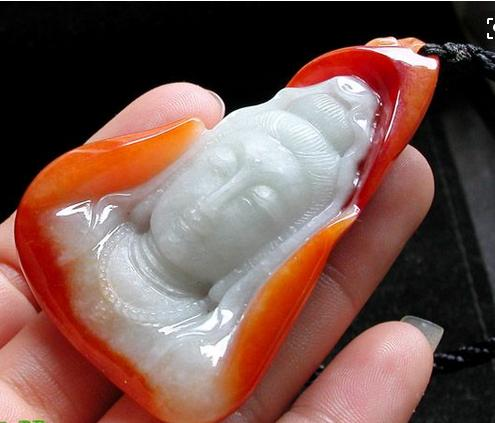
The green part of the emerald is shown by the presence of trace chromium and iron。
The blue purple part of the jade raw material is the colour of violet, which is also a more popular colour。
Zirconium is the black part of the emerald material, mainly due to the presence of peri-carbon or magnetite in the emerald material。
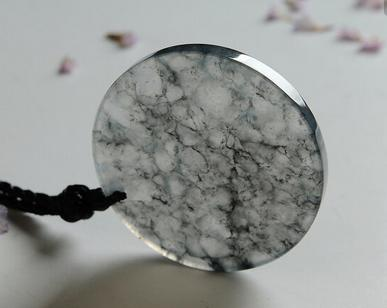
The platinum refers to the graphite in the emerald, most of which is the result of the tectonic movement of the earth's crust, a characteristic of the natural jade, by which it can be judged whether or not it is natural。
Treading, also known as fly wings, is a unique feature of emeralds, which refers to the flashing effect of silk in the form of light reflecting from the decomposition surface of hard jade minerals。
Stones are white spots piled together in the jade。
Spring ribbon colours refer to the appearance of both green and purple colours on the material or work of emerald。
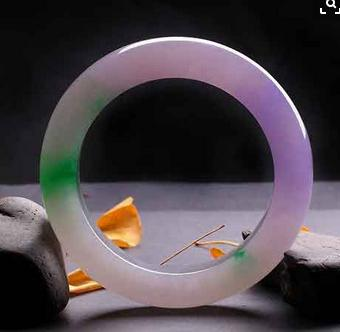
Yellow and green refers to both green and yellow colours appearing on the material or work of the emerald。
Fukuo, also known as the “peach garden triple”, refers to the presence of red, green, purple or blue colours on emerald raw materials or emerald works, which are particularly rare because of their meaning and beautiful colours。