The treasure of the emerald is green, and the green of the emerald stones is hidden on the skin, and if there is green moss on the skin, it is green. The characteristics of green on the skin can be classified as hard green, green moss, green eyes, green silk and green soft. Different external performances reflect the different characteristics of their internal greens, as outlined below:
(1) green hard: also referred to as sudden, refers to green belts consisting of hard jade minerals that display slightly prominent green ridges or green drums on the skin. Green is a strong reflection of the hardness of the ground along its depths, and there may be a strong green, which is a good external performance, and the expert says, “better buy a line than a piece”, which means that it is best to choose the hard-green material。
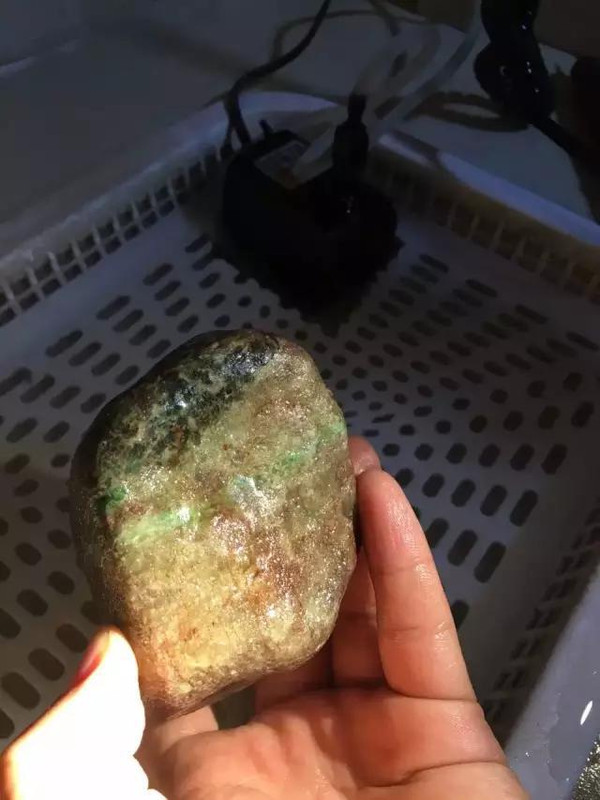
(2) green moss: also known as mosses, refers to dark mosses on the skin of green, which may be green inside the emerald with that characteristic。
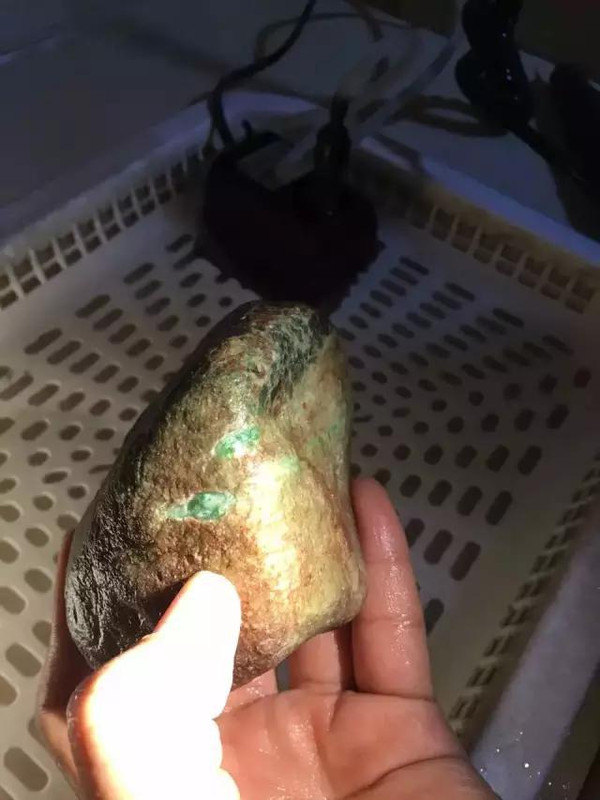
(3) green eye: refers to a puddle with a green funnel on the skin, which is eye-like and also indicates that there may be green inside, but may be mass。
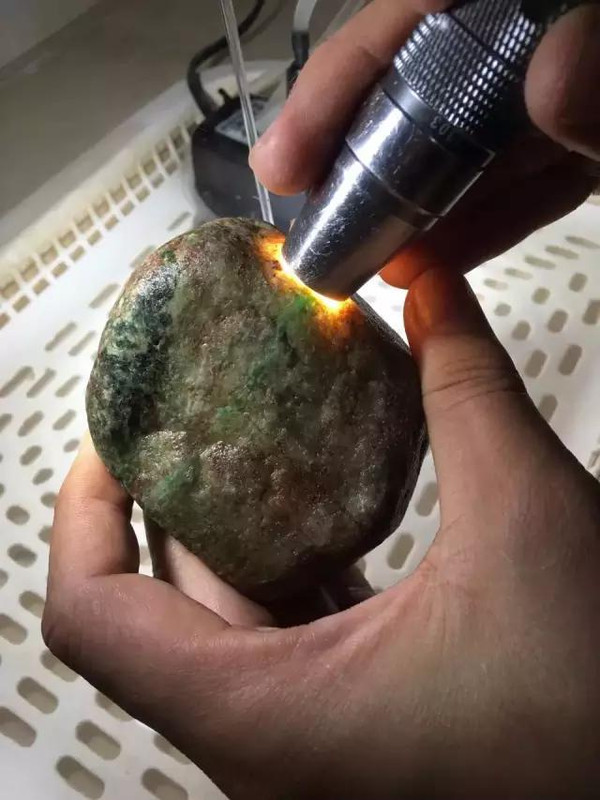
(4) green wire: also known as stripes, refers to a green belt or line distribution on the skin, reflecting the greening of the interior, but may not be good。
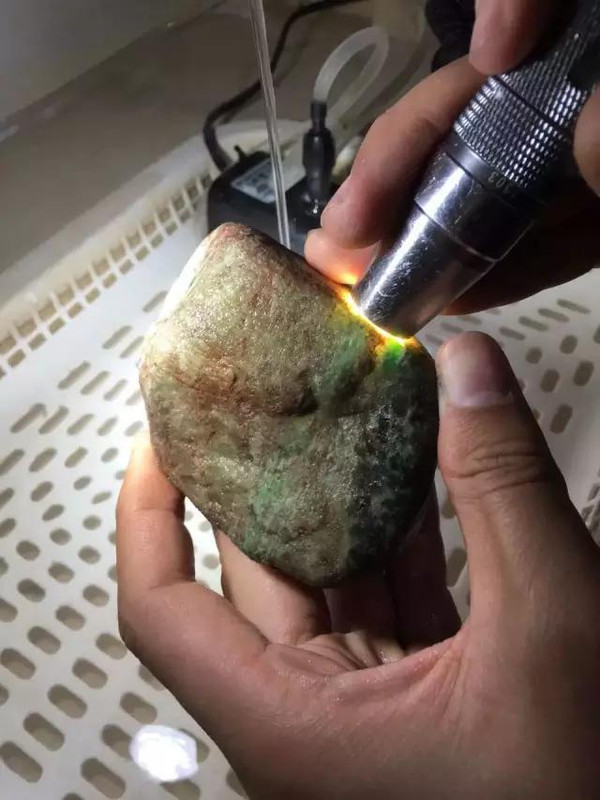
(5) green soft: also known as trench, means a green belt consisting of minerals such as tremolite, calcium plume or neptunite, which is dented on the skin and which reflects the internal green comparison bad
——
The quality of the emeralds is extremely harmful and, even if they are high green and are good, too many cracks will be of no value. It is therefore important to judge the situation of the emeralds by observing the characteristics of the leather。
There is a large and hidden part of the platinum, which is more visible and readily known on the skin (e. G., tamer, leather and scab). The following types are common:
(1) step: demonstrated on the excise of emeralds in different steps of different sizes, with a high or vertically high level of the steps。
(2) trench pattern: deep and shallow trenches on the exterior of the emeralds, with different sizes of tugs in the direction of the gutter。
(3) interlocking: when there are two slopes on the outer skin of the emerald that intersect at different angles, it is likely to appear at the intersection。
——
Is there a flaw in any valuation or reward? What are the flaws? The defects in natural emeralds are normal, and whether value is affected depends on the defects。
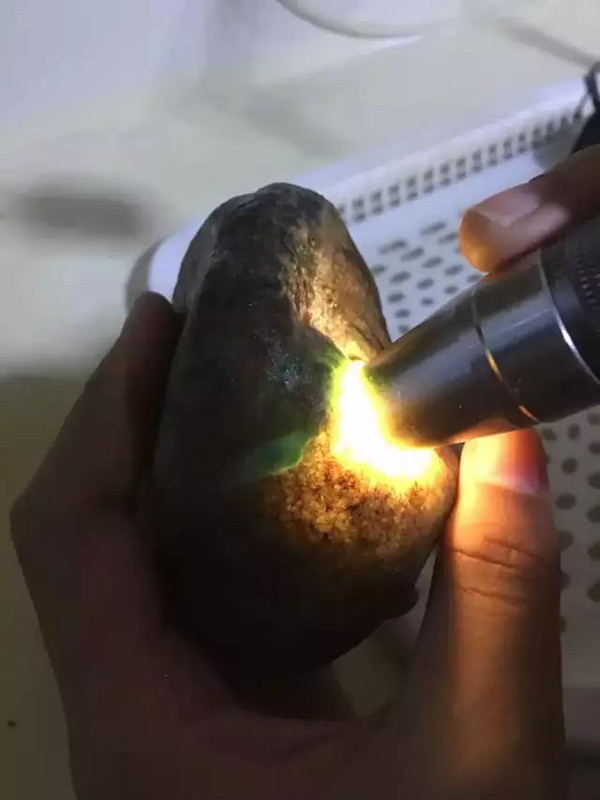
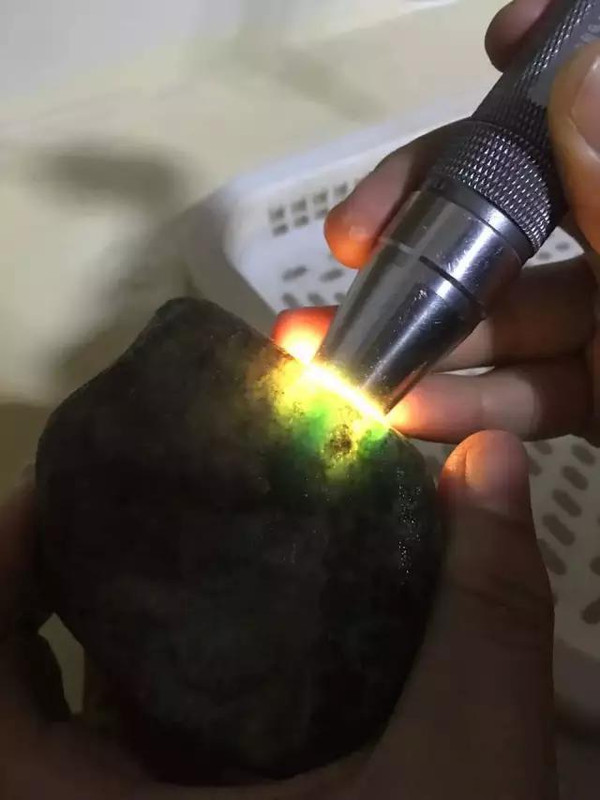
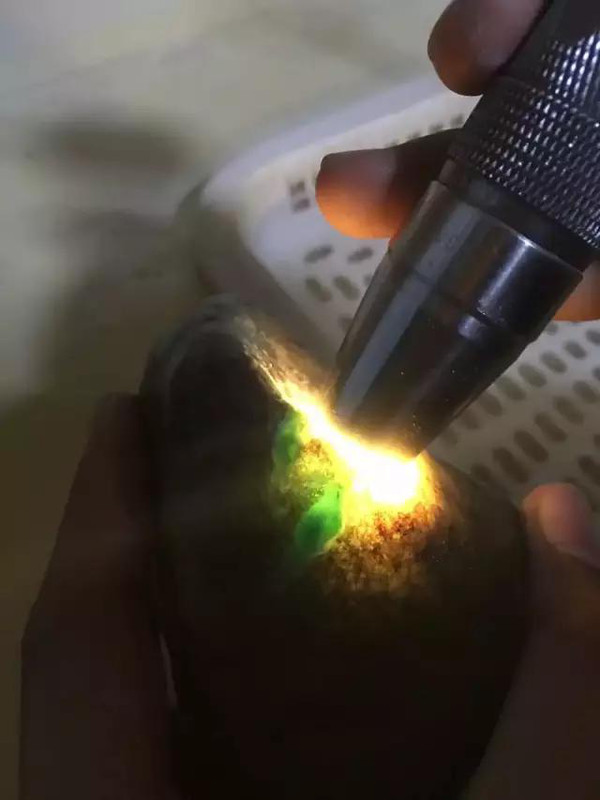
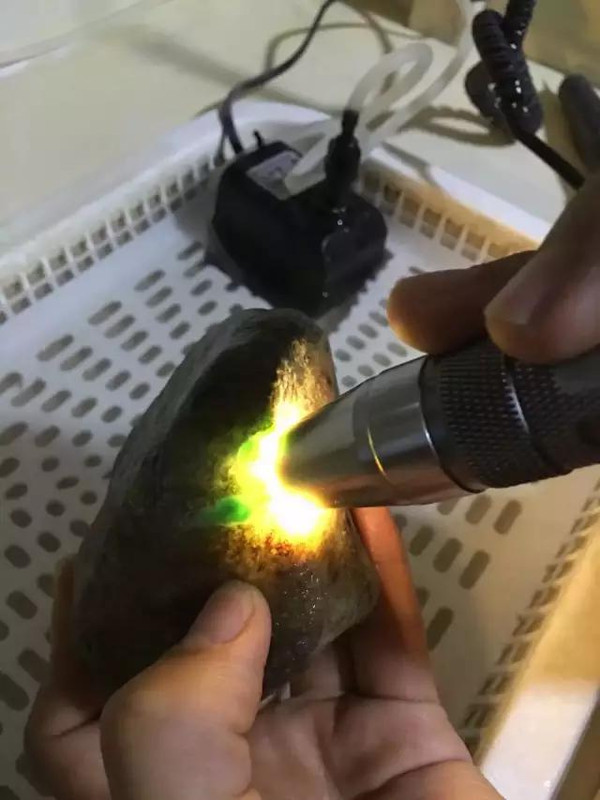
Impairment of the emerald is a factor that grows within the emerald or on the surface and causes or causes large or small damage to the emerald surface and appearance. In other words, perfection is decisive for its value. All we have to do is look after it with a ten-fold magnifier. If it is to be observed whether there are any dark cracks or impurities in the emeralds, a jade flashlight may also be placed at the rear, as it is lit。
1. Fragments
The stone was dropped during the handling process, the pieces were hit during the processing process and the products accidentally fell on the floor. The cracks are generally caused by the day after the day (innate), with a high number of external cracks, visible to the naked eye, no filling in the middle, scratchable to the fingernails, some severe and some slight。
Two, crack
Emeralds are fractured by external stress during long and complex geological formation. Cracking is generally caused by congenital (innate), with a high degree of internal (intangible) and visible, coloured (incredible) fillings in the middle, generally impurable nails, and severe and mild。
Three. Scrambled
In the ground, it is felt like roots, slags, which are the impurities of emeralds that are mixed in the formation of long and complex geological environments. Scrambling is caused by birth, visible, not fissure, serious and mild。
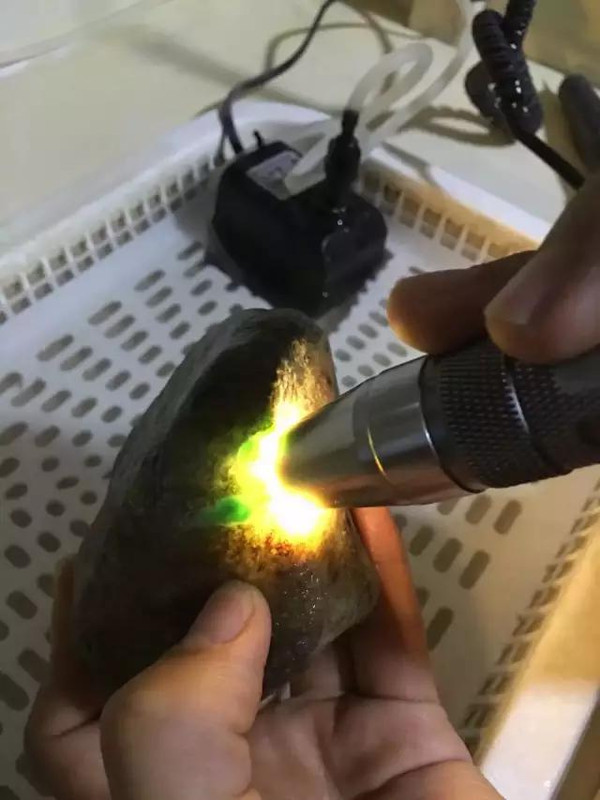
4 stones
The partial error of emeralds in the formation of long and complex geological environments as a result of exterior force squeeze is marked by the uneven structure of the adjacent parts of the misplaced emerald land, which looks like cracks. Stonelines are made of congenital (innate), visible, not fissure, with no coloured (composite) fillings in the middle, visible and hidden, and common icelines are one of these。
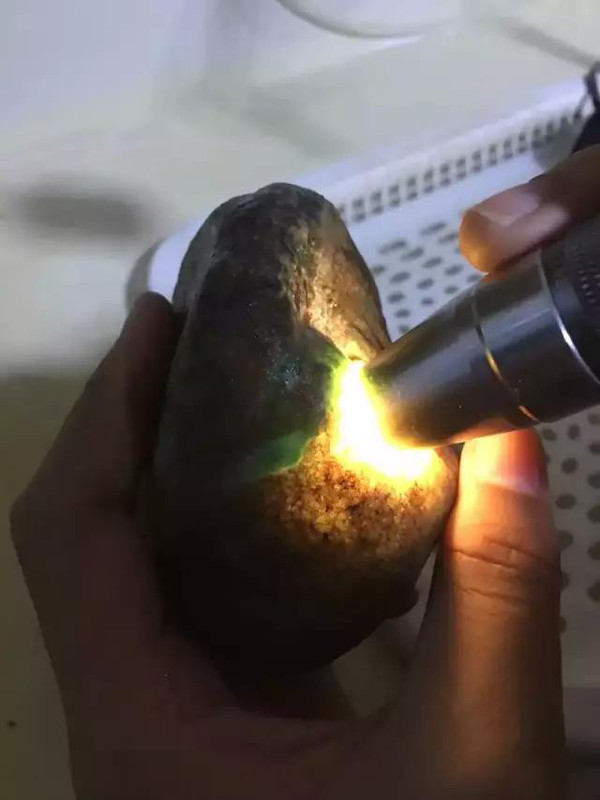
5. Stones
There are often less transparent masses in emeralds than the earth, which are called “boulheads” in the form of dry bar, which are more fragmented in the form of “flowers”, which resemble cotton, and fine drifting in the form of “snowflakes”。
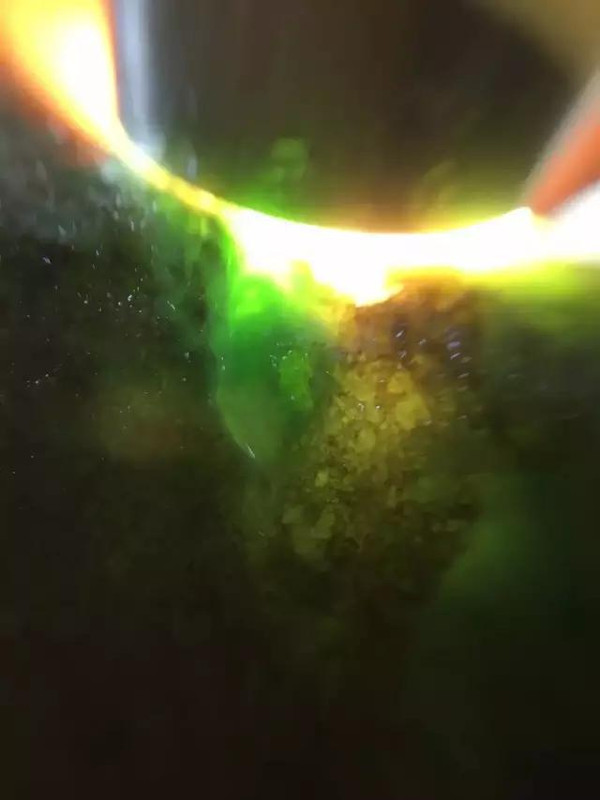
6. Miscellaneous
Emeralds have more or less colours, large and small. The presence of small areas or dots of green, red, yellow, which can make the whole emerald jewellery more beautiful and more distinctively known as color; the presence of small areas or dots of black, brown, grey, etc., which can make the entire emerald jewellery even less visible and known as tan; and of dots of black, brown, grey, etc., which are also called dirty points。
It is not a flaw if a degree of masonry, graphite, graphite, tan, dirty dot, etc. Is sufficiently deep to affect the beauty of the original, and if a degree of shallowness does not significantly affect the beauty of the original。