Many families tend to cook with iron casseroles, which are boiled with cooking gas and a small amount of iron. It is disturbing to note that iron casseroles are always rusty, not only in the eye, but may be mixed into the cuisine. In order to prevent rust, some people simply don't wash the pot, so it's more difficult to clean it, and others try to paint it, cook it, but it's still rusty in a few days. In fact, rust in iron pots is not “natural”, but rather conservation methods are not found, with a few key techniques, and the iron pots not only stay rusty for the rest of their lives, but also more smoother and more “souls”。
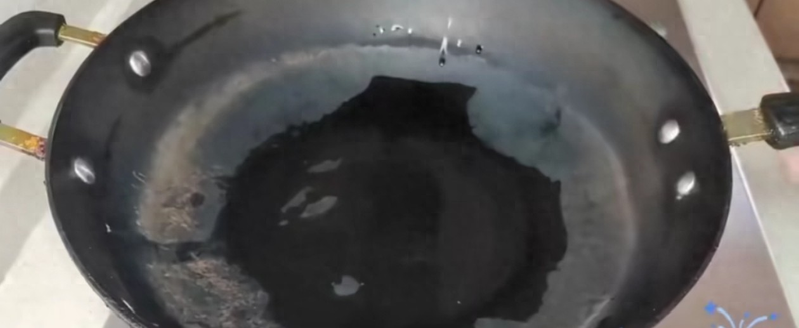
First, the new iron pot will start with a "cooking pot" that will lay the foundations for protection against rust
Whether it be dozens of ordinary iron pots or hundreds of cast iron pots, the new pots cannot be bought directly, and the “cooking” steps must be taken first. This step is the creation of an initial “film-protective layer” for the iron pan, like a “stainproof coat” for the iron pan, which is key to preventing subsequent rust。
The correct opening step is simple, but in five steps:
1. De-industrial coating: the new iron pot is usually covered with a layer of industrial stainproof oil, which is washed with hot water and then squeezed with detergent water, and the interior, outer and base of the pan is rinsed repeatedly with a clean cloth, the industrial oil is thoroughly washed, washed and washed with clean water and dry water。
2. Decontamination: put the dry iron pan on the gas stove, start a small and medium fire, and turn the iron pot while burning it, so that each part of the pot is equally heated until it presents a blue and black oxidation layer, a step that removes impurities and residual metal crumbs。
3. Oil coating after cooling: the fire has allowed the iron pot to cool naturally to the point where it is not hot, and then a small amount of edible oil has been taken from the kitchen paper towels (it is recommended that oils with high fat content, such as pig oil, vegetableseed oil, be used to create stronger oil film), which is evenly painted on the inner walls and bottom of the pot, including the position along the pan。
4. Second boiler solid membrane: once again put the oiled iron pot on the fire, turn on the fire and warm it slowly, while the oil melts and permeates on the surface of the pot, until the oil membrane becomes slightly smoked and the fire continues to cool the iron pot naturally。
5. Repeated cooking pans: once the iron pan is cooled, it will be painted with paper towels, followed by a small roast, which will be repeated two to three times until a smooth, bright oil sheet is formed on the top of the pot and the opening of the new iron pan is completed。
Many people buy new pots for direct use, skip the opening steps, have no layer of protection and are naturally rusty when exposed to water and air, which is the first major cause of rust in iron pots。
Day-to-day use: avoiding 3 “battle” habits and reducing rust incentives
The starting pot is the foundation, the bad habits of daily use, and the “principals” of rusting the iron pot. When many people run out of iron pots, they either flush the pot directly with cold water, wash it dry, or brush it with a steel ball, which destroys the oil sheet on the surface and makes rust organic。
First, we must avoid the three worst habits:
1. Don ' t use cold water to heat the pan: the iron pot is at high temperature when it's just finished cooking, when it's suddenly flushed with cold water, the surface of the pot will produce fine cracks because of the heat swelling and condensed, the oil membranes will crack and the air and water will enter from the cracks, causing rust. The right approach is to let hot pots cool naturally or wash with a small amount of warm water。
2. Don ' t wash the pot without drying it: if it is washed directly in the sink, the remaining water on the pot and the air react with oxidation, it will soon produce rust. Even with dry cloths, it is necessary to burn on the fire for a few more seconds, to dry the remaining water vapour completely and to remove rust from its roots。
3. Don ' t use steel silk balls as hard brushes: oil film on the surface of the pot is the key to protection against rust, and it is brushed with hard tools such as steel silk balls and clean balls that the film will be scraped directly, and scratches will be left on the surface, which will make it easier to hide dirt and rust. Soft sponges and silk melons are enough to wash the pot, and stubborn stains can be wiped with warm water bubbles for a while。
In addition to this, care must be taken not to load acid foods with iron pans, such as vinegar, tomatoes, lemons, etc., for long periods of time. The acids corrosive the oil membranes on the surface of the pot. They also react with iron to produce rust and wash the pots and dry them in time。
Iii. “closure” techniques for cleaning the pot and consolidation of the stainproof oil film
Many people think it's over after washing the pot, but it's still the last step of “damping the film,” a step that makes the oil sheet thicker on the surface, and it's going to get better and better, and it's the secret of the iron pot to “get better”。
The correct end of the pot is three steps:
1. Temperature cleaning: after cooking, while the pot is still a little warm, it pours into a small amount of warm water, wipes lightly with soft sponges along the line of the pot, and removes slags and oil stains. If there is a scorched stain, without a hard brush, with a little salt in it, with a sponge covered with salt, the salt particles can act as a mild grinder and do not scratch the oil membranes and wash them with warm water。
2. Dry drying: drying the water from the pan with a clean kitchen paper towel, then returning the iron pot to the gas stove, burning the minimum for 10-20 seconds, and completely drying up the steam left over the pan, a step that avoids rust from the oxidation of the water residue。
3. A thin coat of oil: after the fire has been shut down, when the iron pot cools a little bit, a little bit of edible oil is drawn with paper towels, a thin layer is painted on the inner wall of the pot, and the iron pan is collected in a dry place. This thin oil supplements the oil membranes on the surface of the pot and makes the membranes more and more dense, so that, over time, the iron pots produce effects similar to those of a non-clause pot and can be effective in preventing rust。
This “clean-dry-paint” end-step is done every time the iron pan is exhausted, and the iron pot will become more and more rustproof, and it will not be easily rusted, even if it is sometimes forgotten to dry。
Iv. The iron pot is rusty, so it can be “recovered”
If the iron pan is rusted and not thrown directly, it can be re-formed into a rustproof oil film, depending on the weight of the stain, by corresponding means。
Treatment of different stains:
1. Slight rust (slight rust on the surface): prepare a bowl of white vinegar and a bowl of fresh water, mixed at a ratio of 1:1, pour the mixed fluid into the iron pan, boil it on the fire for five minutes, shake the iron pan while cooking, and bring the vinegar water to all areas of the rust. When the fire is shut down and light-sponged, the rust is easily released and then drys the pot, drys it and then coats it with oil。
Moderate rust (the rust is attached to the pan, and cannot be wiped off): the rusty piece of paper (it is recommended to use the sand paper above 2,000 for the purpose of avoiding scratching the pan) is slightly beaten to the original colour of the metal that is exposed to the iron pan, then the boiler is washed with warm water and the water is dried, and the iron pan is refilled with a sheet of oil following the “oil-cook”。
3. Severe rust (the rust has been skinned, perforated): if the rust in the iron pan has reached the inside of the metal, even if there are small holes indicating that the metal structure of the iron pan has been corroded, it is not recommended to be used in this case, and continued use may pose a safety risk and a new pot may be replaced by a fresh one。
There are also people who use the stains directly after they have been scraped off with a wire ball, without refilling the oil sheet, and then re-emergence in a few days, which is the most likely error in handling the rusty iron pan。
Collection and maintenance of iron pans, details of which determine the effect of rust
The inclusion of iron pots in the environment and long-term maintenance can also affect the protection against rust. Many people put iron pans under the wet sink or piled them with other cookers, not only easily rusty, but also scraping the oil sheet on the surface。
Attention to iron pot collection and long-term maintenance:
1. The reception environment must be dry: the iron pan should be placed in a dry, ventilated place, such as the kitchen shelf, and not in the cupboard below the sink (the sink is easy to accumulate and the environment is damp). If it's in the cupboard, you can put a bag of dryers in the cupboard to absorb the tide。
2. Avoid scratching: do not stack iron pans with hard cookers such as stainless steel pots, aluminium pots, or place shovels and spoons directly in iron pans to prevent hard matter scratching the oil membrane, and suggest a skin protection film for iron pans, or on a special boiler rack。
3. Long-term non-use maintenance: if the iron pot is not used for a long time (e. G. For tourism), the iron pot is cleaned and dried thoroughly, then a slightly thick layer of edible oil is coated and the pan is covered with protective film, so that the iron pan will not rust for months。
4. Regularly replenished oil pans: if the iron pans are found to be lightened and have a bit of ablaze, this means that they need to be supplemented. Following the “oiled-cooked” steps, the iron pan will be refilled with a film and the rustproof capacity of the iron pan will be restored immediately。
Six: don't waste your time avoiding the rust-proof areas
Many people have tried to protect themselves from all kinds of “short” rust, which makes iron pots more rusty
1. Mistake i: cleaning the pot will damage the oil membrane and therefore never wash it. In fact, it's okay to wash the iron pot with a little detergent, without a wire ball, but to wash the oil out of the pan's surface and avoid piles of oil. After washing, drying and oiling are done in a timely manner, and the oil sheet will be restored soon。
2. Zone two: the thicker the iron pan, the harder it is to rust. The rustproofness and thickness of the iron pan are not related, mainly to the good or bad of the film, and the thin iron pan can be stainless as long as it is properly maintained。
3. Mistake iii: frequent boilers make iron pots more rustproof. The opening of a pot is the basis for the iron pot, which is enough once it is in place, and the frequent opening of a pot will thicken the oxidation layer of the pot and affect the taste of the cooking, which will require only regular refuelling on a daily basis。
Concluding remarks
The iron pot is not a “consumable product”, but rather the more valuable cooking tools are used, and many of the old cooks' iron pots have been used for more than a decade and remain as bright as new, as they are not embroidered, and are based on the right conservation approach. From the start of the new pot, to the details of its daily use, to the end of the wash and the collection, each step revolves around the core of “making the oil membranes, protecting the membranes”, so that the iron pot can be released from rust and become a family heirloom in the kitchen。
In fact, the maintenance of the iron pot is a process of grinding with the cooker, and when you learn its “temporary” slowly, you find that there is no substitute for any uncut pot. It's hoped that these techniques will help you, so that your iron pots will remain rusty for the rest of your life, and the more you use them。