Common law classes
Food safety laws
Knowledge
/ food safety promotion/
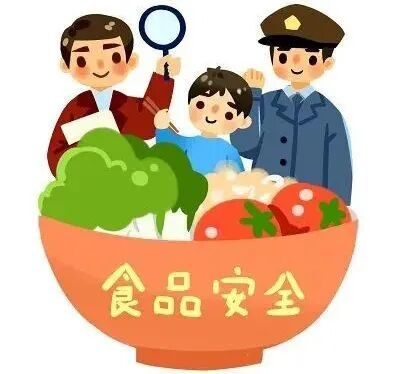
I. What is food safety?
Food safety is non-toxic, non-hazardous and meets the nutritional requirements that should be required, and does not cause any acute, sub-acute or chronic harm to human health。
Is an administrative permit required for food production?
Under article 35 of the food safety act, the state has a licensing system for the operation of food production. Food production, food sales and catering services shall be authorized by law. However, no permit is required for the sale of food produce。
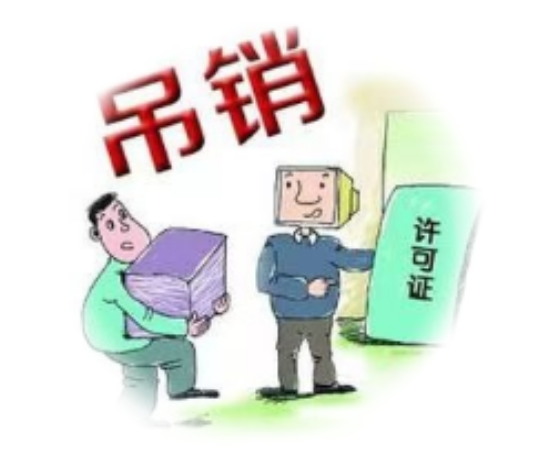
Iii. What are the legal responsibilities for operating food production without a food operating licence?
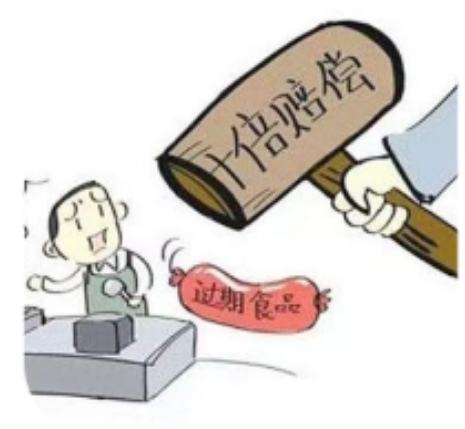
In accordance with article 122 of the food safety act, in violation of the provisions of this act, the food and drug administration of the people's government at the county level and above shall confiscate food products, food additives and instruments, equipment and raw materials used in illegal production and operations without obtaining a licence for the production of food products or for the production of food additives, and shall impose a fine of between $50,000 and 100,000, if the value of the goods is less than 10,000 and a fine of 10 times 20 times the value of the goods。

What are the prohibited food products?
Under article 34 of our food safety act, the production and operation of the following foodstuffs is prohibited:
01
(b) foods produced from non-food raw materials or chemical substances other than food additives and other foods that may endanger human health, or from recycled foods as feedstocks
02
Pathogenic micro-organisms, foods, food additives, food-related products containing pesticide residues, veterinary residues, contaminated substances such as biological toxins, heavy metals and other substances harmful to human health that exceed food safety standards limits
03
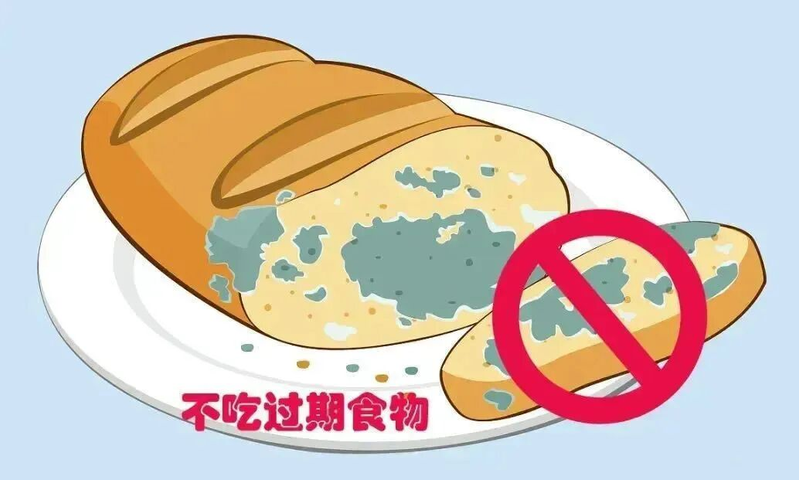
Food products, food additives produced from food raw materials, food additives that exceed their shelf life
04
Food products that are over-ranged and over-restricted using food additives
05
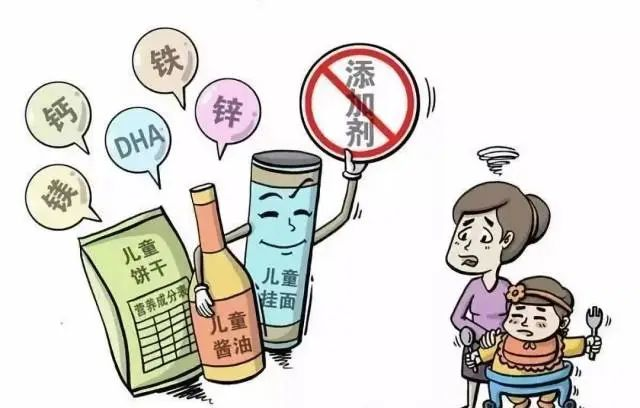
(b) food supplements for infants, young children and other specific groups whose nutritional content does not meet food safety standards
06
(b) corrupted, derelict, decomposed, unclean, mixed, adulterated or sensory abnormal foods, food additives
07
(b) animals, animals, animals, aquatic animals and their products, which have died of disease, poisoning or unknown cause of death
08
Quarantine or unsanitary meat, as required, or meat products that are untested or unqualified
09
Food products, food additives, etc., contaminated with packaging materials, containers, means of transport
10
Foods, food additives that indicate a false production date, shelf life or that exceed the shelf life
Eleven
Non-labelled pre-packaged foods, food additives
12
The state expressly prohibits the production and operation of food products for special needs such as disease prevention
13
Other foods, food additives, food-related products that do not meet the law, regulations or food safety standards。
What are the legal consequences of repeated violations by food producers?
In accordance with article 134 of our food safety act, the food safety supervisory authority shall order the cessation of work until the licence has been revoked, if the food producer has been ordered to cease work three times in the course of the year to be punished for violating the provisions of the act, in addition to the suspension of the permit。
What about harm to legitimate rights and interests in consumer online food transactions?
Under article 131 of the food safety act, consumers who purchase food through a third-party platform for online food transactions whose legitimate rights and interests are impaired may seek compensation from an online food operator or food producer。
A provider of a third-party platform for online food transactions who cannot provide the true name, address and effective contact information of the online food operator is compensated by a third-party platform for online food transactions。
After compensation from third-party platform providers of online food transactions, they have the right to recover from net food operators or food producers. A third-party platform provider of web-based food transactions that makes more consumer-friendly commitments should honour those commitments。
What is the primary responsibility for consumer damages?
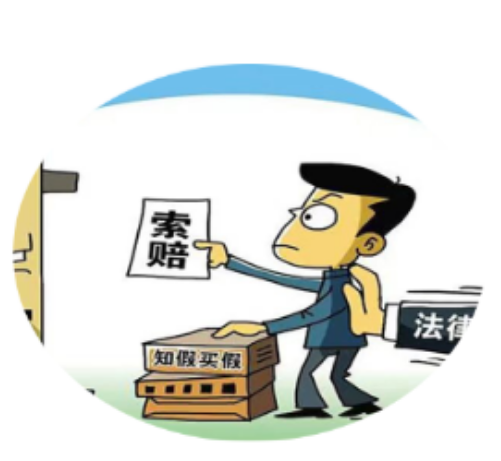
Under article 148 of the food safety act, consumers who have suffered damage to food that does not meet food safety standards may seek compensation from the operator or from the producer. The producer who receives a consumer compensation claim shall be subject to the primary liability regime, which shall be paid first and without prejudication; if it is the producer's responsibility, the operator shall be entitled to recover from the producer after compensation; if it is the operator's liability, the producer shall be entitled to recover from the operator after compensation。