The cold, wet climate of celery is semi-cool-resistant vegetables; it is not hot. Dry can withstand temperatures below zero degrees in the short term. The minimum temperature of seed sprouts is 4 °c, the maximum temperature is 15 ~ 20 °c, 15 °c is delayed, 30 °c and above are almost non-sprawned, the seedlings are resistant to temperatures of 5 ~ 7 °c, are green spring plants, and the seedlings of 3 to 4 leaves pass the springing phase for 10 to 30 days at 2 °c. Serpents are less resistant to cold and the seedlings are less resistant to frost, with a temperature of 12-13°c to complete springization。
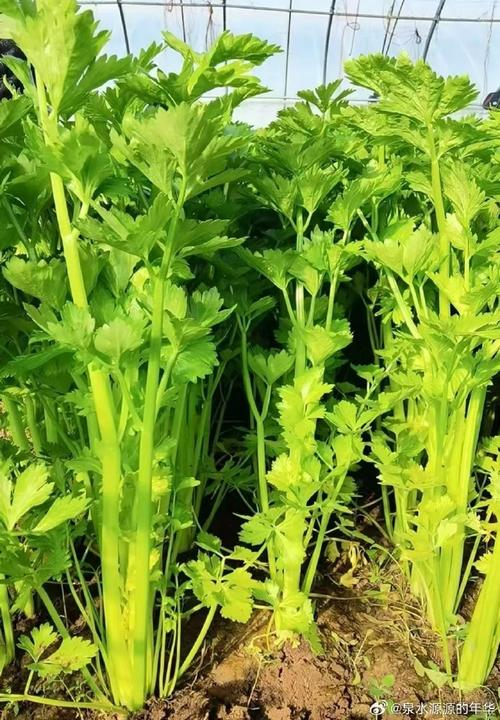
The seed of celery is small, the buds are weak, the seed is slow. Land sown at high temperatures, soil slabs, and water accumulated within the platinum are not favourable to seedlings, and seeds are easily sprouts with light. The seedlings of celery are slow to grow, have a long duration, are vulnerable to weeds and are managed better。
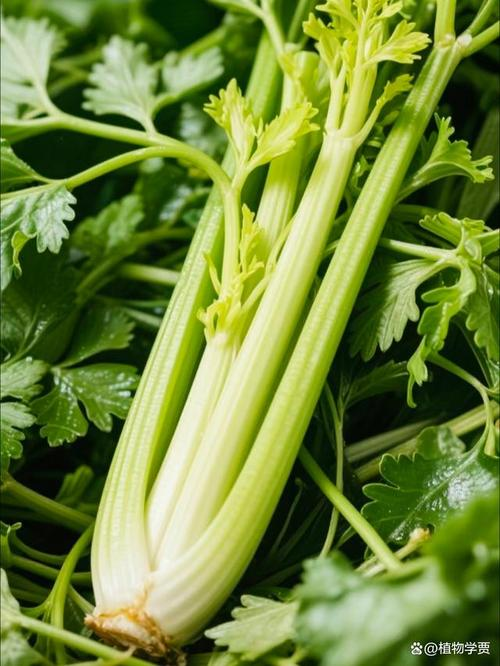
1. Cultivation season: celery is grown in the northern part of china, with the longest climate suitable for celery in the autumn, and thus the largest yield, quality and area under cultivation. The celery can also be grown in a variety of protected areas and made available for the anniversary. In general, nursery plants are grown in spring from 1 to february in greenhouses, from late march to mid-april, from late may to july, from fall cultivation, from mid-june to early july, from mid-august to mid-september and from october to december. Most of the general protected areas were planted during the first half of july and the second half of august, and in the second half of september to november, they were planted in an improved sunshield or solar greenhouse, with harvests from january to march。
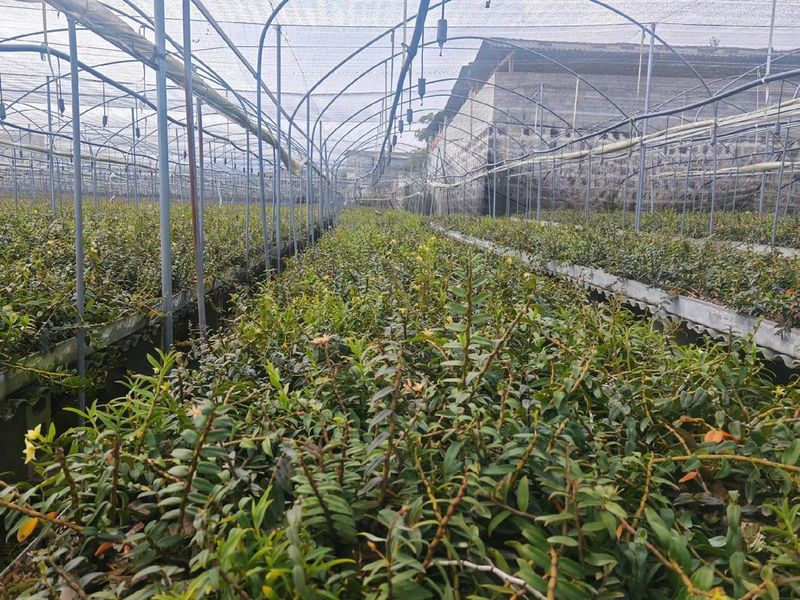
Seeding and management: celery is more difficult to produce, and should be selected as a breeding ground for the high ground, easy drainage, soil estration and fertile sandy soil. It is necessary to apply sufficiently decomposition and extra fertilize the soil. In order to achieve rapid, complete and complete seedlings, seedlings can be carried out for the first seven to eight days. In mid-june and late, seeds were soaked in cold water for 12 to 14°c for 12 to 24 hours, the seeds were washed clean, dryed in the air for a while, covered in wet towels, sprung in the cold (15-20°c) and washed with cold water once a day. Seeds can be sowed when seed sprouts sow, using wet sowing, i. E. First watering, then water permeating and then sowing. The saplings are covered with shades, cooling, sunproofing and stormproofing。
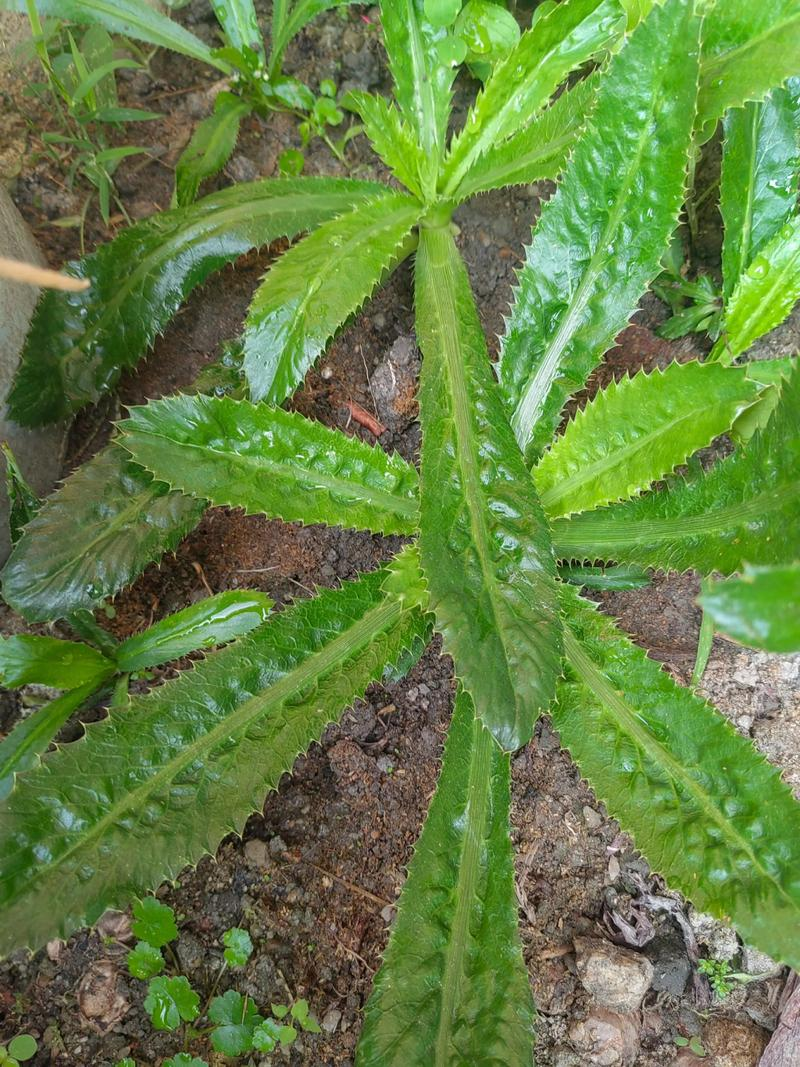
The soil must be even, and the seedlings must remain wet, so that a little water can be poured in the morning and at night between one and two days, until the seeding takes place, so that the spring and autumn seeding does not cover the shades, and so that small water is burned in order to produce the seedlings. To reduce weed hazards, 25% wettable weeding of 0. 75-1 kg/acre with water 80-100 kg can be applied before seeding. The seedlings are two leaves at once, 1 cm away. The seedlings, which range from 8 to 10 cm at 3 to 4 p. M., are to be cultivated in the middle, promote the separation of seedlings and leaves, pursue urea with 10 kg/acres and remove all the coverings for seedlings. When the seedling grows to five to seven, 15 to 18 cm, it can be established。