What's the point of corn crop management
The latest planting techniques in 2026. The old farmers are using combat techniques
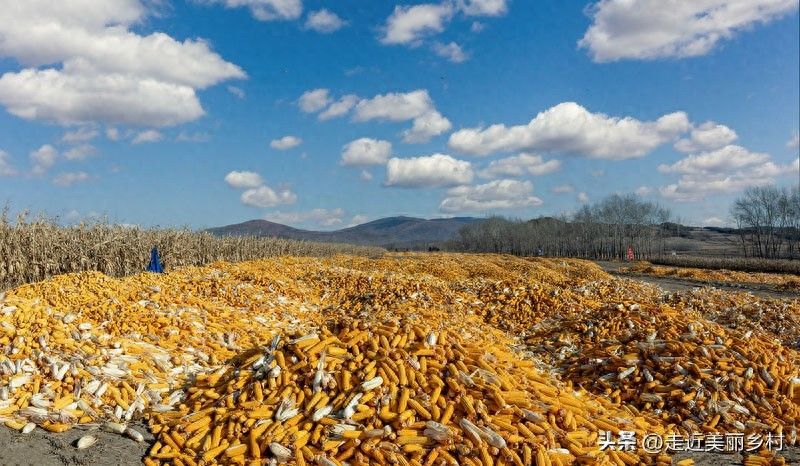
Corn field harvest scene
For decades, the corn is grown every year, but no production? Zhang grew five acres of corn last year, which was 800 pounds; li, next door, took the advice of the farm station, and the same five acres, which was up to 1,200 pounds dry. Where's the gap? To be honest, it's just a few key points. Today we're going to rip it apart, and we're going to make clear the five key points that determine production。
I. Choosing blends: good seeds are the first step towards high yield
Don't underestimate the selection of seeds, the selection of which is wrong and the subsequent effort is useless. This year, the agricultural and rural sector has been guided by the theme of "resistence, resistence and wideness" and, in the words of the word, the choice of hard, disease-resistant, machine-suited varieties. The seed machine collects plots and selects short-lived, medium-sized and fast-drink varieties; if garlic and vegetables are strewn early, they can sow spring corn and not a acre。
There are also hard indicators for seed quality: 98 per cent purity, 95 per cent sprouts, 98 per cent purity and 13 per cent water content. Seeds are bought cheaply and regular channels are recognized. Before seeding, it would be preferable to repackage or collage, using aphids and aphids, to protect against aphids and grey lice, with less care in the nursery period。
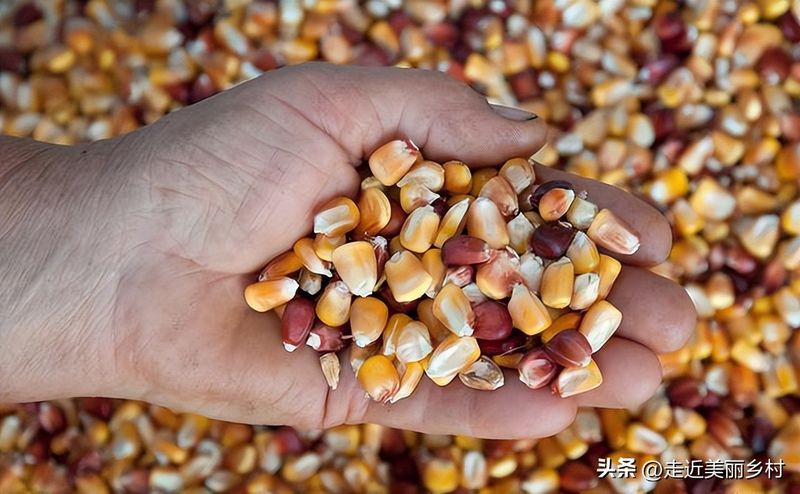
Corn seed selection
Ii. Enrichment fertilization: density and fertilizer need to be matched by science
A lot of old people think it's better to grow as thin as possible, but it's a mistake. The technique is being promoted, with 4,500 to 5,000 grains per acre in ordinary fields, up to 5,500 in high-yielding fields and up to 5,800 to 6,000 in closed fields. Of course, secret planting is not blind, but depends on the characteristics of the species, soil fertility. The dense plots recommend drip irrigation, water fertilizer integration and productivity savings。
It's also crucial. One-time fertilisation plots, with formula or slow decomposition, n:p2o5:k2o ratio of 28:6:12 or 26:8:8, ordinary plots of 40 to 45 kg/acre, high-yield plots of 45 to 55 kg/acre. Remember, the fertilizers are 10 to 15 centimetres outside the line, 10 to 15 centimetres deep, and don't burn the seeds. Also, don't forget, with an acre area of 1-2 kg, zinc corn is prone to albinism。
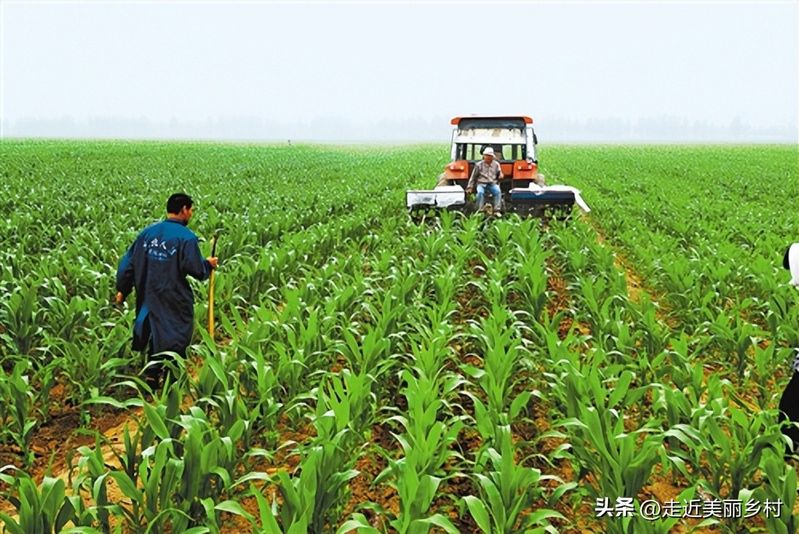
Corn intensive cultivation
Insect control: three critical periods that cannot be relaxed
The word "early" for corn pest control. In the period between the ages of eight and eight, the focus is on adhesive pests, maize distress, cotton bellworms; in the period between the mouth of the loud horn (10-12 leaves) and the smoking of males, grassland night moths, maize distress, small-scale diseases and rusty diseases are closely observed; and in the period of maturation, which is dominated by corn troubles, cotton bellies, sticky worms and aphids。
Corn difficulties during the loudspeaker period can be injected with granular agents, with adhesives, cotton beetles sprayed with meth salts or vinyl beamide. There is a trick: insecticides combine with microbicides, plus potassium phosphate, urea, which is both insect-proof and disease-proof, as well as nutritional. Weeding is carried out during periods 3 to 5 and 2 to 4 of maize, and is sprayed in the morning and at night with tobacco sulfur and benzophorus。
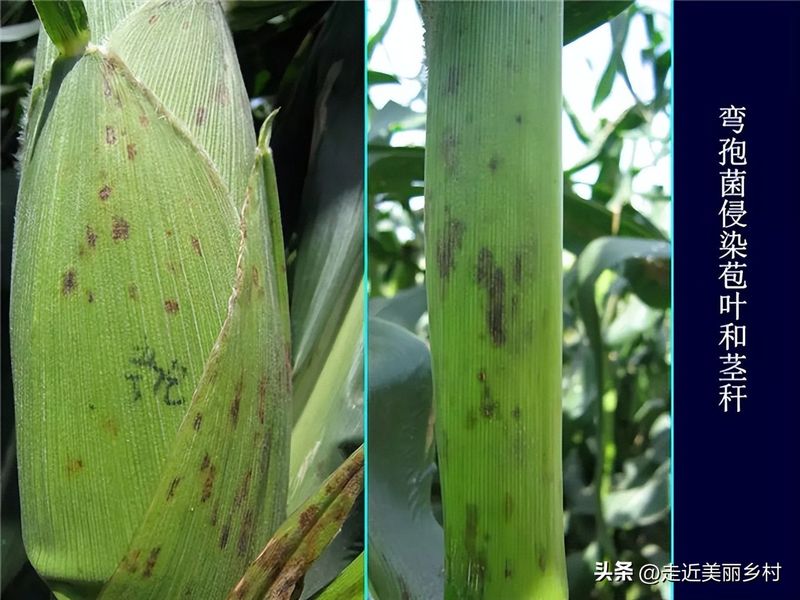
Corn pest control
Iv. Chemical control and control: the 6-8 leaf period is the key window
The growing maize is good, but the stench is too thin to fall, with at least 30 per cent of the falling production lost. Large, water-rich plots, which are controlled during six to eight spreading leaves, use condensants such as condensantin and accelerant to make the steroids smaller and more root. After five to seven days of chemical control, fattening is observed, the loudspeaker period, the pollinator period, and the masture period is then dripped and fertilized to ensure a continuous supply of nutrients。
V. Amortized harvest: 10% more in a week late
Many of the villages used to harvest corn as soon as it was ripe, but at that point seed grains were still sullied and could produce about 10 per cent more by the end of the week. The criteria for the determination are the disappearance of seed grains and the emergence of a black layer in the base, at which point the amount of water is reduced to less than 25 per cent, with the least mechanical loss. After harvesting, dry or dry in a timely manner, water is reduced to less than 14 per cent for storage, or is susceptible to deterioration。
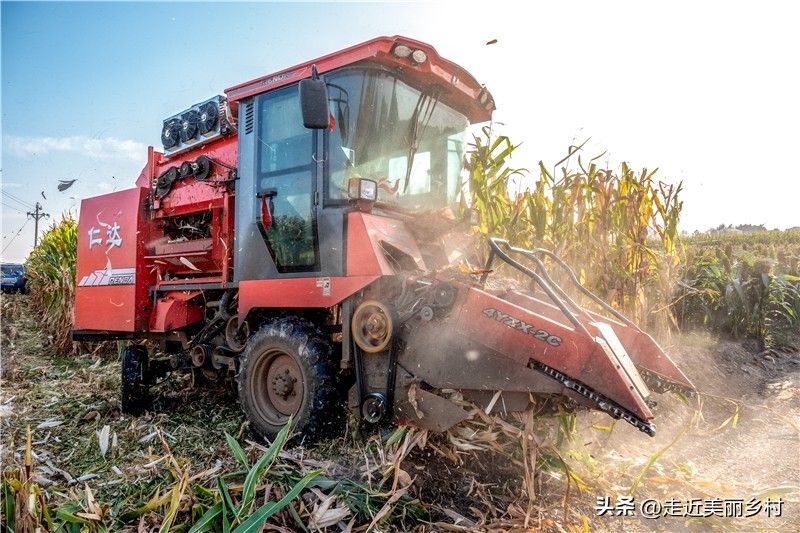
Corn machine closing
Let's wrap this up
High yields of maize, remember these five nodes: selection of seeds, intensive fertilisation, pest control, chemical control and fallout, and harvest. Every step of the way, it's not a dream. This year's climate is changing and extreme weather conditions are so great that you will have to prepare for drainage and flooding ahead of schedule, and the field canals will be pre-empted。
Next-period advance
Next issue, let's talk about the identification and prevention of common diseases in maize: how to prevent small and small-scale diseases, rusty diseases, and stasis. Now it's the critical time for maize to grow, and that's the knowledge that's needed. If you think it'll work, just put it together and then do it
– the content is for reference purposes only, and for specific plantings, please take into account local realities