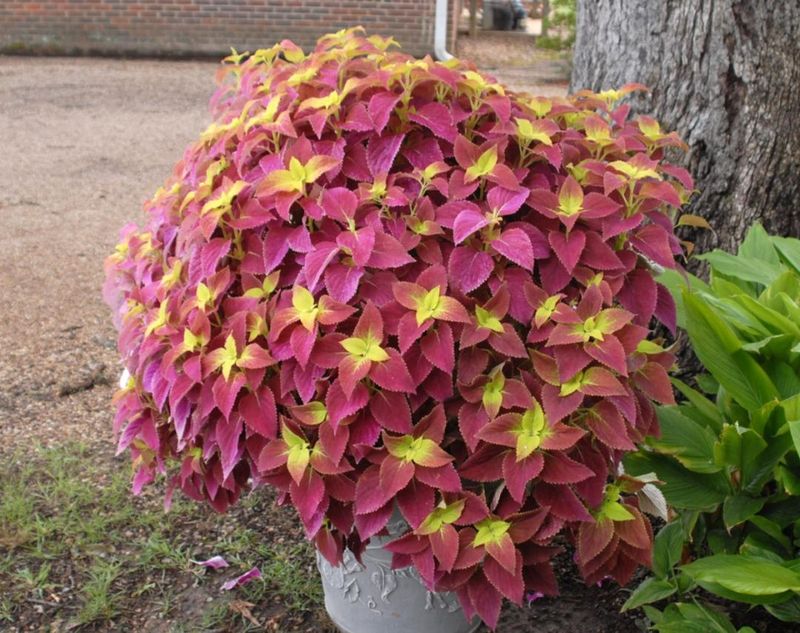
Autumn is also named autumn, bean, a 1-year-old or multi-year-old herbs plant. It's mainly ingested with nuts, and it's also edible for gusts, leaves, buds, etc. Acupuncture's young and tender meat, which contains adhesive substances such as fruit and glue, helps digestion, protects the stomach and liver, and has the effect of enhancing human stasis and renal failure, is an emerging health-care vegetable that is growing year by year. The roots of the autumn are straight roots, the main roots are more developed; the roots are wooded and resistant to drought and flooding. On the eve of the rainy season, the region of zhengzhou, from 6 to august, is at the peak of the open-earth harvest。
I. Preparations for the rainy season
One, you should be careful to drain, dig up the drains and prevent the dead. Weeding work, which usually involves a large number of weeds in the field that are grown in the open, should be given priority, preventing the occurrence of water accumulation by weeds, which is, of course, the basis for the preparation of drains. The drainage canals must have slopes, so that when heavy and heavy rains occur, the drainage works well, and before weeding is done, the drainage can go smoothly。
2. To combine farming, ditching, etc. Root-breeding soil, stretching out of the ligen system, growing the plant
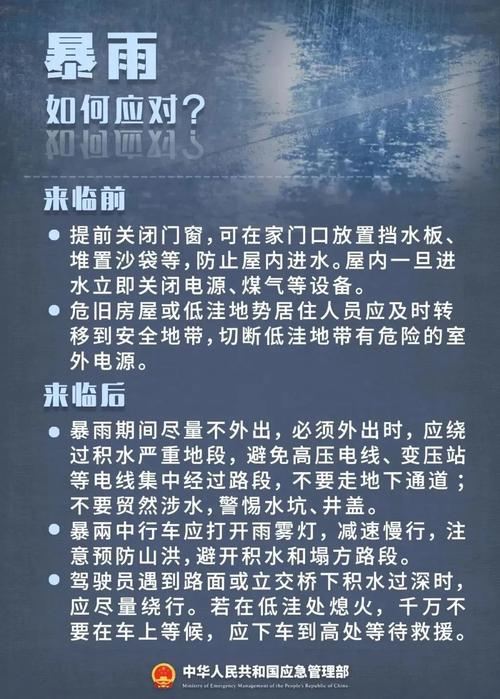
Grow well and prevent a fall. When the autumn enters the sprout season and leaves are grown more rapidly, the old and the left leaves should be removed in time for the ventilation. Autumn roots are solid and generally do not have problems of inversion, but after summer, heavy rains and risks of inversion and breakage should be tied to the main pole by stick or pole to prevent loss。
Measures taken after the rainy season
1. Elimination of water accumulation in a timely manner and cultivation of pine soil. It's a lot easier to get ahold of the less affected areas
The field drains the ditches, removes the water and removes the silt from the field. After the soil has dried up, it is expected that the pine soil will be cultivated in a timely manner, the physical nature of the soil will be improved, the soil sheeting will be prevented, the soil will be ventilated and water permeable will be improved, the roots will be promoted and growth will be restored as soon as possible。
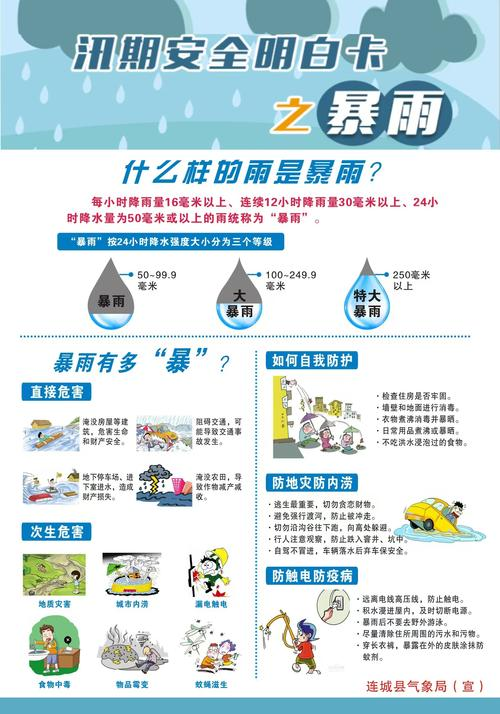
Strengthen field management and promote high-yield production. After the rain, you'll have to help with the fall-off
Plantation, reinforcement of poles, removal of residual fruit, removal of silt adhesived to the leaves, enhancement of light co-operation and, where appropriate, cultivation of soil and improvement of the resistance. There is also a need to catch up on time because of the severe loss of fertilizer in the field following heavy rains, combined with the reduced energy of the vegetable roots following flooding and the reduced capacity to absorb fattening; it is recommended that after the water is drained, a small number of applications of raw fertilizers, such as amino acids, curated acids or crustaceans, be applied repeatedly, flushing or rooting. At the same time, there is a need to increase the use of organic fertilizers, bacterial fertilizers, and to focus on the application of moderate trace elements, so that not only is nutrients comprehensive, but the amount of soil-friendly bacteria is increased and the damage caused by flooding of roots is mitigated. In general, urea is followed by urea 5-10 kg and calcium perphosphate 10-15 kg, which combines leaf-faced fertilizer; folic surfaces can be sprayed with 0. 3%-05% potassium phosphate and 0. 3% urea and mossaic intermingled solution, 7-10 days apart, 1 and 2-3 times in a row, to promote replanting, enhance folic light co-operation, increase yields and prevent early plant decay。
3. Pest control. High temperatures and humidity after rain are two conditions that limit the normal growth of vegetables
Factors, which can easily lead to the presence of a vegetable. Roots, protégées, and so on, have created favourable conditions for the infestation and occurrence of pests and pests, using some of the hormonals and leaf fats used in vegetables to increase their strength and resistance. The most commonly used is the spraying of ethome and some of the folates (calcium amino acid, potassium phosphate). Following the rains, care is taken to drain the field, till it in time, so that the inundated roots absorb oxygen and prevent anaerobic breathing from producing harmful substances. For the prevention of autumn or foliage diseases, 50 per cent of the polymixable humid powder is used in the early stages of the disease, 500 to 600 times the fluid spray is treated 2 to 3 times. The treatment of viral diseases is based on a 100-fold treatment of water emulsifiable agent (83 antigens) of 20 per cent hydrochloric acid, 7 d and 2-3 in a series, using 500 times the copper wettable powder or 0. 5 per cent glucose (antitoxic agent 1)。
4. Reclamation. A storm comes early on for ripe or soon to ripe
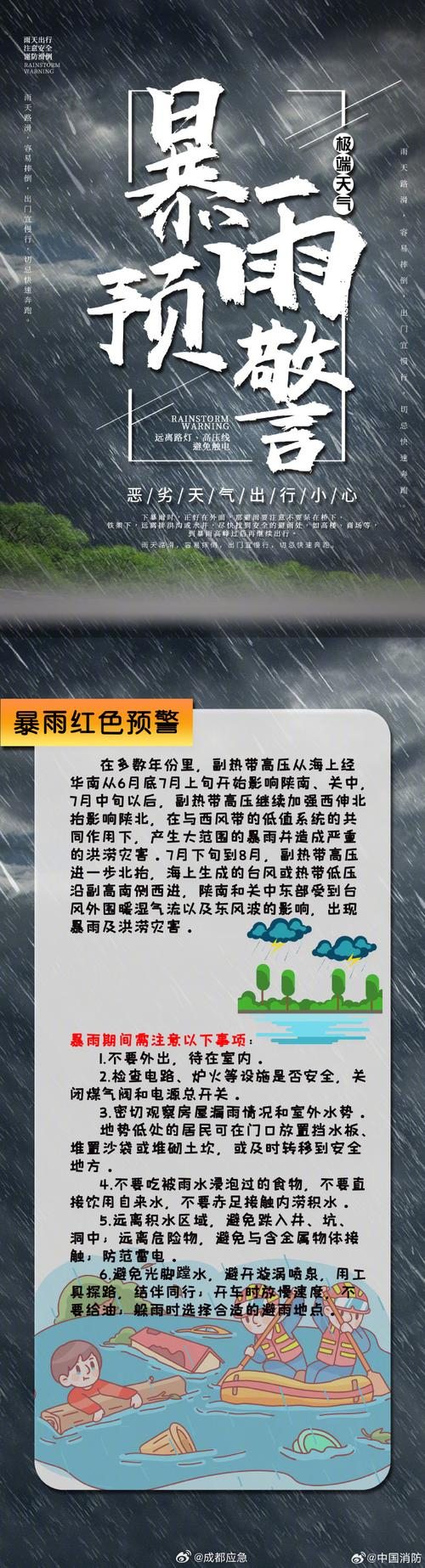
Collect, put on the market for sale, thereby reducing losses. Early replanting or replanting of destroyed harvests should be carried out as early as possible to arrange crop production。
(1) ground vegetables. Leafed vegetables such as cabbage, cabbage, celery, barley, tarp, fragrance, and curda, as well as vegetables such as cucumbers, cucumbers and carrots, are available live. Vegetables such as vegetable flowers and kale can also be established。
(2) in large parts of henan province, the sheds of tomatoes, eggplants and peppers that follow the fall can be planted in early august, cucumbers can be planted in mid-august or live in early august, cucumbers can be planted live in mid-august or late august; and the sun's greenhouse can be planted in late august and late september. These require early breeding and seeding at nursery grounds, with eggplants generally aged 25 to 35 days and cucumbers and western saplings aged 20 to 25 days。
Chenman