Xiaowoo, zhengzhou integrated test station, national system of technology for the specialized vegetable industry, institute of horticulture, agricultural sciences, henan province
Land selection
Paprika is not high in soil quality and can be cultivated in all types of soil, but it is not suitable for cultivation in saline and low-lying areas, which are stymied and afraid of rooting. Soils with deep, fertile, organic and permeable soil may be chosen, preferably “live land” under good drainage conditions. Co-planting leads to excessive nutrient consumption in the soil, large amounts of harmful fungus and eggs, leading to reduced crop yields to varying degrees. The plots that have grown the eggplant crop should preferably grow peppers four to five years apart。
Fertilizer
Pre-planting is preceded by deep tillage and bottom fertilization. Deep tillage with a depth of 20-25 cm requires a fine levelling of the soil. High-quality farmers who are fully decomposed per acre, 2500 kg of fertilizer, 50 kg of compound weight of three dollars or 30 kg of calcium per phosphate and 20 kg of potassium sulfate. The use of biobacterium fertilizers, which are conditionally recommended, can fundamentally improve the soil environment and effectively prevent the death of a paprika tree, such as the active em, yeast fertilizer, etc. In combination with whole-field fertilization, 3% of the octhion granular agent 2-3 kg per acre was distributed to combat underground pests. By 70 cm in length and 45 - 50 cm in length in length, the line starts and is 15 - 20 cm in height。
Plantation
When setting up the paprika, it depends on the sky, the earth and the love. In view of the current high-temperature season, the choice should be made to move in the dark or in the clear evening. Seeing, i. E., soil saturation, soil quality, if the soil is dry, should be watered and then transplanted. Look at the sapling, go to the weak and grow according to its height。
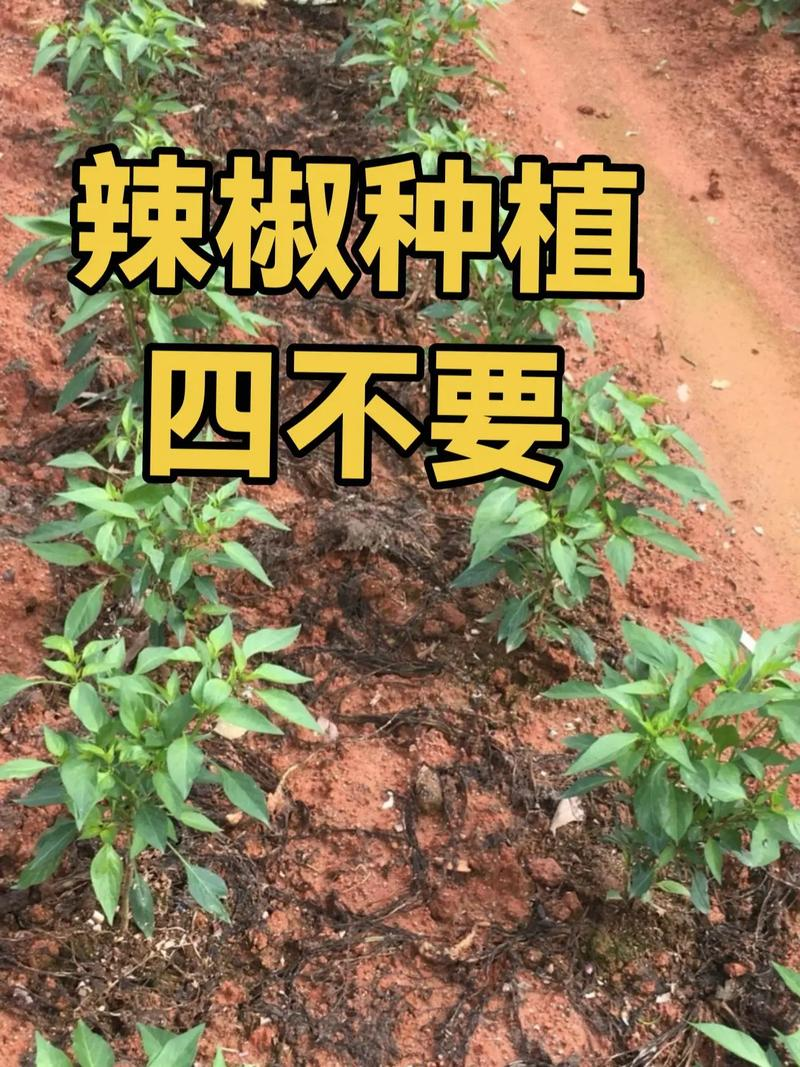
Herbicides are sprayed in the fields prior to planting, with 33 per cent of the acre field-based emulsifiable concentrate (selective herbicides, which can treat a variety of one-year weeds, with an effective period of up to 45-65 days) 150 ml and 50 per cent of dichloride wettable powder (selective soil treatment, which can cause death before the weed graze), 120 g, 50 kg of water, and spraying. The depth of planting is generally based on the growth depth of the seedland, which is better when it is removed than when the leaves are buried. Water (recommended drip irrigation) is provided immediately after planting to ensure survival. The plots that have been affected by the disease and stasis cannot be planted deep enough to spray a fungicide on peppers after two days。
Fertilizer management
Sit tight, and water is used to boost the growth of the fruit; the weak seedlings can remove the "paperto" (a pair of peppers attached to the first branch) and thereby promote the growth of the plant. “four fights” (four peppers attached to a second-stage branch) are followed by 30 kilograms of compound fat for three elements per acre, followed by 20-30 kilograms of compound fat every 15 days, during which time the field must be “dry and wet” (water pouring up and then watering twice). In late november, the “founding planet” (the fruit of a branch of more than three stages) was largely established and should be reduced in humidity and prevented from occurring。
Temperature management
In late september, the sunscreen was removed when the weather cooled. At this point, it is the “eight-faced wind” sitting season, where the temperature should be maintained at 20°c ~ 30°c during the day and above 12°c at night, so as to prevent cold temperatures from affecting normal physical metabolism of peppers, but also ventilation should be observed when temperatures are high during the day. In late october, depending on temperature changes, small arch sheds should be attached to the sheds and straw curtains should be built in mid-november. Throughout november, the curtains should be removed in a timely manner, making full use of the light-hot resources to ensure the normal development of the star. Late in november, the “full star” grew largely, with the external weather becoming colder, a period dominated by temperature protection, which could reduce ventilation appropriately, and the straw curtains could be removed on one side a day to allow for partial dispersion. If the shed is very wet, it should be ventilated and wet. As temperatures decline, measures to protect them should be strengthened, with a thin film added to the straw curtains. After late november, temperature-preserving management efforts, whether in the dark, in the clear, in the rain or in the snow, were to be as bright as possible。
What do you care about changing vegetables
Every summer, the peak of vegetable exchange in the big sheds is an important measure for the eradication of harmful pathogens and eggs in the soil. In order to ensure the effectiveness of the high-temperature sheds, it is recommended that attention be given to the following issues。
Clean sheds, hot and dry
Once the vegetables have been cut off, it is important to clean up the shed completely and leave no dead leaves。
It is followed by high-temperature dormitories (the selection of suitable agents based on the severity of the endemic disease) and smoke agents to kill the remaining pathogens and pests of the crop, especially for the forced-to-exit shacks. When you're in a hot and tiring room, be careful to get some air。
Sufficient and detailed bottom fat management
After suffocation, the required fertilizer is applied to the soil, and the base fertilizer is increased by the application of well-established organic and biobacterium fertilizers. The tiller is then used to carry out a deep tillage to break the plough bottoms, increase the thickness of the cropping layer, promote deep rooting of vegetables and increase the resilience of plants。
Growing up to avoid growing up
High summer temperatures are not conducive to the growth of seedlings and their subsequent planting, which should be facilitated by measures such as improved ventilation and small water-handling. After slowing the seedlings, as much as possible, keep the plants strong, avoid the growth of the seedlings, and promote flowering and normal outcomes. (lu tianying)
What's the reason we don't have mushrooms
It's too late to make the fungus
The production of bacters began only after march, so that they did not meet the age requirements for mushrooms. Under normal circumstances, summer-planted mushrooms are suitable for the production of fungi by the end of march at the latest, so that the mushrooms can normally be produced by july. Method of prevention: waiting for the fungus to reach the age of the fungus before the temperature and dry and wet differential stimulates the mushrooms; in the next year of production, the rods are to be produced earlier to prevent similar problems。
Inadequate management of the fungi process
Inappropriate management in the course of the fungi is associated with a severe high-temperature encircling phenomenon, resulting in the necrosis of the fungic cord and an abnormal chromosomal chromosomal change, which delayed the appearance of mushrooms due to their poor quality. Methods of prevention and control: as soon as possible, strengthen the chromosome management of mycinosis, provide appropriate humidity, help mesh to change properly, stimulate mushrooms by means of temperature differentials, dry wet differentials, etc., and control the temperature at the site of the fungi during the next year of production to keep it within normal temperature requirements。
Day and night temperature difference of less than 10°c
Summer rains are more frequent, and if the temperature varies by less than 10°c, it affects mushrooms. Prevention and treatment: mushrooms must be stimulated by temperature differentials above 10°c. As a result, day and night temperature differentials can be increased by increasing the temperature appropriately in the shed during the daytime and by cooling the temperature by spraying at night, bringing the temperature differential to more than 10°c and stimulating mushrooms to mushrooms. Liu qiang