Incident scenarios
In the course of their journey, motor vehicles suffered accidents such as crashes, landings and collisions, causing loss of life or property。
Relief measures
Vehicle overturns
1. Foot pedals flip along the vehicle. When the driver feels that the vehicle will inevitably be pushed over, he will press the wheel and his feet will be tied to the pedals, so that his body will be fixed and turned around。
2. If the vehicle turns sideways on a ditch, on the edge of the cliff, the person close to the ditch, outside the cliff, shall first get out of the car and leave from the outside in a row. Otherwise, the vehicle will continue to roll down as its centre of gravity deviates。
3. If a vehicle rolls into a deep ditch, all personnel shall promptly lay down on the seat, grab the stationary parts of the vehicle and place the body in the chair, stabilize the body and avoid rolling and injuring the body。
When you jump, you shall jump in the opposite direction of the vehicle in order to avoid being squeezed by the body when you jump. When it is felt that it will be thrown out of the car, it should be forced out of the car at a moment when it is thrown out of the car, with both legs stomping and increasing the force to throw out, in order to increase the distance from the hazardous area. When landing, hands should roll in the direction of inertia or run a distance to avoid secondary injuries。
Vehicle landing
1. If the water is shallow and the whole vehicle is not flooded, efforts should be made to leave the vehicle from a safe location after it has stabilized。
2. If the water surface inside and outside the car is approximately equal, the car shall, when there is space in the car, push the door or glass promptly and vigorously while taking a deep breath to surface in time。
3. When water is deep, do not rush to open doors and windows. At this point, the oxygen in the car can last between 5 and 10 minutes for drivers and passengers, and the head of children, the elderly and women should be kept above water。
4. If they fall into the water, they shall use, as far as possible, a rectangular position, with a straightness of body and a rear of head, so that the mouth, nose or nose may be exposed and breathe. In the case of a bus or a vehicle carrying children, it is possible to hold hands, form a human chain, flee the car and surface。
Vehicle collisions
1. The legs shall be as straight as possible, with two feet on the ground, with two arms to the chest, with hands to the head and with the back of the body. Add security engineer sites to the collection
When face-to-face collisions occur, if the main location of the collision is not on the driver's side, the driver shall hold the steering wheel tightly, stretch his legs forward, recline and lean behind his body, and if the main position of the collision is close to the driver's seat or the impact is greater, the driver shall avoid the steering wheel and lift his feet so as to avoid injury as a result of pressure。
3. If the injured person is squeezed into an accident vehicle, the helper is not forced to drag or drag, and the vehicle is pulled or cut open with machinery; the vehicle presses the wounded, does not move the vehicle easily, applies a top lift tool (such as a jack) or activates the crowd to lift the vehicle and save the wounded. When the wounded are rescued, they are taken to hospital as quickly as necessary and reasonably necessary。
Public transport accidents
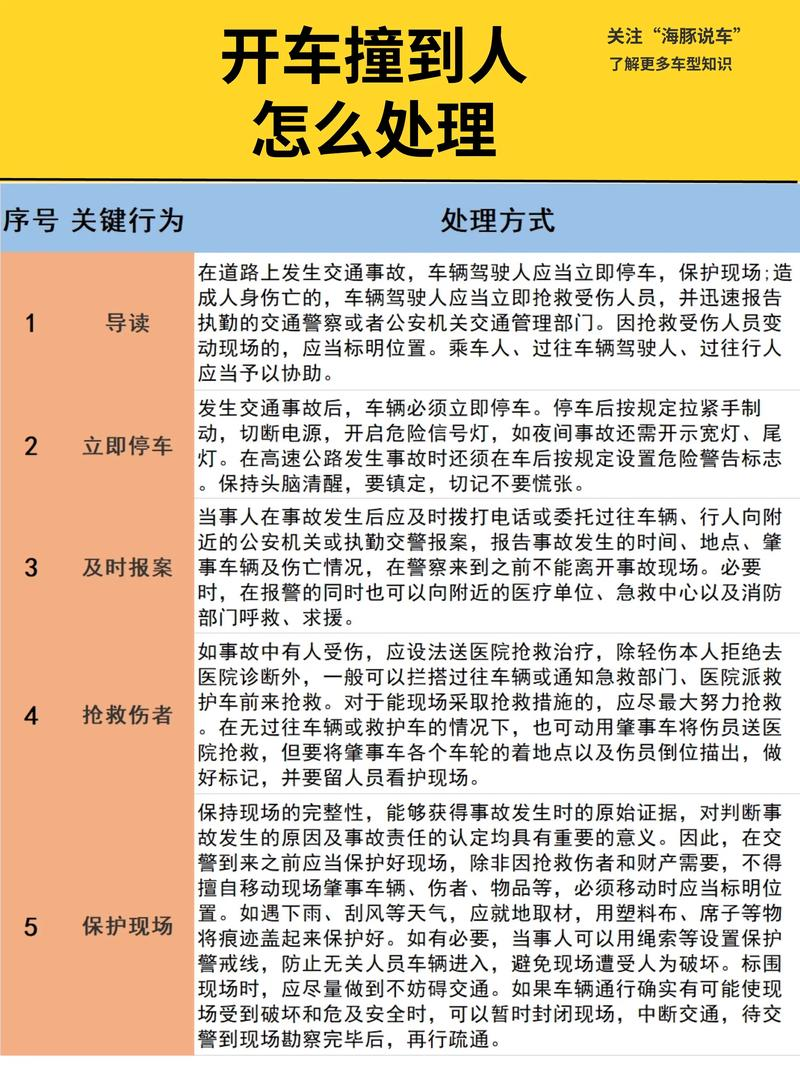
1. In the event of a bus impact, the passengers shall hold the arm and the back of the chair tight, while their legs scrambling forward。
2. In the event of an accident, the head shall be held quickly and condensed into a spherical form to mitigate the impact on the head and chest。
Hazardous chemical vehicle traffic accidents
1. Call the police promptly at 110 or 122. The alarm should first inform the accident vehicle of the name and weight of the dangerous chemical articles, whether there was a leak, and carefully answer the questions of the police officer。
2. In the event of a release of dangerous chemicals, the drivers and escorts should immediately evacuate the population before the arrival of specialized rescue personnel, such as traffic police, security guards and environmentalists, to bring the population to a safe zone in the upper winds and to map out areas of alert and evacuate the crowd。
3. Subject to conditions, the source of the hazard shall be promptly controlled and the adverse effects of the hazard shall be reduced by means of containment, isolation and washing。
Expert tip
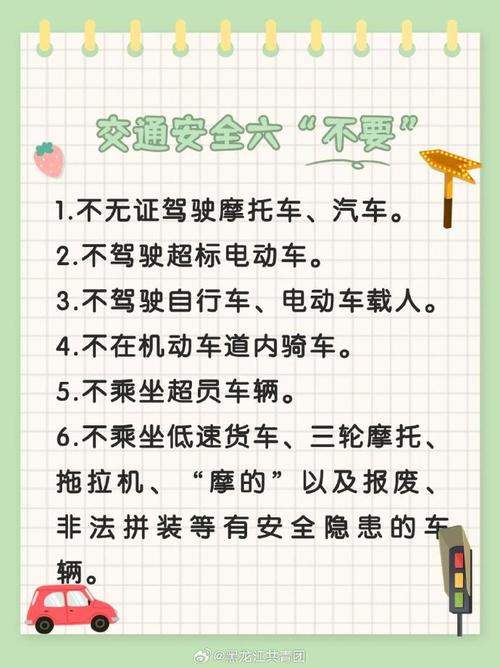
1. No flammable, explosive or dangerous articles shall be carried in any bus。
2. Refrain from travelling in illegally operated vehicles, overmanned vehicles, sick vehicles, undocumented vehicles and other illegal vehicles
3. When travelling on a bus with a long distance or in a sleeper, the location and method of use of the emergency escape gate shall be known before the vehicle opens。
4. When dangerous driving behaviour, such as fatigue, speeding, overloading or driving with alcohol, is detected during the journey, it shall be noted and stopped in a timely manner and, if necessary, call 122 to the police。
5. Before driving, a thorough examination of the condition of the car. When driving long distances, a thorough examination of the route and recent weather changes is also required, along with some commonly used medicines
When driving, the driver or passenger in the co-pilot seat must be fastened; when leaving town or on the highway, the rear passenger must be fastened。
7. In the event of an accident or accident in a vehicle on its way to or from a car, call the police at 122. In case of loss of life or injury, call 120 in time, or request a passing vehicle driver or pedestrian to call. If the above occurs on the freeway, the driver and the passenger are to leave the vehicle promptly and, to the extent possible, place a warning sign at a safe distance from the scene of the accident and then evacuate to the freeway to avoid a second incident。