Regulation of intellectual property protection in higher schools
Chapter i general provisions
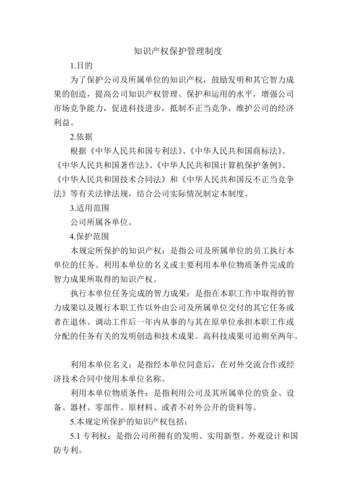
In order to effectively protect intellectual property rights in institutions of higher learning, the teaching staff and students are encouraged to create creativity and intellectual creativity, to take advantage of the intellectual advantages of institutions of higher learning and to promote the industrialization of scientific and technological achievements, in accordance with national intellectual property laws and regulations。
Article 2 this provision applies to institutions of higher education, scientific research institutions and enterprises under the auspices of the state. Higher schools and other educational institutions organized by the social forces shall be guided by this provision。
The intellectual property rights referred to in this provision include:
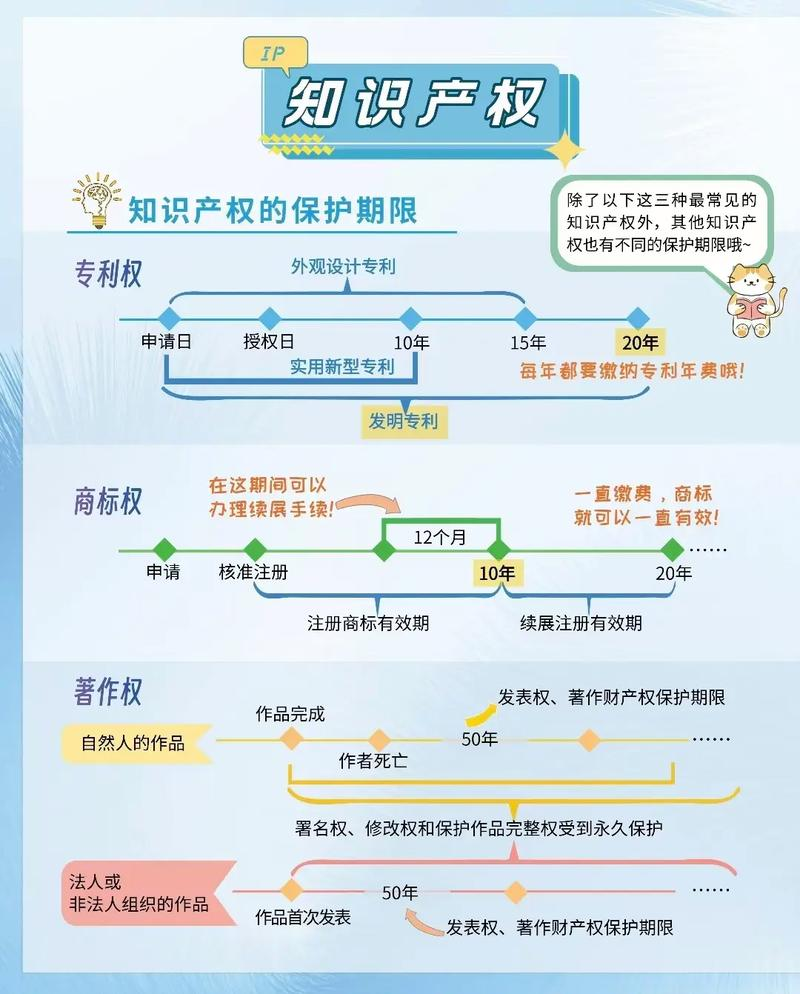
(i) patent rights, trademark rights
(ii) technical and commercial secrets
(iii) copyright and neighbouring rights
(iv) the boarding of higher schools and service signs
(v) other intellectual property rights that are owned or held by institutions of higher education in accordance with national laws or regulations or as contracted by law。
Chapter ii mandate and responsibilities
Article 4. The tasks of intellectual property protection in higher education are:
(i) implementing national intellectual property laws and regulations and developing guidelines, policies and plans for the protection of intellectual property in higher education
(ii) promotion and dissemination of legal knowledge of intellectual property and enhancement of awareness and capacity for the protection of intellectual property rights in institutions of higher learning
(iii) further improvement of the intellectual property regime in higher schools and effective strengthening of their intellectual property protection
(iv) actively promote and regulate the development, use, transfer and development of science and technology and other intellectual achievements of higher education institutions。
Article 5 - the education administration of the state council and the education administration of the people's governments of the provinces, autonomous regions and municipalities directly under the central government, within the limits of their competence, are responsible for the leadership and macro-management of intellectual property rights in higher education institutions, whether national or local, and for the overall planning, promotion, direction and supervision of intellectual property protection in higher education institutions。
The functions of higher education institutions in the protection of intellectual property rights are:
(i) specific planning and protection provisions for intellectual property work, taking into account the realities of the school
(ii) strengthening the organization and leadership of intellectual property protection, improving the system of intellectual property protection in the school and strengthening the institution and workforce of the institution
(iii) organizing education and training on intellectual property laws and regulations, teaching and research on intellectual property curricula
(iv) organizing the identification, application, registration, registration, evaluation and administration of the intellectual property rights of the school
(v) organization of contracts for the development, use and transfer of intellectual property of the school
(vi) coordinated settlement of disputes and disputes concerning intellectual property within the school
(vii) incentives for prominent contributors to science and technology development, technology transfer and intellectual property protection
(viii) organizing international exchanges and cooperation on intellectual property protection at the university
(ix) other duties to be performed in the context of intellectual property protection。
Chapter iii
Article 7. Higher education institutions shall have exclusive rights under the law to:
(i) trademarks registered in the name of higher schools
(ii) validation of the mark
(iii) other service signs for higher schools。
Article 8. The performance of the tasks of the school and its establishments, or the creation of inventions or other technological achievements, carried out primarily by means of the material and technical conditions of the school and its establishments, is the result of the creation of jobs in higher education or of the technological production of jobs. The right to patent job inventions belongs to higher education institutions. Patents are granted by law and held by higher schools. The right to use and transfer the technical results of jobs is vested in higher education institutions。
Article 9 works which are sponsored by, represent the will of, and are the responsibility of, institutions of higher education are work by legal persons of higher education institutions, whose copyright is enjoyed by them. The creation of works for the purpose of fulfilling the tasks of the higher education institutions is the work of the office, with the exception of the cases provided for in article 10. Higher education institutions have preferential access to their work within the scope of their activities. The author may not permit a third person to use the work in the same manner as the higher school, without the consent of the higher school, within two years of the completion of the work。
Article 10 is primarily based on the material and technical conditions of higher education institutions, and works such as engineering designs, product design drawings, computer software, maps, etc., which are the responsibility of higher education institutions, as well as works of which the law, administrative regulations or contractual agreements provide for the right to work, the right to sign and the other rights of copyright are enjoyed by higher education institutions。
Article 11: the technical secrets of information, information, procedures, etc., developed in the course of carrying out tasks such as scientific research in higher schools are owned by the higher education institutions。
Article 12: the higher education institute shall send persons who visit, study abroad, study abroad and study cooperative projects to carry out their own research, while the intellectual property rights acquired by potential inventions abroad shall be subject to an agreement with the sending higher education institute to determine the attribution of their inventions and other intellectual property rights。
Article 13 students and researchers studying at higher educational institutions, continuing education or cooperative project studies who, while in school, take part in the subjects of their own studies undertaken by their mentors or in the tasks performed by the school shall, unless otherwise agreed, be entitled to or held by the higher educational institutions. Persons entering a post-doctoral mobile station shall sign a special agreement with the mobile station on intellectual property before entering the station。
Article 14. Persons who leave, retire, leave without pay, leave and be dismissed from higher education shall enjoy or hold in higher education the inventions or technological achievements that they have made within one year of their absence in connection with their original duties or tasks。
Article 15: the right to sign technical documents and works, and to receive incentives and remuneration, in accordance with the law。
Chapter iv intellectual property rights authorities
Article 16. Higher education institutions shall establish a system of intellectual property office conferences and progressively establish institutions for the sound functioning of intellectual property. A system of intellectual property registration may be introduced in qualified institutions of higher education; an institution for the protection and regulation of intellectual property may be set up to regulate the protection of intellectual property in its own unit. For the time being, institutions of higher education for intellectual property protection and administration have not been established, and they should assign responsibility to the scientific research and other institutions。
Article 17 - the higher education institute's scientific research management bodies are responsible for the development, results and management of its research projects. The subject group or subject researcher of the application technology project shall conduct a search of the patented literature and its related literature before applying for a project. In the course of their scientific work, subject groups or subject researchers should keep records and keep records of technical information. Upon completion of the stock of scientific research, the subject person shall compile all the original technical information, such as laboratory reports, laboratory records, drawings, audio images, manuscripts, etc., and file it with the institute's scientific research administration。
Article 18: in the event of the creation of a job or the creation of a technical skill in the field of scientific research, the subject-matter manager shall apply for a patent and submit the relevant information in a timely manner to the authority responsible for the administration of the scientific research of the school. The research authorities of higher education institutions should review the recommendations and relevant information of the subject persons, should apply for a patent in a timely manner and take measures to protect the technical secrets that are not suitable for patent applications。
Article 19 higher education institutions should regulate and strengthen the contracting, auditing and administration of intellectual property rights. Higher education institutions and their establishments, in cooperation with domestic and foreign institutions or individuals, carry out scientific research and technological development, transfer or licensing of intellectual property rights abroad, shall conclude written contracts, in accordance with the law, specifying the attribution of intellectual property rights and the corresponding rights and obligations. The intellectual property administration of the higher educational institutions is responsible for the review and administration of intellectual property contracts entered into by the higher educational institutions and their establishments。
Article 20. Before transferring or licensing intellectual property to a higher education institution, the institution must be reviewed by the institution's intellectual property authority and submitted to the school for approval。
Article 21. Any employee or student of a higher education institution who applies for a non-title patent to register an off-duty computer software, as well as to carry out an off-post patent, the results of a non-post technology and the transfer and licensing of an off-post work, shall make a declaration to the institution administering the intellectual property of the school and be subject to review. If the conditions for non-service are met, the school shall issue the corresponding certificate。
Article 22: higher education institutions shall strengthen the regulation of scientific and technical confidentiality. In the course of academic exchanges and cooperation at home and abroad, the teaching staff and students of institutions of higher education shall maintain strict confidentiality with regard to information and technology that are confidential to the institution, in accordance with the relevant provisions of the state and the institution concerned. Higher education programmes for projects at national and international science and technology fairs should strengthen the auditing and management of science and technology confidentiality。
Article 23: institutions of higher learning should give priority to the conduct of intellectual property asset assessments and strengthen the organization and management of intellectual property asset assessments. Higher education institutions that transfer, license, invest or invest in intellectual property abroad, or as inputs to their scientific and technological industries, should conduct an asset assessment of intellectual property rights。
Article 24 the higher education institute may gradually introduce, as appropriate, a system of guarantees of intellectual property rights and enter into a letter of guarantee for the protection of the intellectual property rights of the academy with the relevant teaching staff and students, specifying the obligation to protect the intellectual property rights of the academy。
Chapter v: awards and support
The higher education institute shall, in accordance with the law, protect the legitimate rights and interests of persons who invent jobs, the technological results of jobs, the research of works of legal persons and works of jobs in institutions of higher education, and those who make a significant contribution to the creation and development of intellectual property rights and to the industrialization of scientific and technological results。
Article 26: higher education institutions shall draw no less than 20 per cent of the net income from the transfer or licence of their intellectual property or the creation of their job, the transfer of the results of the job technology to or for the use of others, and shall award incentives to persons who have made an important contribution to the creation of the job, the technological results of the job and its transformation. In order to promote the industrialization of scientific and technological achievements, an award of not less than 30 per cent of the conversion income is awarded to those who, with the permission of the school, undertake the industrialization of job inventions and technological achievements。
Article 27: after the successful transformation of scientific and technological results from independent research and development or from cooperation with other institutions, institutions of higher education shall, for a period of three to five years, draw no less than 5 per cent of the income derived from the implementation of the scientific and technological results and reward those who have made an important contribution to the achievement of the scientific and technological results and their industrialization. In the case of scientific and technological enterprises in higher education, which are in the form of joint-stock enterprises, or higher-education schools, which invest mainly in other joint-stock enterprises by technology, the remuneration or incentive of persons who have made a significant contribution to the research and development, industrialization and development of scientific and technological results may be converted to the corresponding share or contribution in accordance with the relevant provisions of the state. The shareholders share in the proceeds on the basis of their share in the shares or proportion of the contributions。
Article 28. Higher education institutions shall take effective measures to provide the necessary safeguards for the protection and administration of intellectual property rights, in accordance with the circumstances of the case. Institutions of higher education should allocate funds or draw a percentage of the proceeds of technology implementation and establish a special intellectual property fund to support subsidized patent applications, maintenance and related costs of intellectual property protection. Institutions and individuals that make a prominent contribution to the protection and management of intellectual property rights should be rewarded by institutions of higher education and serve as important reference for job performance and job titles。