


Xxxxx university approach to intellectual property management
University of xx (2021) number 61
Chapter i general provisions
Article 1 protects intellectual property rights in schools, encourages students and teachers to engage in innovation and intellectual creation, promotes the legal use and efficient transfer of intellectual property rights, improves the quality of school patents in general, strengthens the creation, application and management of high-value patents, betters the important role of schools in the economic and social development of their services, regulates the behaviour of school-owned units and school-based teachers and students with regard to intellectual property rights, and develops this methodology in line with the spirit of the law of the people's republic of china on scientific and technological progress, the law of the people's republic of china on the right to copyright, the seed law of the people's republic of china and several opinions on the improvement of the quality of patents in higher education institutions for the promotion of conversion, and in line with the spirit of the circulars issued by departments of 7 such departments as the department of science and technology of shandong province on the programme for the integrated piloting of the transformation of scientific and technological results of provincial higher schools and research institutes。
The term “intellectual property” in this second approach is used to refer to intellectual property rights created by inventions or other technological results (hereinafter referred to as “job science and technology results”) performed by teachers and students throughout the school in order to perform their own work, or to perform school tasks, or primarily to use the material technical conditions of the school。
The material and technical conditions of the school are mainly used, including financial resources, equipment, spare parts, raw materials, breeding materials, testing conditions, premises, technical information, etc。
For the purposes of this scheme, schoolteachers and students are those who work in the school and its establishments, are employed, post-doctoral personnel, graduate students, undergraduate and continuing students and visiting scholars。
Article 3 intellectual property rights include:
(i) patent rights (innovation, practical novelty, appearance design)
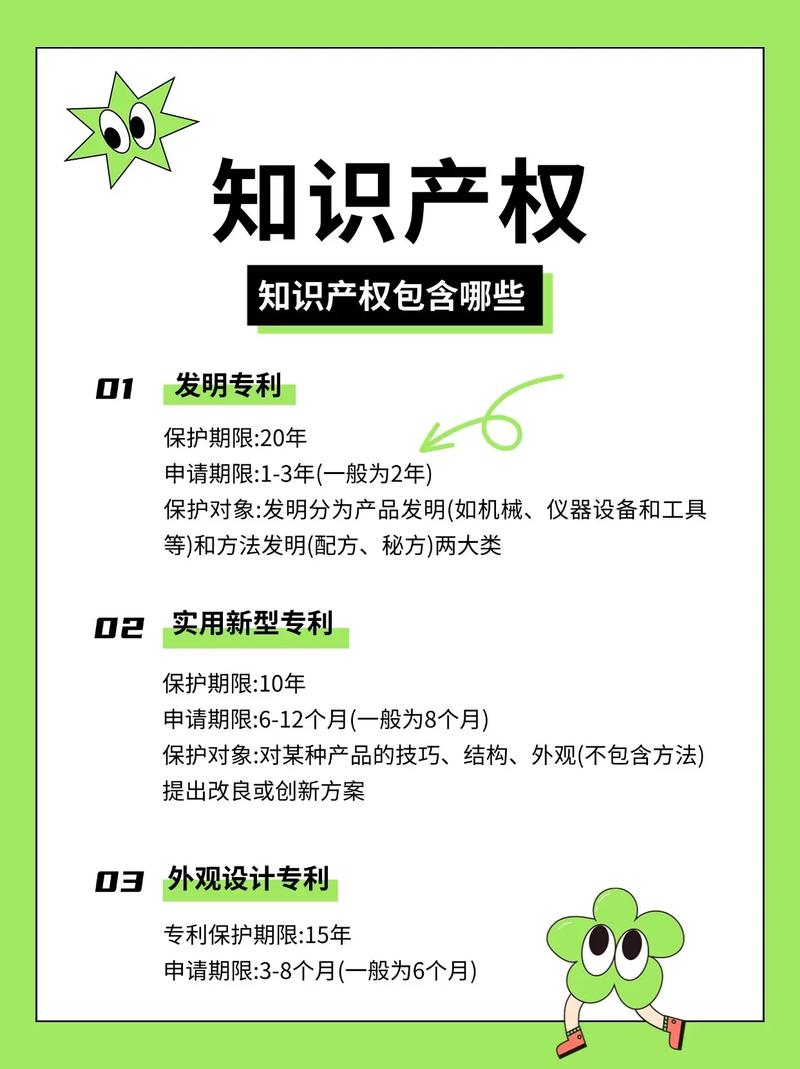
(ii) new varieties (new plant varieties rights, validated plant and animal varieties, registered varieties, etc.)
(iii) copyright and neighbouring rights
(iv) commercial secrets such as technical secrets (proprietary technologies)
(v) other intellectual property rights under national laws and regulations。
Chapter ii intellectual property attribution
Article 4 provides that teachers and students in schools are required to disclose their scientific and technological results to schools on their own initiative and in a timely manner, in order to ensure that the legitimate rights and interests of the schools are guaranteed。
The results of article 5 are the results of science and technology in the schools:
(i) the intellectual results achieved in the course of the completion of the job or of the financial support project undertaken by the school。
(ii) intellectual results achieved in the accomplishment of school-funded projects or school assignments。
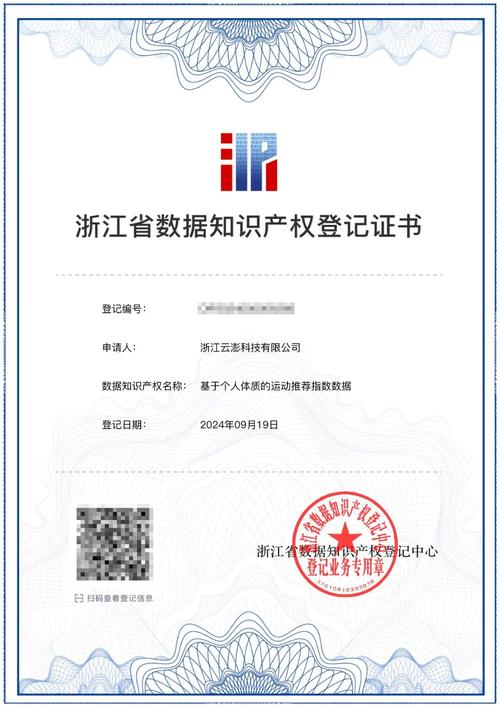
(iii) intellectual results achieved in the completion of projects entrusted to schools by other units (individuals) or in cooperation between schools and other units (individuals)。
(iv) the inventions made by school teachers and students within one year of retirement, transfer from school or termination of labour or personnel relations, in connection with their work performed during the school or the tasks assigned to them by the school (the varieties produced within three years)。
(v) other intellectual outcomes that should belong to the school。
The scientific and technical results of the sixth school function, except as agreed in the contract (agreement), are owned by the school。
Chapter iii intellectual property administration
Article 7 of the intellectual property rights of schools is administered at the campus level。
The school science and technology branch is the front office for intellectual property rights and coordinates and regulates the management of intellectual property in schools。
The institute of major completers is responsible for managing the intellectual property rights of the institution in accordance with this approach and the intangible assets management scheme of the university of xxxxx (pilot)。
Article 8 of the patent application must be made by an inventor (or a person who has completed the species) who has made a creative contribution to the substance of the invention (or the selection of the species). In the course of the completion of the invention (or variety selection), only those who organize the work, provide material conditions or perform other supporting work, as well as those who carry out the specific work in accordance with the inventor's technical programmes or other unrelated persons, may not be classified as inventors (or persons who complete the species)。
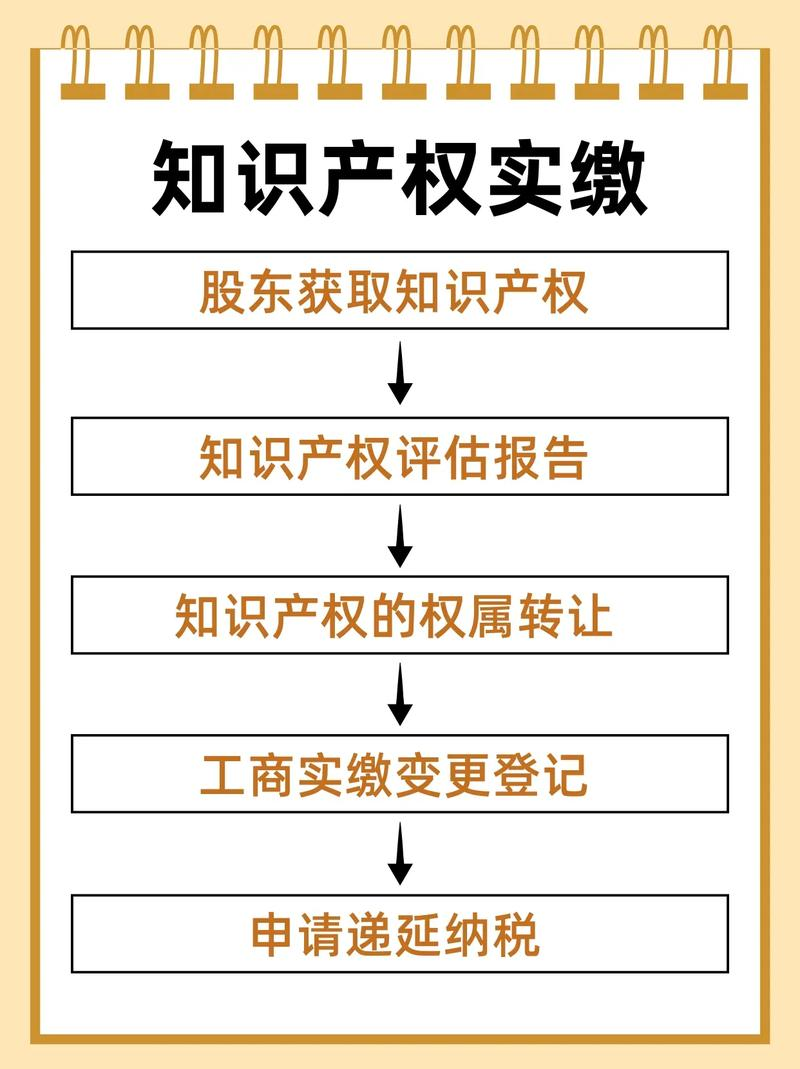
In relation to the results of research by teachers and students in schools where patent and variety rights are necessary, the main objective is to submit technical information to the scientific and technical department for review and application。
International patent protection is available for internationally competitive and promising inventions. Applications for an international patent may be made only with the approval of more than two thirds of the members of the academic council of the academy of the institute in which the inventor is located and with the approval of the scientific and technical department。
Article 10 cooperates with other units or individuals in research or development, accepts research or development commissioned by other units or individuals, enters into a written contract on behalf of the school and agrees on the attribution of intellectual property。
Article 11 - the intellectual property rights of students, researchers, students who study at school, continue their studies or research cooperative projects, who are involved in the subjects of school research undertaken by mentors or collaborators during the school period, or who have assumed the tasks assigned to the school, shall be owned by the school unless otherwise agreed。
Before leaving the school, the above-mentioned persons are required to return to their college all scientific information relating to their work in the school。
The intellectual achievements of visiting scholars, continuing staff, joint training of students, retention of students, etc., both at home and abroad, as well as those of those who have carried out relevant research during the school period but continue to do so outside the school and are likely to do so, shall be the subject of prior agreement with the receiving unit for intellectual property ownership。
After graduation, the first signatory to the article 13 shall be the university of xxxxx。
Article 14 requires that out-of-school bodies be entrusted with the task of collaborating in scientific research, that the ownership of intellectual property be expressly agreed in the contract and that the rights of the school be upheld by law. The contract of engagement must meet the requirements of the source contract (agreement) for the relevant project undertaken or commissioned by the school。
Article 15 applies jointly for patents (or varieties) in the name of schools and other establishments, in the case of patents (art



