


In life, we usually see tankers on the road, except for private cars, buses and trucks. So today, let's find out how the tanker works. See if it's as simple as it looks。
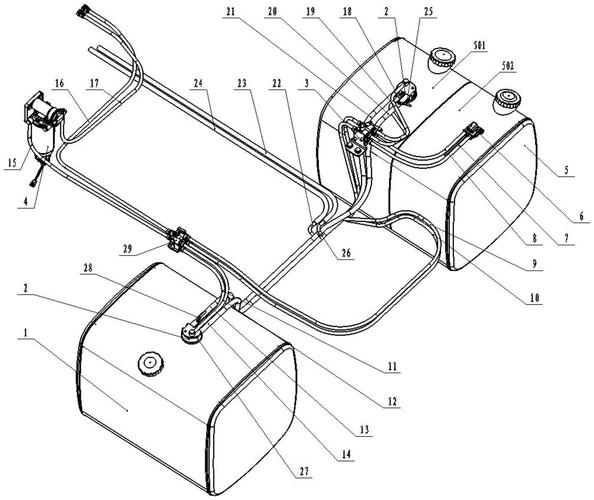
First, let us explain the concept of tankers, which are often referred to as mobile tankers. As tanker trucks typically transport gasoline, and oil, such as diesel, which is common at gas stations, these derivatives are handed over to tankers for transportation. Depending on the environmental needs, tankers can play different roles, generally with oil splits, pumps and various types of sub-assembly and distributions, as well as with oil extraction。
Next, let's see how the main structure of the tankers is, the tankers are made up of tanks, and the pullers, the pumps (usually gear-typed) and the network system consists of several major components. The network is also complex, with many smaller parts of the network, such as a two-way (three-bit) pump, a pipe and a special filter. Don't look at the tank as a whole, think that gasoline or something is just going into the tank, but it's still siloed, and it's just like a boat. There's still a branch in the shed. For safety considerations in the transport of tankers, a partition is usually welded between each subware, which allows the tank to be more secure and the impact of the transport on the tank to be buffered and reduced。
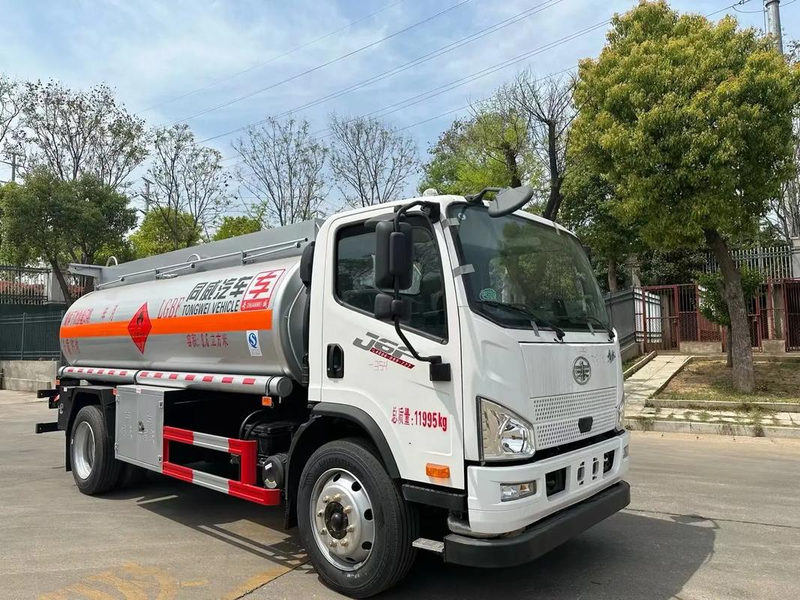
And finally, let's look at the look of the tanker, the look of the three-ton tanker, and we can see that there's a front and a giant tank in the back, which generally selects the size of the tank in terms of the capacity to be loaded, like six cubic metres. The general coated material on the surface of the tank is rustproof paint (because rain erosion is inevitable during transport) on the side of the tank. You may not notice that the general side will place an indicator that can easily be injected into the tank, which is a measure。
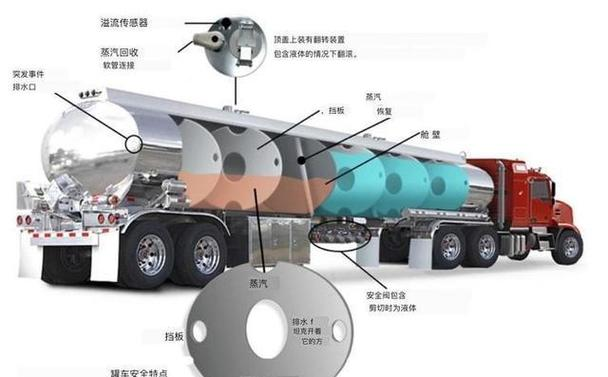
In summary, the rationale for the structure of the 3-ton tanker is described。



