On 24 august, japan launched a nuclear contamination of the water and the sea in defiance of the strong doubts and opposition of the international community. With nuclear contamination of water entering the sea, the topic of “how to protect against radiation” has received much attention, and in some parts of the world there have been phenomena such as “salt” “aqueous” “radiometers”, which are useful
Nothing. Indeed, initiatives such as the “salvation of salt” “irradiation against iodized salt” have been clarified by the authorities on several occasions。
The salt of the well, the salt of the lake, is not affected by the sea
In response to the phenomenon of “salt-jacking” in some areas, the chinese salt group issued a statement on the evening of 24 august that the country's sources of salt are divided into three main categories: well salt, lake salt and sea salt. The current structure of salt products in our country is 87 per cent well salt, 10 per cent sea salt and 3 per cent lake salt, and the production of well salt and lake salt is not affected by japanese nuclear contamination。
The china salt group also indicated that, as the world's largest salt producer, its salt production capacity exceeded 10 million tons per year, with wells accounting for 95 per cent of salt, lake salt for 4 per cent and sea salt for 1 per cent; and that there were well-developed marketing enterprises throughout the country with sufficient salt reserves to trace the source of salt and ensure quality security。
It is understood that the salt from the wells, which accounts for the highest proportion of production from medium salt groups, refers to the salt from underground mining, i. E. Mining wells, including drilling to extract salt from underground natural halogenated water and mining processed salt from underground rock salt. At present, the central salt group has well-mining salt production bases in jiangxian, hebeining, changzhou golden platt, xingxi zirin, anhui, and hubei yundong。
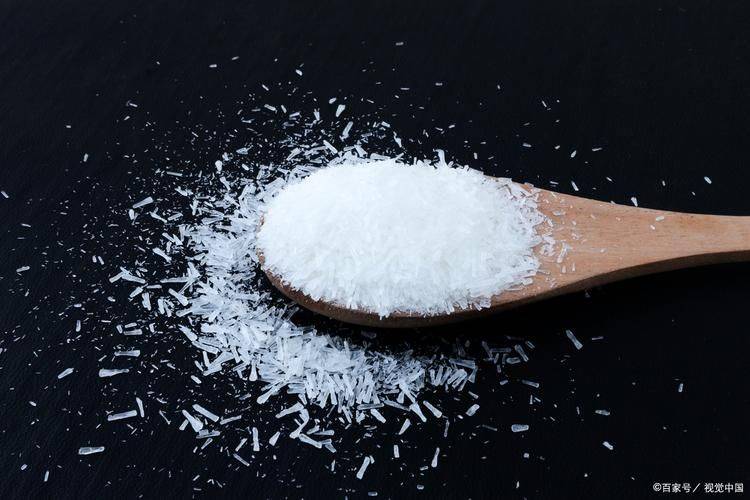
In the market, different types of salt are labelled on packaging. Thus, consumers do not have to hoard salt。
Iodized salt is not radiation-proof
There is also the question of “what to eat”. Some consumers argue that areas where nuclear contamination occurs offer to eat iodized tablets to protect against radiation, so will iodized salt be eaten in the future as nuclear sewage discharges the sea
Nor is it desirable, because the stable iodine tablets used to protect against radiation are not the same as the iodized salt used for daily consumption。
After the occurrence of nuclear radiation, a wide range of radioactive substances are produced that pose serious risks to the human body, one of which is “iodine-131”, which is extremely harmful to the human thyroid. The use of stable iodine tablets after exposure to radiation can saturate the thyroid from the iodine tablets, thereby reducing the effects of iodine-131 radiation on the thyroid of humans。
However, stable iodine tablets are only used for thyroid protection following radiation accidents. Usually, after assessing the state of the accident, professionals are required to direct the population; the main users are persons evacuated from the contaminated area, persons required to enter the contaminated area for accident treatment and care, persons who remain in the contaminated area for work purposes, etc。
With regard to iodized salt, its effect is to prevent iodine deficiency diseases, which contain much less iodized than stable iodized tablets, because excessive iodization is also incorrect and can lead to iodization poisoning and, in serious cases, life risk。
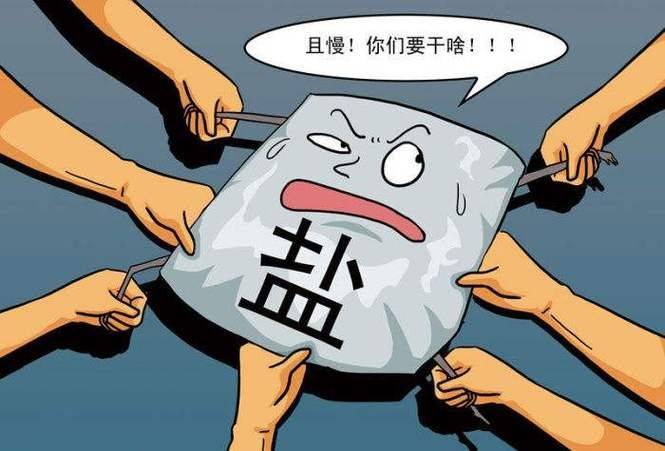
Moreover, iodized salt and stable iodized tablets cannot be replaced. In our country, the iodine content per kilogram of salt is 20 to 30 mg (in iodine) and the recommended dose of iodine for adults in the nuclear accident is about 100 mg. It can be seen that the same effect can only be achieved if three to four kilograms of iodized salt are eaten at once. It's obviously not realistic to eat salt so much。
It should be noted that iodized salt is not used by everyone. Iodized salt is not recommended for inhabitants of non-iodine-deficiency areas, persons suffering from thyroid hyperactivity and thyroid glands。
Sequestration? Watch the shelf life
It was also of concern whether aquaculture, cosmetics produced in japan, etc. Were affected by nuclear contamination of water. Some consumers start hoarding aquatic products and others cosmetics. None of the above, however, is sustainable, as there are storage conditions and shelf life periods for both fresh foods, such as aquaculture, and cosmetics and so forth, and there is a high risk of waste from the accumulation。
From a safety perspective, aquatic products, cosmetics containing marine components, etc., are indeed affected by nuclear contamination of water. This is also the reason why several countries and regions have declared a moratorium on the import of some japanese commodities。
However, it should be noted that the environmental and biological impacts of nuclear contamination are long-term. Therefore, for consumers concerned with food and commodity security, more attention should be paid to the notification of authorities and risk cannot be expected to be avoided through short-term “storage”。
According to the latest information from the general directorate of market supervision, we will, on the basis of the previous phase of the screening and rehabilitation of food safety risks from imports, deploy local market regulators to further strengthen food safety controls, urge food producers to comply strictly with food safety laws and regulations and the relevant regulations for the import of foodstuffs, and strictly prohibit the procurement, use or sale (including online marketing) of aquatic products originating in japan (including water and animal feed) from japan。
In their daily lives, consumers should also refrain from choosing products that do not meet national requirements for curiosity or taste. If a vendor is found to have irregular sales, a timely complaint can be filed。
There's a limit to the nuclear radiation detector
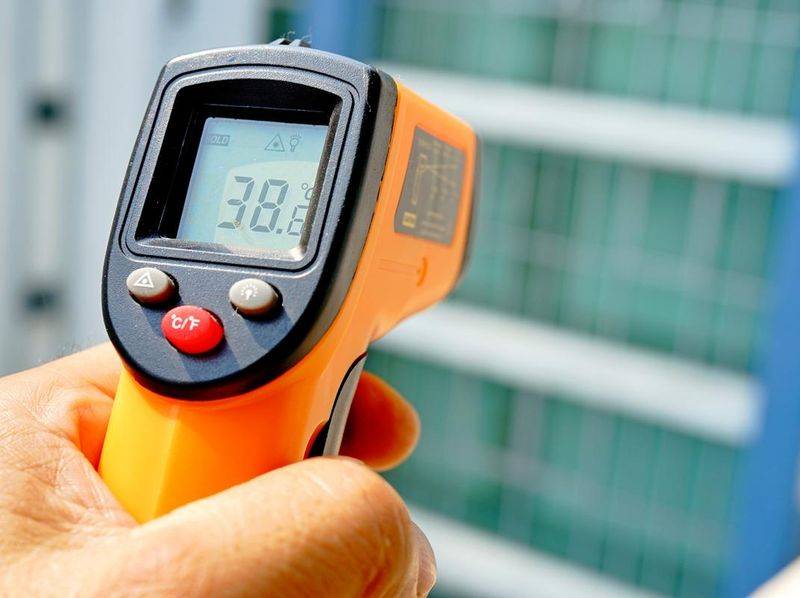
Surprisingly, the “nuclear radiation detector” “radiation detector” has also become a recent hot market product. On the electrician platform, portable nuclear radiation detectors are sold at rates ranging from $1,200 to $3,400. Most vendors indicated that they applied to multiple scenes, including detection of nuclear sewage, hospital radiation, rock metal radiation, etc。
However, according to the product description, such portable detectors can only detect the surface of the object and the presence of radioactive rays in the air and water, but cannot be detected deep inside the object and are not universal。
Professionals also point out that portable devices are usually of low accuracy and that the results are only referenced. For example, the standard value prescribed for food medicine safety is 100 becklers per kilogram (unit of measure for radioactive substances or sources), but portable radiometers often wait for products to be contaminated with the radiation of 5,000 becklers per kilogram。
In addition, radiation detection is more specialized, and the correct use of detectors and the collection and storage of tested samples can also affect detection results. Therefore, the public is not advised to test itself to avoid being misled by the wrong results。