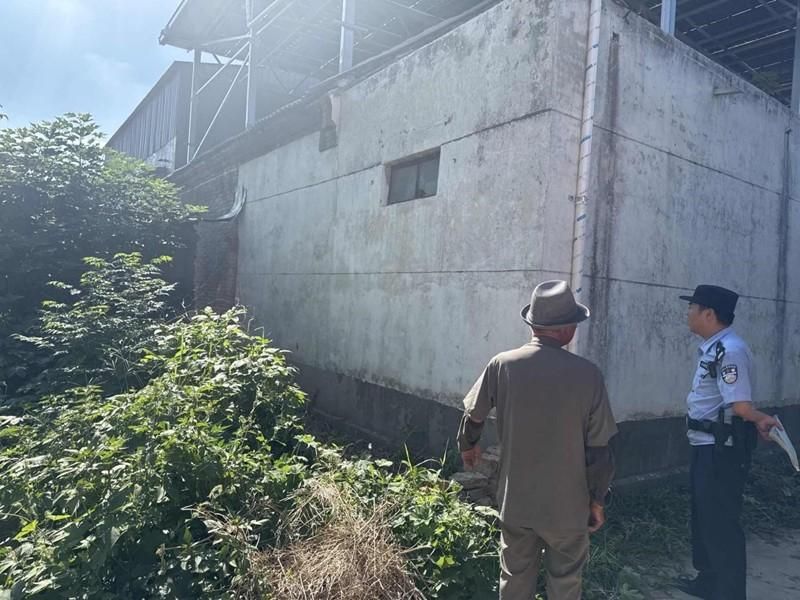
No one wants the concrete to become a web of spiders, with thin cracks and anxiety。
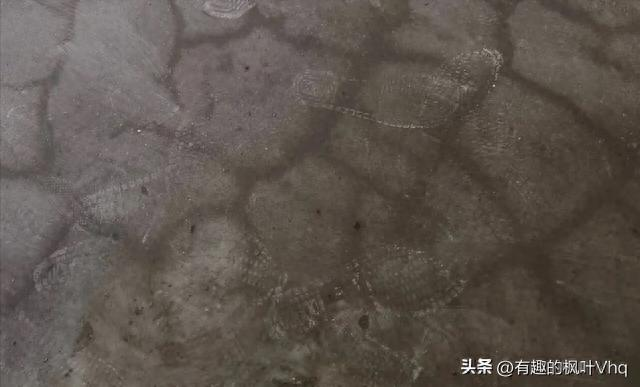
In fact, the vast majority of surface tortoise cracks are “face problems” that affect beauty and do not destabilize structural security。
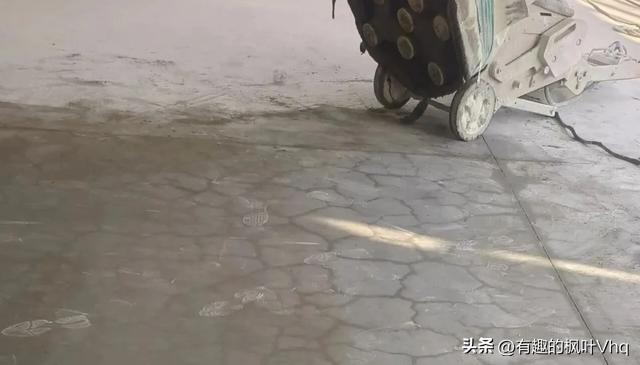
However, if preventive measures are not understood, the cracks may gradually spread and even trigger more serious structural cracks。
Recent studies have shown that these “skines” can be solved with a little more thought in construction and maintenance。
These cracks, differentiated by three stages of concrete hardening, have different causes and prevention strategies。
Overall, the core lies in the control of contraction, temperature changes and the external environment, in particular “where problems can occur and how to block”。
For example, many of the early cracks were formed in a plastic phase。
At that time, the internal moisture quickly evaporated and the pores produced negative pressure, resulting in a slight crack。
To this end, the latest technology from 2025 to 2026 emphasizes the use of sensors to monitor fine negative pressure and keep it below 2. 0 kpa to ensure that extreme environments (such as wind, dry temperatures above 40°c) remain intact。
What is even more amazing is that these “black technologies” are the result of a self-assembled single-molecule membrane technique that can inhibit water evaporation of more than 75 per cent, 10 million square metres of high-level iron layers without plastic cracks。
In the early stages of sclerosis, the temperature differential stress and self-inflation caused by hydro-heating heat have led to a wave of “fissile offensives”。
Here, regulating hydro-hot is vital。
The latest additives, with the addition of the polyoxyxyl radical group, can reduce hydro-heating by 50 per cent, reduce temperature rises by 5 to 10 degrees c and increase expansion capacity by 50 to 120 micro-responses to prevent cracks from emerging。
In conjunction with the process of compensating for contraction, the crack risk factor has been reduced to below 0. 7, and many orbital traffic and bridge works have used this technology, largely meeting the goal of “unvisible crack”。
At the end of the strangulation period, the largest “field of battle” became the tortoise crack caused by dry contraction and environmental effects。
Such cracks are not structural, but they affect the appearance and even the useful life。
Here, the construction phase needs to use smarter materials。
For example, a fine-difficult polyether decomposition, with only 0. 4 per cent of the mixture, reduces the dry contraction rate for 28 days by more than 20 per cent without loss of strength。
Many nuclear power plants and sink tunnels use this technology, with a marked shortage of dry cracks。
Not to mention fibre-enhanced micro-synthetic fibres, industrial floors are now particularly useful。
The mixing of micropolycene fibres can significantly increase early stretching and reduce rapid water loss cracks due to high temperature and low humidity。
I don't want a crack coming out for a second。
In summary, ground-based non-structured tortoise fractures are largely caused by contractions and temperature differentials and are highly influenced by the environment and construction methods。
The key to prevention is strict control of the ratio of material used, rational shocks, scientific conservation, and no room for cracks。
Specific measures include: real-time monitoring of fine negative pressure through the introduction of new evaporation inhibitors; water-based thermal controls to reduce temperature stress; and rational use of decompressants and fibres to strengthen the grass-roots and surface layers。
More importantly, the foundations are kept even and the cracks are reduced。
Of course, cross-cutting cracks can also occur if sources are not considered, such as the absence of a rational foundation and the unconstructed construction。
This is the crack that truly threatens structural security。
Unfortunately, the study found that the cracks would rebound only on the surface; therefore, the real solution would be extreme at every stage of design, construction and maintenance。
In the future, these cracks will become fewer and fewer as technology upgrades。
All we have to do is make materials and the environment “coherently”, with a little bit of care and a little bit of care, so that the non-structural cracks on the ground are no longer a problem。
The real "face project" is actually working on the details。