Fostering children's awareness of traffic safety requires a concerted effort by families, schools and society to internalize the rules into everyday habits。
Family infiltration: from “body learning” to “verbal”
Parents are the “first transport teacher” of the child, who is more effective than any preacher. Zebra lines, red lights, security helmets on electric vehicles and seatbelts on the whole drive-by — these routines are in the eyes of children。
It is more critical that parents assume responsibility for safe custody and “map” knowledge into life: for example, teaching children to cross the street “one stop, three passes”, does not suddenly cross when a car approaches; reminds them to walk and concentrate, and does not act as a “low head clan”。
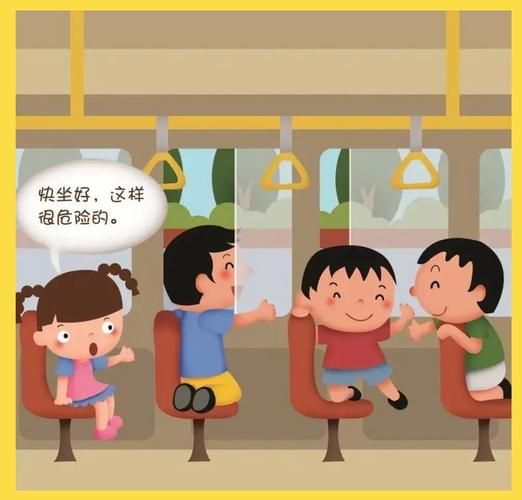
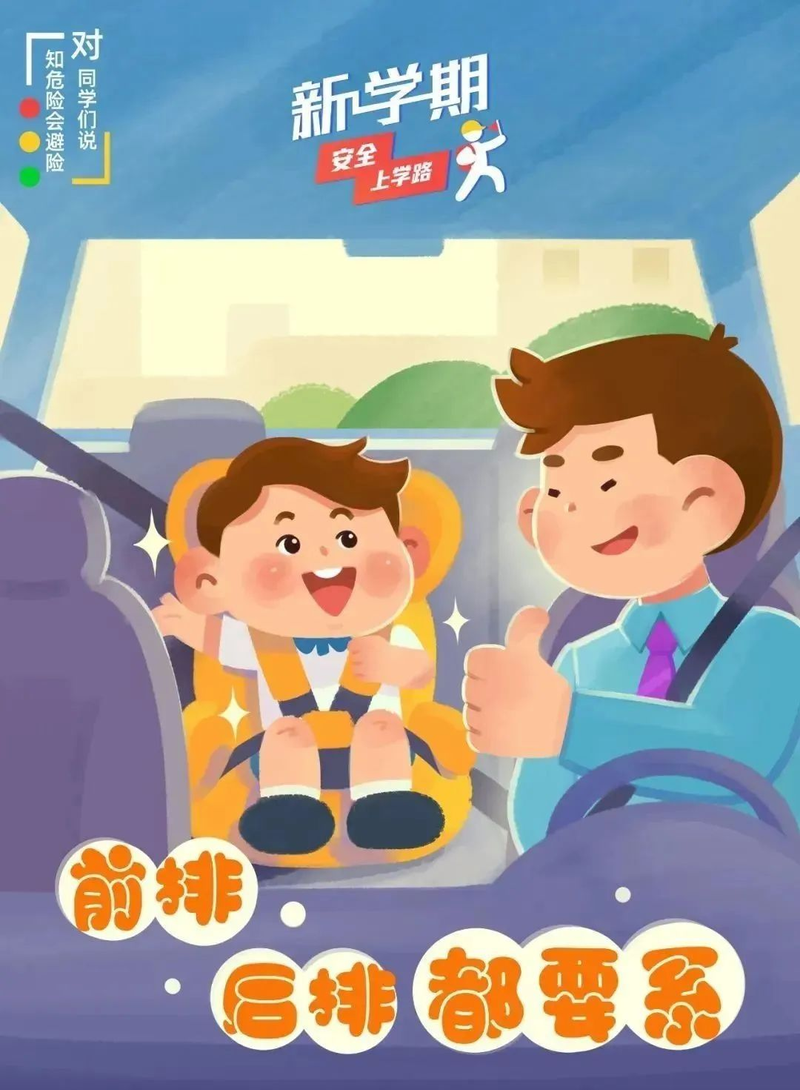
Age is a bar and must be strictly enforced: a bicycle may not be taken under the age of 12 or an electric bicycle under the age of 16. Parents are required to keep the keys to the car while supervising that the children do not use skis, balancing vehicles, etc., as a walker. When travelling by car, security details cannot be ignored:
School and society: “living” safe knowledge
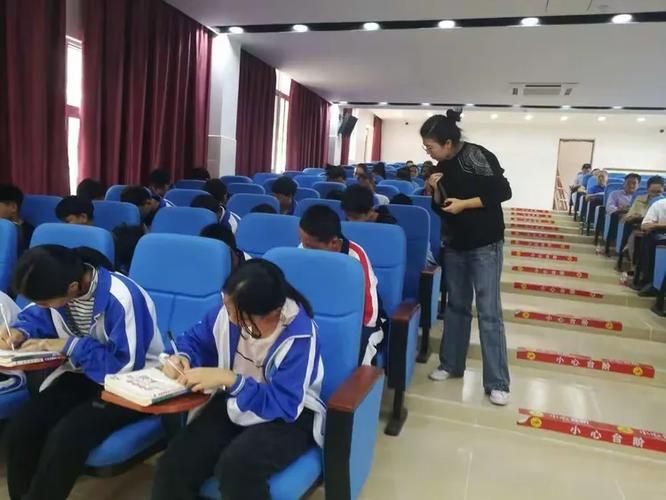
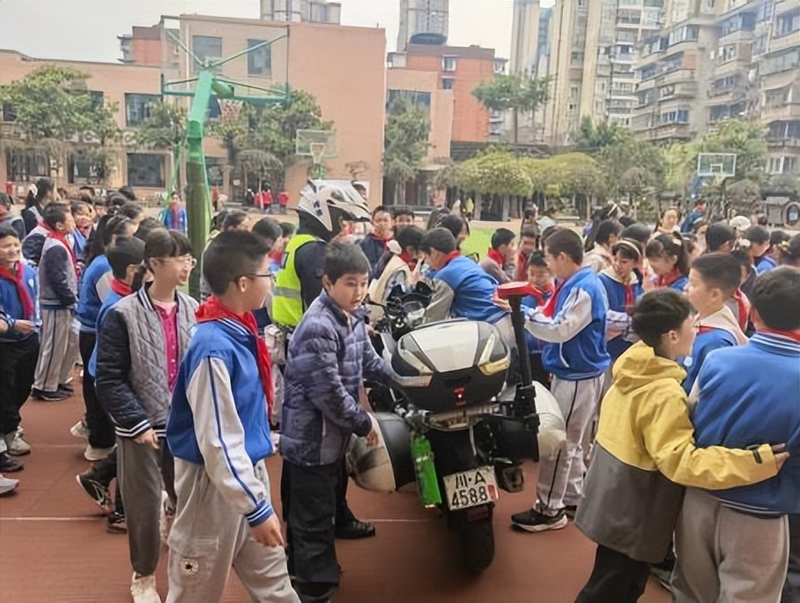
The school is the main position for enforcing the rules. During the school season, multiple traffic police came to the school campus to conduct the first course on traffic safety, using real cases and interactive presentations to provide children with visual insight into the dangers. For example, the reference to the “ghost scout” accident (sudden out of the car) and the blind section of the vehicle emphasizes the need to “know risks and avoid risks”. This immersional teaching is more powerful than a mediocre teaching。
It is more effective to translate knowledge into action. Schools can organize “pattern police” experiences, safe knowledge competitions or, through smart assessment systems, animated scenes such as cross-roads, so that children can consolidate the rules in the game. Studies have shown that such interactive teaching can significantly increase students ' knowledge。
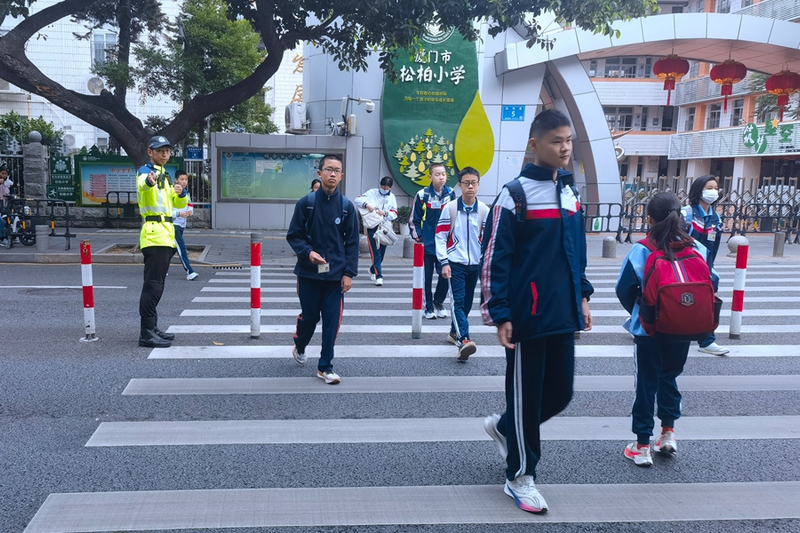
Security awareness-building is also environmentally dependent. At the social level, a “child-friendly” transport environment is being built:
When the child is able to proactively remind the “waiting for red lights” to “get their helmets on”, the safe seed has taken root. It takes every day to insist and respond。