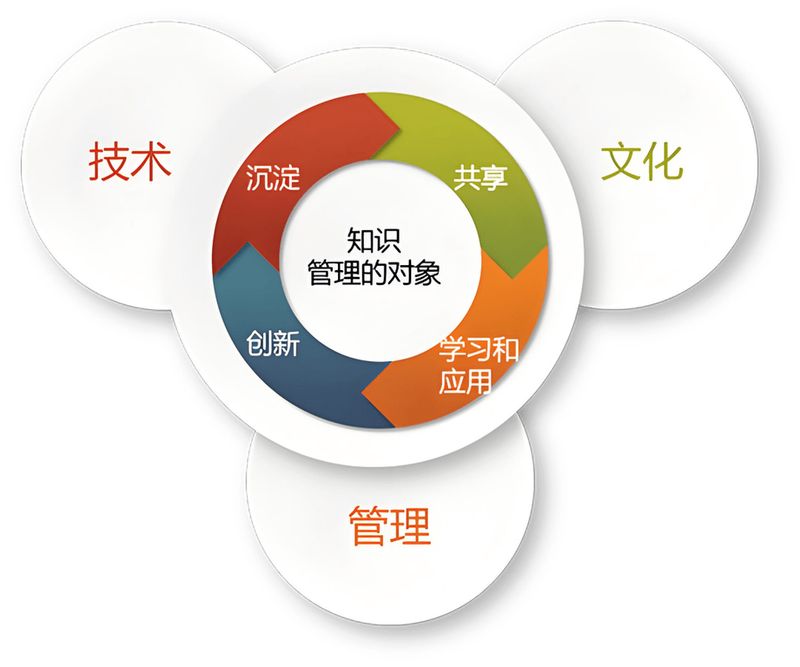
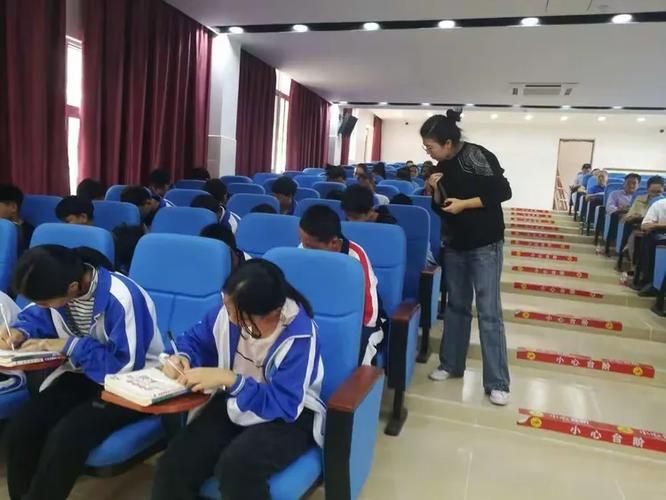
Business training is not a simple lesson, but it has its own unique nature. These requirements are like treasures hidden in the depths, excavated to give great energy to business training. So let's look at the nature of the training in business from multiple dimensions。
Knowledge transfer dimensions
Knowledge transfer is a fundamental and critical component of business training. Business employees need to keep their knowledge systems up to date to adapt to changing market environments and business development needs. The knowledge transmitted by the training should be targeted and closely focused on the business and job needs of the enterprise. For example, for employees in the marketing sector, the training could focus on knowledge of marketing techniques, customer relationship management, etc., while for staff in the technology sector, in-depth technical expertise, e. G. Programming language, algorithm design, etc。
The way knowledge is transmitted is also crucial. While traditional classroom teaching is a common way of doing so, a single teaching may make the staff boring and less effective. As a result, staff can be more actively involved in knowledge learning in a variety of ways, including case analysis, panel discussions, and practical exercises. For example, in teaching marketing techniques, it is possible to provide employees with a better understanding and application of the knowledge acquired through practical sales case analysis. At the same time, the use of online learning platforms provides a wealth of learning resources that allow staff to learn on their own, according to their time and needs, to further improve the efficiency of knowledge transfer。
Skills enhancement dimensions

Another important element of enterprise training is the upgrading of staff skills. Skills are the ability of staff to operate and solve problems at work, which directly affects the quality and efficiency of work. The skills requirements vary from one job to another, so training needs to be tailored to the characteristics of the job. In the case of customer service positions, for example, employees need good communication skills, problem resolution skills and emotional management skills. Through training, clients can learn how to better communicate with clients and quickly and accurately address their problems while maintaining a good service attitude。
Skills upgrading must not remain merely theoretical, but must be consolidated and enhanced through practice. In the course of training, simulation scenarios, practical project operations, etc. Can be set up to enable employees to exercise and upgrade their skills in practice. For example, for software developers, a number of small project practices could be arranged to enable them to apply the techniques and methods learned in their practical development and to improve their programming and project management capacity. In addition, regular skills assessments and assessments are essential to provide a basis for follow-up training through clearance and timely identification of staff skills deficiencies。
Ideas outreach dimension
Business training should not only be the transfer of knowledge and skills, but also focus on the expansion of staff thinking. In today's fast-changing era, businesses need employees to have multiple ways of thinking, such as innovative thinking, strategic thinking and systemic thinking. Innovative thinking can help enterprises develop new products, expand new markets and improve their competitiveness. Apple, for example, has led the global trend in science and technology through continuous innovation and the introduction of a series of landmark products. Training can stimulate innovative thinking among employees by organizing such activities as brainstorms, sharing of innovative cases, etc。
Strategic and systemic thinking, in turn, helps staff to view issues from a macro- and holistic perspective and to better understand the strategic objectives and direction of business. Training can better orient their work by providing information on strategic enterprise planning, trends in industry, etc., and by informing employees about the market environment and the competitive dynamics of enterprises. At the same time, through the development of systematic thinking, staff can better coordinate work across sectors and improve the overall operational efficiency of enterprises. For example, in a large project, staff need to apply systematic thinking and consider the interrelationships between the various components to ensure the smooth running of the project。
Cultural integration dimension
Business training is also an important means of promoting the cultural integration of enterprises. The corporate culture is the soul and spiritual pillar of the enterprise, which influences the values, behaviour and working attitudes of employees. When new employees enter the enterprise, they need to be informed and integrated into the business culture as soon as possible in order to better adapt to the working and team environment. Training can provide new employees with a comprehensive understanding of the business culture by describing the development of the enterprise, its values, its mission, etc. For example, through training, the wigand corporation has developed a deep understanding of the corporate culture of “client-centred, hard-core” workers, which has stimulated staff enthusiasm and responsibility。
In the course of training, employees can also experience and experience the business culture in practice by organizing team-building activities, cultural theme discussions, etc. Team-building activities enhance communication and collaboration among staff and foster teamwork; cultural thematic discussions allow staff to reflect deeply on the content and significance of business culture and further promote cultural integration. At the same time, business management should lead by example and practice the business culture and serve as an example for staff. Through cultural integration, enterprises can generate strong cohesion and motivation and increase the sense of belonging and loyalty of their employees。
Career development dimensions
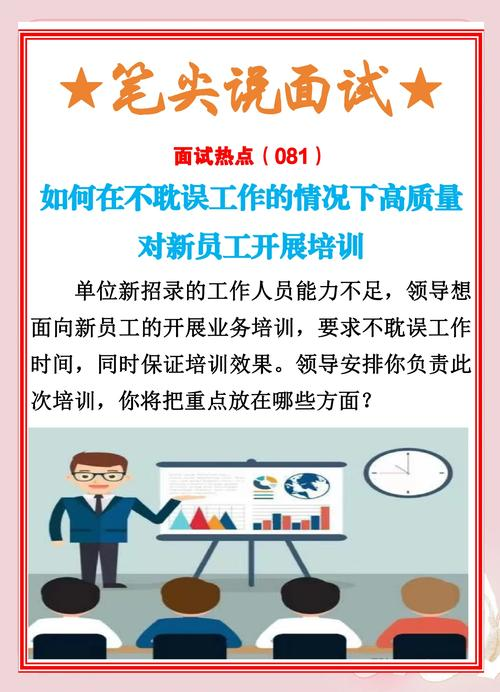
Enterprise training is closely linked to the career development of employees. The employees want to grow and progress in the enterprise in order to achieve their professional goals. Enterprise training can provide staff with opportunities for promotion and a platform for development. Through training, employees are able to upgrade their abilities and qualities and to qualify for higher positions. For example, enterprises can offer management training courses for potential employees to help them upgrade their managerial competencies and prepare them for managerial advancement。
At the same time, enterprise training can provide individualized training programmes for employees based on their career plans. Different employees have different career goals and development directions, and training should meet their individual needs. For example, professional technical training and further training opportunities could be provided for employees wishing to develop further in the field of technology; training in marketing, business negotiation, etc. Could be arranged for employees wishing to expand their fields of operation. By focusing on the career development of employees, enterprises can attract and retain excellence and achieve joint enterprise and staff development。
In conclusion, the essence of enterprise training covers the dimensions of knowledge transfer, skills upgrading, thinking development, cultural integration and career development. These dimensions are interlinked and interact with each other, and together constitute a complete system of enterprise training. In conducting their training, enterprises should be fully aware of these essential requirements, develop scientifically sound training programmes and adopt diversified training methods to improve the quality and effectiveness of training. Only in this way can enterprise training truly provide strong support for the development of enterprises and help them compete undefeatingly in fierce markets. At the same time, employees are able to continuously upgrade themselves in training to maximize personal value。