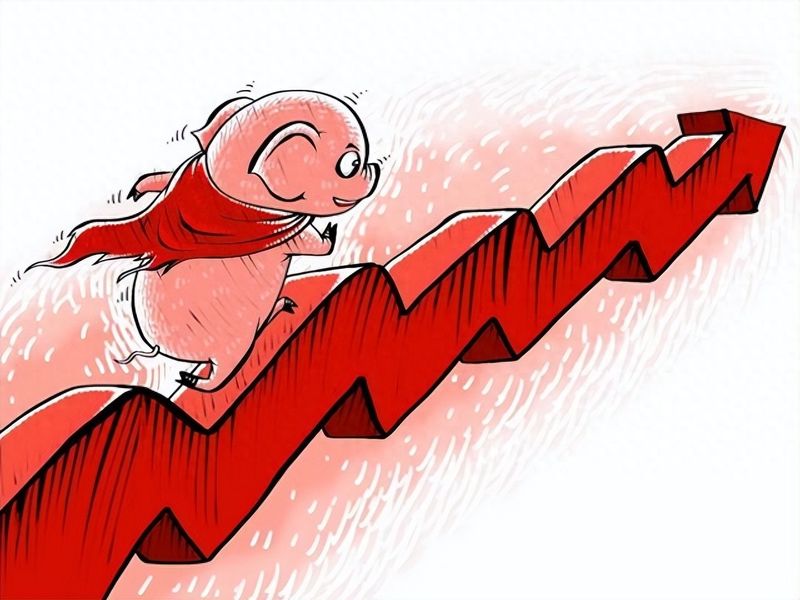
What is the impact of the continued devaluation of the renminbi
The current exchange rate of the renminbi against the united states dollar is once again breaking the threshold of 7. 3, a slight change in the figures that has triggered a market shock. The effects of the continued devaluation of the renminbi are multifaceted, ranging from the reshaping of export industries to monetary policy, rising import costs and uncertainty about capital flows, with wide-ranging implications for the domestic economy, enterprises and individuals。
1. Reinventing the export industry: the devaluation of the renminbi provides a unique opportunity for china's export industry. Lower exchange rates have made chinese goods more competitive in international markets, but have also increased import costs. This will enable domestic firms to restructure and seek technological innovation and product upgrading in order to maintain their advantage in intense international competition。

Add: the continued devaluation of the renminbi has made chinese products more price-competitive in international markets, which offers exporting firms a unique opportunity. In the case of manufacturing, for example, the devaluation of the renminbi would reduce the price of products and increase the profitability of exports. This will facilitate the restructuring of domestic enterprises, increase investment in technological research and development and improve product quality and value addition. At the same time, chinese enterprises will be encouraged to accelerate their transition from traditional manufacturing to higher-end manufacturing and services, and to increase the value added of industrial chains to meet the challenges of international competition。
2. The impact of monetary policy: the devaluation of the renminbi may have an impact on china's monetary policy. Central banks need to balance inflation risks with economic growth to avoid volatile financial markets and adverse consumer sentiment。
3. Higher import costs: while export industries may benefit from depreciation, higher import costs will have an impact on domestic consumption. Rising prices of imported goods can lead to inflation and affect household spending on a daily basis。
Uncertainty of capital flows: the continued devaluation may raise concerns among investors about the stability of the renminbi, leading to capital outflows. Governments need to take measures to stabilize financial markets and prevent excessive investor panic。

Summary: the effects of the devaluation of the renminbi are not only digital fluctuations, but relate to export industries, monetary policy, import costs and capital flows. The government's response to the challenge will, to some extent, influence future economic trends. In the context of the current rapidly changing global economy, we need to deepen our understanding of the reasons behind the continued devaluation of the renminbi and make informed decisions to address the potential impact。
Why does the renminbi continue to fall and the increase in the dollar’s interest rate has a significant impact
Introduction: the continued devaluation of the renminbi is not an accident, and there is a combination of factors behind it. Of these, the dollar hike policy is undoubtedly one, and its effects figure prominently throughout the process of depreciation。
1. Economic cyclical factors: one of the primary factors in the devaluation of the renminbi is the impact of the economic cycle. The slowdown in global economic growth and increased trade tensions have led investors to worry about economic prospects. The fed's interest-rate policy was seen as a means of avoiding the depreciation of the renminbi by transferring funds from investors to the united states, leading to the appreciation of the dollar。
2. Differences in interest rates: the increase in interest rates in the united states dollar would result in a relative increase in the level of interest rates in the united states dollar and attract more international flows to the united states market. At the same time, as china's economic growth slowed, market appreciation of the renminbi was expected to decline and investors turned to more profitable investment channels, leading to a devaluation of the renminbi。

3. Changes in the external environment: the instability of international financial markets and the volatility of the global economy have also contributed to the devaluation of the renminbi. Monetary policy adjustments in the united states could shock global financial markets, and investors could cast doubt on the outlook for the renminbi, leading to capital outflows, thereby exacerbating the downward pressure on the renminbi。
Summary: the interest rate hike policy has had a significant impact on the continued devaluation of the renminbi, mainly in terms of economic cycle factors, interest rate differentials and changes in the external environment. The combination of these factors has led to the constant decline of the renminbi. Governments should strengthen regulation and regulation and improve the resilience of the financial system to cope with the adverse effects of devaluation risks. At the same time, economic restructuring, domestic demand and industrial competitiveness continue to be promoted in order to truly meet the challenge of the dollar hike。
# autumn life creative #