Ultimately, the costs of third-party dismantling should be borne by the responsible party, i. E., it would be based on the results of the dismantling to determine who was wrong and who was paying. At the heart of the dispute lies the identification of the real reason for the engine to pull the tank, and dismantling is the only way。
Event review: the starting point of the responsibility dispute
Mr. Zhang, in september 2025, replaced the engine with oil in a transport vehicle, without abnormal pre-maintenance engine. Five months later, however, the vehicle suffered from a noise and a decrease in power, and the inspection found that the engine had been severely worn and even pulled because of lack of oil. Mr. Zhang looked at the quality control video of the maintenance and concluded that the staff member was suspected of not having fully loaded the 5l oil purchased, and that the liquid level of the medium ruler was at the lower end of the video, below the desired mid-line position。
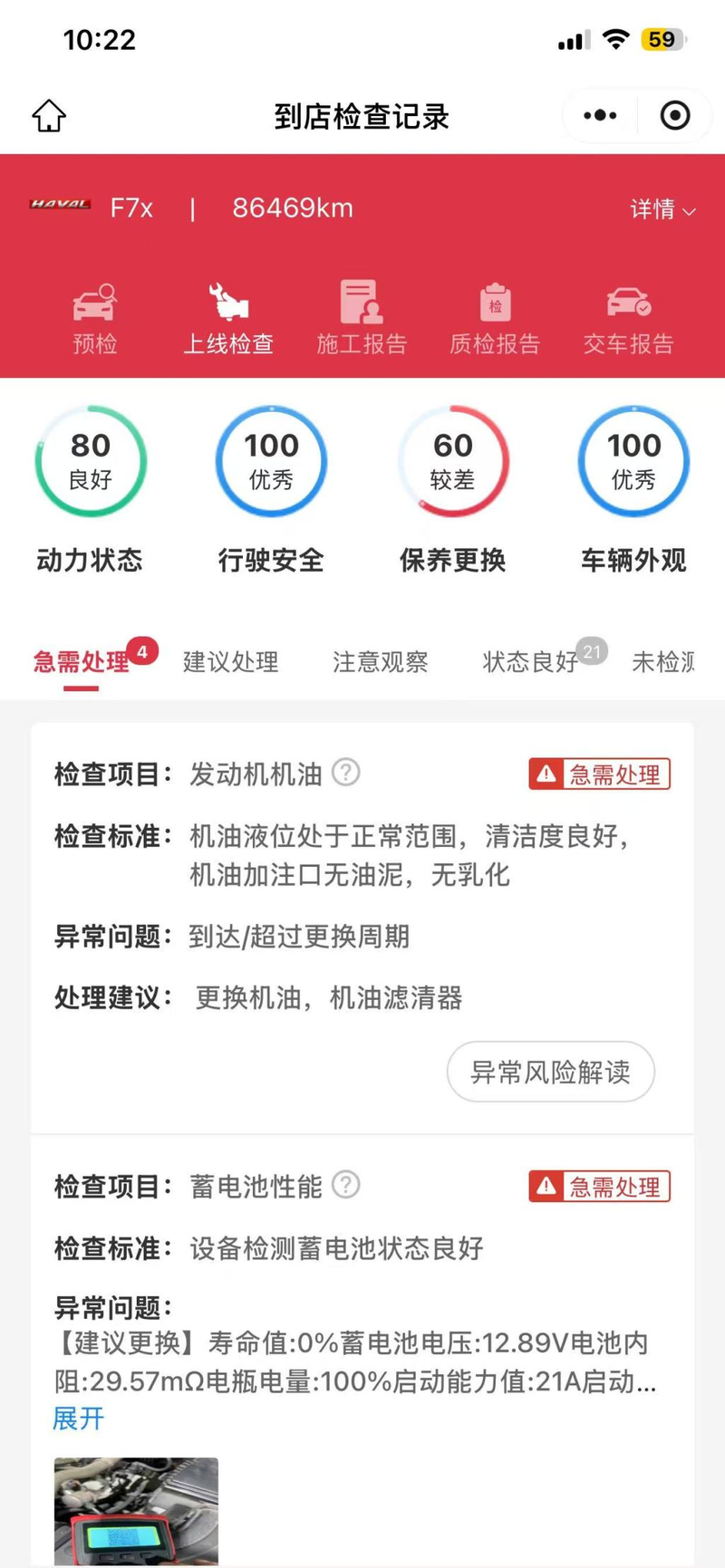
In turn, the tmvp responded that, as verified by the technicians, the oil was suitable, that the 5l oil was fully charged, that the construction process was not problematic and that it was preliminarily judged that there was a risk that the vehicle might have been burned. The two sides have each adopted the term, and the dismantling of the engine has become the key to clarifying the facts. For its part, the tigers indicated that they were willing to accompany their clients to a third-party professional institution to dismantle the inspection and, on the basis of the results, to hold the responsible party accountable for the maintenance costs。
However, the dismantling itself would cost 3,000 multiples, and who would pay it first became a deadlock。
Cost-sharing: cost of truth decisions
The rationale for this cost is simple: who bears the costs of dismantling and follow-up maintenance when the fault causes the failure. Dismantling is to obtain evidence, and once the results are produced, responsibility is clear。
More importantly, there is a normal range of oil consumption. In accordance with national standards, oil loss per 5,000 km of motor should not exceed 1. 5 l and normal wear and tear per 1,000 km should not exceed 0. 3 l. Mr. Zhang's vehicle travelled more than 6,000 kilometres after maintenance, and if oil consumption is well above this standard, it may point to vehicle problems; conversely, the maintenance chain needs to be examined。
Practical advice to the owner
In the face of similar disputes, the owner can take several steps:
In short, the cost of dismantling appears to be a sum of money, and indeed the cost of pursuing the truth. In disputes, the question of costs is resolved fairly by active cooperation and professional identification in order to attribute responsibility。