"the price of steel is going crazy?" the phrase "the price of steel is going crazy."。
You brush the trades, paste them, even the shivering reviews, and you're asking, "was the screwd steel, the heat rolls, the wave rises, or the prelude to a new wave?"
Some people are excited, others hesitate, and even old traders say, "i've been doing steel for more than a decade, this "up and down" drama, which new guy can handle."
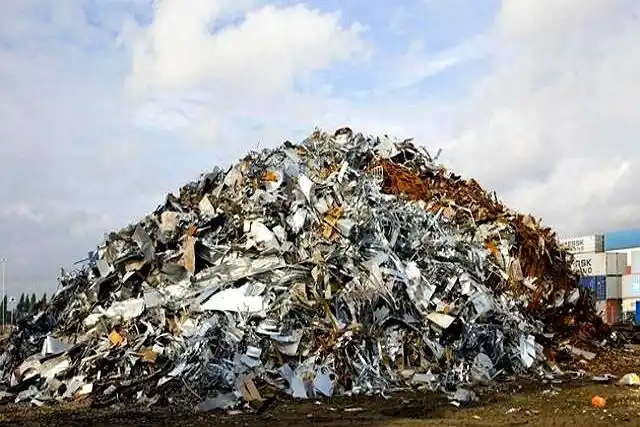
Don't tell me that in march, some of the steel plants that were feeling a little out of control changed their offer, and the spot price came up, even with the futures market。
For example, some mainstream screwd steel futures, 3150 yuan/tonne was directly touched, and some even plating “iron water is more expensive than oil”。
But once you dive in the crowd, you find the difference。
Traders say: “how can steel not go up once local debt is paid and construction projects begin?” but the voice just came out, and someone said, "do you believe it? The price line for the steel plant is almost broken.” the two parties were justified, and the atmosphere burned。
In fact, everyone wants to know the truth about steel factories, traders and downstream purchases。
It is no exaggeration to say that behind the rise in steel prices is a combination of supply and demand and policy, a cyclical doorway for the steel industry to “go to stock-restock-to-high”。
From the point of view of the steel factory, this practice is “love and hate”。
On the one hand, as a result of energy policy, local manipulation of genuine production, the production of iron water in parts of the region has declined, and individual furnaces have been asked to “stop”。
At the same time, however, the prices of the feedstock end (e. G. Iron ore, coal coke) did not come down, and the energy end sometimes surged as a result of the middle east conflict and ship stress。
In jiangsu's case, a lot of steel mills' screw-to-ton steel costs are even higher than the spot price, and who dares to sell them
So they're all at a good price, and they're selling it, and they're afraid they'll throw it in their hands。
When looking at downstream purchases, the anxiety is no less odour than that of steel plants, and the higher the price, the greater the pressure on procurement。
“we're not a vault, we're being pushed. Whoever locks the price in advance wins half.”
This structural tension suggests that policies, costs, demand are three forces and, on the other hand, market sentiment。
There are those who look at the “policy bottom”, and there are those who believe in “cost lines”, but to break it down, everyone knows that。
At the policy end, actions such as the 2026 pressure on capacity, anti-ports, and special debt did give the industry confidence; at the cost, the port stock of iron ore continued to decline, and geo-stress increased the cost pressure; and at the demand end, when spring came, there were signs of recovery in infrastructure, manufacturing, and even some exports, but steel use in the land remained weak。
What's the price of steel now
Mainstream screwd steel is generally on or below $3,300, and thermal rolls, medium plates, etc. Are almost $3,400/t。
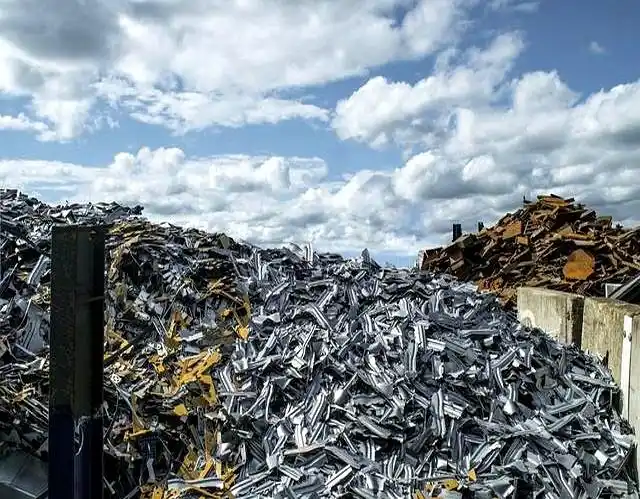
Short-lined policies and raw materials are still in demand, and it is expected that steel prices will be hard to fall within one to four weeks, and at best the increase will slow down。
Some are betting on “3300” and others say “take it as it is”, depending on whether supply continues to contract and demand continues to keep pace, particularly with regard to the large items of real estate and exports。
Interestingly, a lot of internet users are talking more about the price itself, but about whether the "high point should be hoarded" or not。
You look at one of the great comments: "the price of steel rises, and i panic; i fall; i am afraid to hoard, to rise, to hold, to hold, to make steel." behind this is the collective memory of the steel industry over the last few years of the cycle of “blowing and falling”。
Thus, even if the experts predicted that the shock would rise in the short term, the vast majority of the old men would be afraid to bet too much。
It is worth mentioning that official regulatory signals are not vague。
It is no longer a slogan, with special debt at the tempo, high environmental pressure, port stock adjustment, etc., and every step is affecting the situation。
There is also a voice in the market: if policies are relaxed or demand-side “lost”, steel prices fall, and there is no ambiguity。
In fact, for all present participants, steel factories, traders, downstream users, no one can really “see through” the line。
The steel plant is considering whether to speed up the recovery or continue to control the rhythm, the traders are entangling between “sold” and “fear to break” and the downstream terminal is going to grab the window lock, but the stock is too much to hide and less to lose。
Everyone's calculations are cracking and nobody wants to be the last。
This is also a microcosm of china's steel industry。
Each time steel prices fluctuate significantly, not just as simple as price wars, but behind them are industrial structures, policy games, macroeconomics and the livelihoods of ordinary people。
It was said that steel is made with a cycle of death and with its own expectation。
The price of steel at this time is like "dancers on the edge of the cliff" and there are people on stage looking for opportunities and people watching。
No one dares to spank their chests, but certainly there is no industry that knows better than steel “to rise and fall, to be warm”。
Just like people who have internet connections, steel makers, mentalities and bars, they have to be strong enough to survive tomorrow's variables。
Would you like to wait for a "conservative pill"? The story is the best answer in itself。
Steel prices are rising fast and falling slow. As for you, either you follow the wind or you watch, you already have your own answers。