


In recent days, the shenyang emergency centre su's sun cedar zone station has been instructed by the 120 command centre to move quickly to the scene to check that the patient is in a coma, both in the past and in the case of diabetes, where the immediate blood sugar is measured at high (above 33. 3mmol/l), and to consider the possibility of a coma for diabetes ketone acid poisoning and to provide safe further treatment after appropriate disposal。

In daily visits, patients with a previous history of diabetes, causing haemomal sugar abnormalities, are often exposed to first aid knowledge of diabetes in the curriculum。

Diabetes is a chronic disease caused by absolute or relative insulin insufficiency and accessibility, marked by high blood sugar. Five points of attention for diabetes patients include diabetes education, medical nutrition treatment, motor therapy, medication, blood sugar surveillance. The first four eligibility criteria are measured by monitoring blood sugar. It is hoped that this will be a deterrent to the risk of life when food is not observed, when blood sugar is not monitored in a timely manner, when morbidity is associated with high blood sugar, when epilepsy is combined and when it is dangerous。
I. How to deal with high blood sugar
Normal human abdominal sugar values range from 3. 9 to 6. 1 mmol/l, when the blood sugar unit reaches hi hints that the blood sugar is above 33. 3 mmol/l, which can seriously endanger life. How to determine the severity of the condition if there is extreme thirst, urination frequency, blurred consciousness, dry skin, deep breath and smell of rotten apples. If the patient is conscious, rehydration is done immediately, drinking non-sugar-free electrolyte water or desalination water (1-2 g salt per 500 ml) is used to supplement 200-300 ml per hour to prevent dehydration. Discontinuation of medications that may contribute to blood sugar, such as hormones, as well as detection of the presence of leaking drugs, help first aid workers to understand the situation and avoid their own activity, stress and other aggravating conditions。
Ii. How to deal with low blood sugar when it occurs
1. Reasonable drug use: diabetes patients should strictly comply with medical instructions for the use of insulin or oral sugar, avoiding overuse or inappropriate timing. Do not increase the amount of medication without permission, as it may cause complications such as low blood sugar。
2. A balanced diet: diabetes patients should have a reasonable diet that ensures balanced nutritional intake, avoids over- or under-ingestion of carbohydrates, and regularly eats, and avoids prolonged larvae。
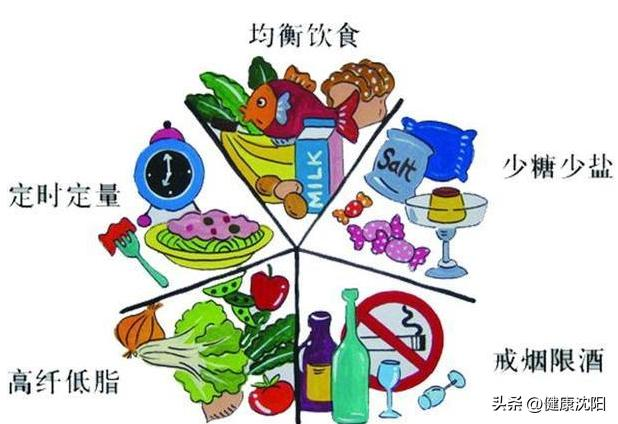
3. Motivation: while sport can help reduce blood sugar, it needs to be careful not to overmove, so as not to consume too much energy and lead to low blood sugar. Sport should choose the appropriate mode and intensity, such as aerobics, such as runaways, jogging, swimming, etc., and avoid intense movement during peak periods of drug use。
Regular monitoring of blood sugar: diabetes patients should regularly monitor blood sugar levels, especially when using insulin or sugar-reducing drugs. Self-sugar surveillance helps patients to detect signs of low blood sugar in a timely manner。
In case of blood sugar abnormality, please call the first aid call 120 in a timely manner, then keep the call open, immediately proceed to a designated location to pick up the vehicle and provide a brief description of the patient and advance judgement。