At this special time in the fight against the epidemic, the development of good hygiene practices is a necessary condition for ensuring physical health, as well as for preventing diseases and safeguarding health. Today, we are learning about hygiene practices and developing good hygiene practices. From the moment everyone does it, from the drops around。
How to make a healthy habit
1. “four hours”
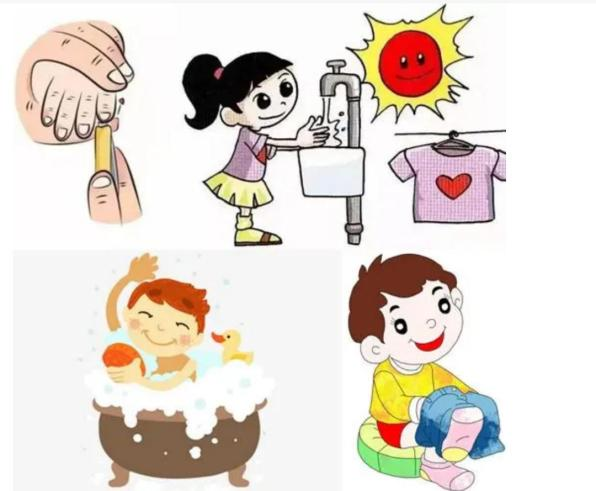
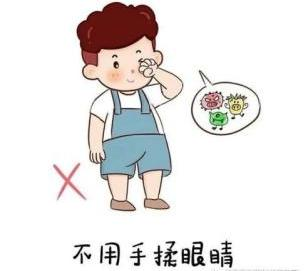
Handwashing, bathing, nail cutting, hair cutting. There's plenty of bacteria on hand. If you stomp your nose, rub your eyes and touch your mouth with your dirty hands, you bring the fungus into your body and cause disease. So wash your hands. Intense bathing, which removes the dust from the hair, skin surface, pores, bacteria, and which is easily hidden in the fingernails of dust, fungi, viruses, parasites, should be subject to cutting。
“neither”
Don't share sanitary appliances (e. G. Cups) and don't throw garbage。
3. Attention to sanitation
Environmental health is poor and easily transmitted. Work to clean up and keep the living environment clean。
Read and write
One foot from the book, one punch from the desk and one inch from the pen. Don't read in the light, don't read in the walking car, don't lie down and read without your dirty hands rubbing your eyes。
5. Food hygiene
No food without sanitary security, no food without cleaning, no raw water. Brush your teeth, wash your hands before dinner, wash your mouth after eating。
6. Maintaining exercise
Appropriate physical exercise is maintained on a daily basis in order to improve health and maintain good and energetic energy。


Attention in everyday life
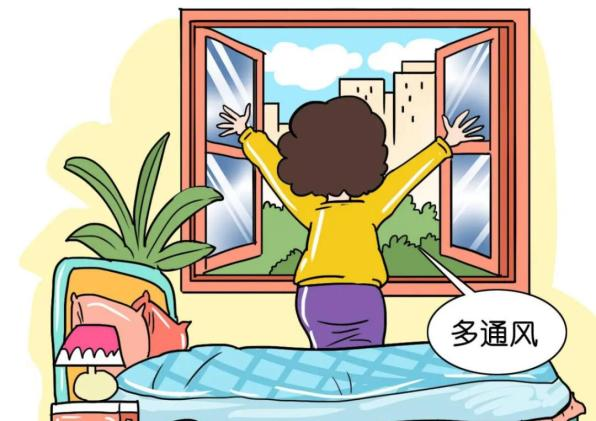
1. Multiventilation
Fresh air removes excess moisture and dilutes indoor pollutants. There should be regular ventilation through windows and air flow; sunlight should be released into the room because of the bacterial effects of ultraviolet light in the sun; and fumigation rooms with vinegar could also be used for disinfection。
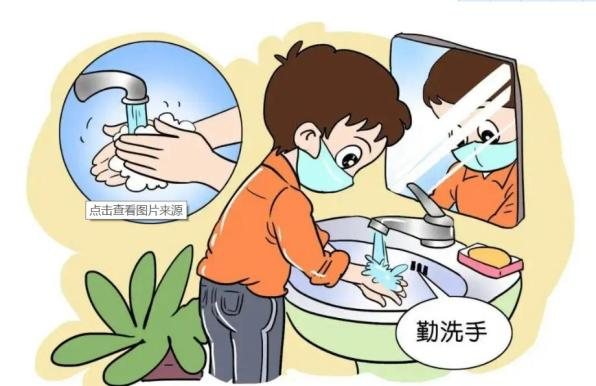
2. Cleaning hands
Respiratory genres such as slugs, sluice, foam and excreta of people with infectious diseases contain a large number of pathogens that are likely to be transmitted to healthy people through hand-exposures and excreta, with particular emphasis on hygiene。
3. Drink regularly
In particular, during dry climates, high levels of dust in the air, susceptibility to damage to human nasal mucous membranes, drinking water, keeping the mucous membranes wet, effectively resistant to virus intrusion, also contribute to the excretion of toxins in the body and the purification of the body environment。
Supplementary nutrition
Appropriate increase in water and vitamin intake. Pay attention to supplementing foods of high nutritional value, such as fish, meat, eggs, milk, and enhancing the immune function of the organism; eating more fresh vegetables and fruits rich in vitaminc, medium and in vehicular toxins, increasing resilience and resistance。
Five, watch your life
Make sure you get enough sleep. Living irregularly reduces the functioning of the immune system; adequate sleep removes fatigue, regulates human functioning and increases immunity。

6. Avoid going to areas of concentration
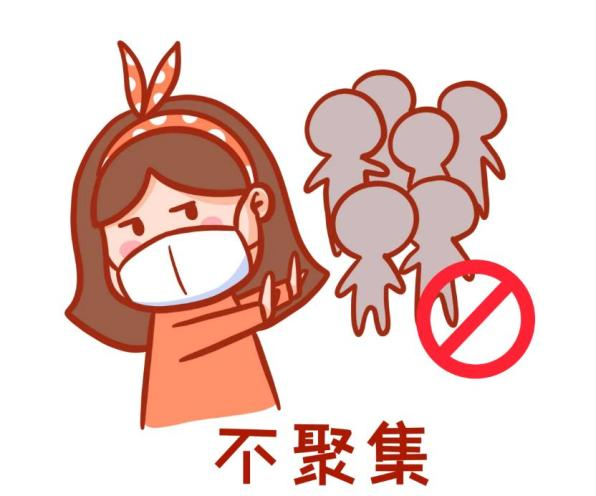
The concentration of people is characterized by poor air quality and inadequate ventilation, as well as a high risk of infectious disease in places where the population is concentrated, and thus avoid going to places where the population is concentrated。