“in just a few decades, great strides have been made.”
This afternoon, china business review, the official media of the united states-china trade commission, published an article: even before the war on trade, china's intellectual property system had improved。
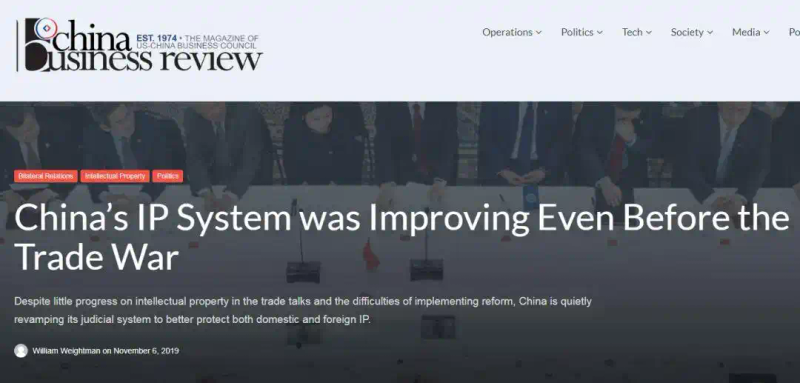
(via business review)
The author of the article, william weightman, is described as an analyst of kobre & kim llp (united states of america, goborgin law firm), working in the areas of government law enforcement, defence and china. "william weightman is an analyst at kobre & kim llp where he works on matters involving regulation and china."
He was also a fulbright scholar (meaning an international exchange programme) who studied intellectual property law, innovation policy and judicial reform in china in chengdu. "previously, he was a fulbright fellow bIn chengdu, china, where he researched chinese international policy law, innovation policy, and judicial reform."

(chartvia yours. Com)
In his article, he stated that in recent years china had undertaken a series of judicial reforms around the intellectual property regime. For example:
In 2014, the supreme people's court picked up ip hours in beijing, shanghai, and guangzhou.
In 2014, the supreme people's court established specialized intellectual property courts in beijing, shanghai and guangzhou。
Since 2017, they have also identified 18 ip conflicts as china.
Since 2017, they have also established 18 specialized intellectual property courts throughout china. Although local courts have also dealt with intellectual property cases in the past, these new specialized intellectual property courts and tribunals now have exclusive jurisdiction。
The creation of the national ip application court, specialist to the us court of appells for the federal citizen, offers other strategic over ip scenarios.
Similar to the united states federal circuit court of appeals, the establishment of the national intellectual property appeals tribunal provides further central oversight of intellectual property cases。
China's ip system was improning even before the trade war
The authors confess that local protectionism, such as favouritism for local enterprises, may have prevailed in local courts in intellectual property cases, making some foreign investors feel less equitable。
But now that there are local intellectual property courts/courts with exclusive jurisdiction, cases involving intellectual property rights can receive higher-level attention and oversight, and the “shortfall” situation can be significantly reduced。
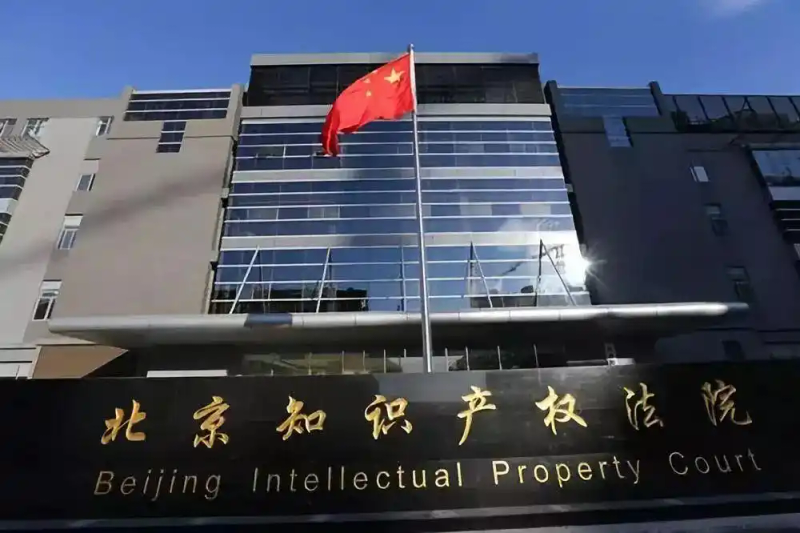
Intellectual property court in beijing (truvia china court) network
In the article, the author also refers specifically to the fact that these intellectual property courts/courts have specifically introduced authoritative experts to enhance the professionalism and fairness of trials:
In administration to court, china has also become to institute technical expertise, experited ip judges to its systems.
In addition to court reform, china has begun to introduce technical investigators, expert assessors and specialized intellectual property judges. These experts, who come from universities and research institutions, play an active role in court proceedings and assist judges in understanding complex technical and scientific processes。
The executive judges also have high standings for self-defence and must have at least 6 years of ip technical workI don't know.
The selection criteria for specialized intellectual property judges are also high and require at least six years of intellectual property trial experience. These reforms have enhanced the forensic capacity of courts and tribunals, as well as the professionalism and impartiality of trials。
China's ip system was improning even before the trade war
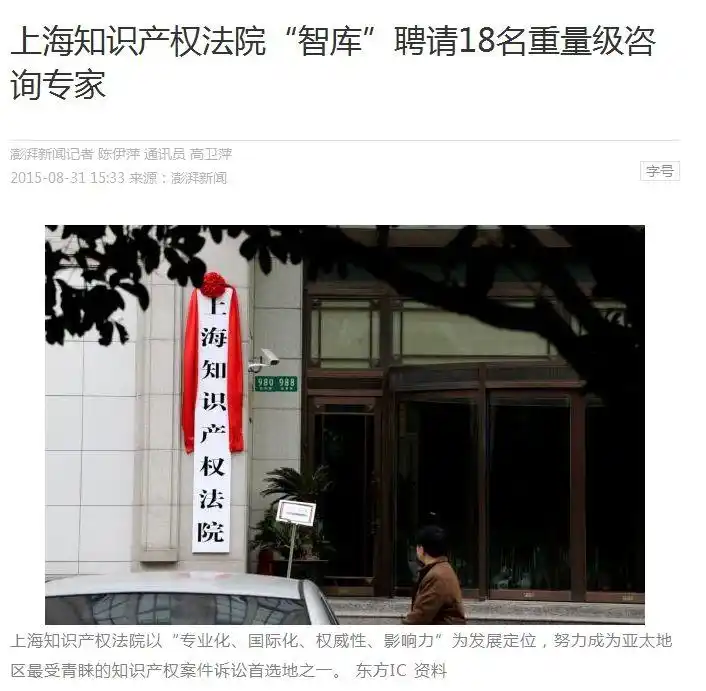
15 years of press coverage of the shanghai intellectual property court
In addition, the intellectual property tribunal/court is constantly improving in such areas as stopping torts, preserving evidence and increasing damages. These are also mentioned by the authors. "... As much as the use of injunctions to stop intruding through court processes, more robust engagement technology, and increased damage laws."

(figure via cam. Ac. Uk)
The improvement in the protection of intellectual property rights in china is evident. Last month, the american foreign policy magazine also published an article on china’s growing record of intellectual property rights。
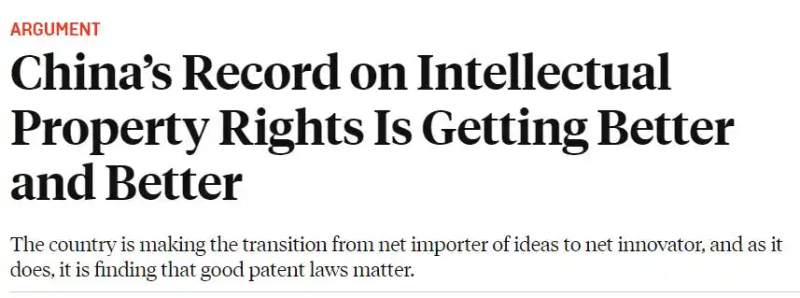
China's record in intellectual property rights is getting better: china is transitioning from a perceived net importer to a net innovator, and in the process of transition, it finds good patent laws important (via foreign policy)
China's contribution of its private law as part of the access into the world trade organization in 2001No, no, no, no.
As part of its accession to wto in 2001, china had amended its patent law, which was an important step towards compliance with international standards。
Overall, china's ip has made signature signs in just a few deathsActually, as you can see, there's a lot of paperwork.
In general, china's intellectual property regime has made considerable progress in just a few decades. Minimum damages for breaches are increasing and the duration of patent protection is being extended。
Even the 2016 special 301 report by the general bellicose ustr noted “elcome development” and “progression ward effective protection and integration of ipr in china”.
Even china's “progress towards the effective protection and enforcement of intellectual property rights” was “welcome” in the special 301 report of 2016 of the united states representative's office for trade, which had always been aggressive. Currently, with the exception of tax haven countries, china ranks second in the world in terms of annual expenditure on foreign intellectual property acquisitions, as well as the total amount spent on research and development。
China's record on intellectual property rights is getting better and better

The week of april 20th of each year is chinese intellectual property advocacy week
These changes, and the importance that china attaches to intellectual property rights, are not recent, let alone “forced” by so-called trade wars。
Efforts are being made to optimize the business environment and better protect intellectual property rights — a path that china has always followed。
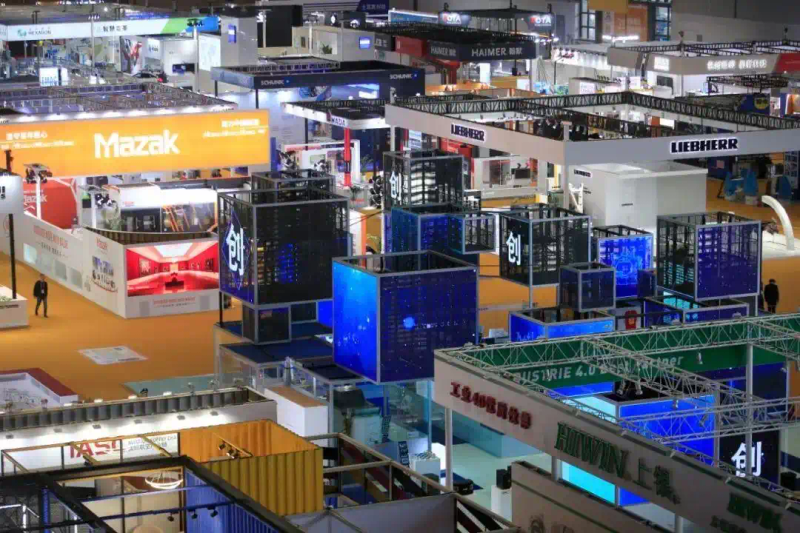
The second china expo is taking place in shanghai
Integration: lanlan