Mastery of basics in mechanics
The importance of mechanics as the cornerstone of mechanical structural design and analysis is self-evident. In further exploring the mystery of mechanical structures, we must first have a solid basic knowledge of the following critical mechanics:
> static
Geodynamics is a discipline that explores the principles of balance conditions, balance and decomposition of power of objects, and the principle of leverage. In the design of mechanical structures, electrostatics provides us with the means to analyse and calculate the strength of the parts, thus helping us to determine the appropriate size and shape of the parts。
> dynamics
Momentology focuses on studying the patterns of motion demonstrated by the force of the object. In the area of mechanical structure design, the knowledge of kinetics is particularly important as it helps us to ensure the stability of mechanical systems in their operation, thereby effectively preventing vibrations and resonance problems caused by inappropriate stress。
> material mechanics
The material mechanics focus on exploring deformations and patterns of destruction of materials in response to stress. The selection of suitable materials is essential in the design of mechanical structures, which requires a combination of characteristics such as strength, rigidity and resilience of materials. Ensuring that the selected material can withstand the forces of mechanical systems and remain stable over a long period of time without deformation or damage is the core task of material mechanics in mechanical structure design。
> thermodynamics
Thermodynamics focuses on the patterns and principles of transformation between energy and heat. In the field of mechanical structure design, the full understanding and application of thermodynamic principles is particularly important, as mechanical systems inevitably produce heat during operation and are accompanied by energy transformation. By in-depth study of thermodynamics, we can better ensure the stability and sustainability of mechanical systems。
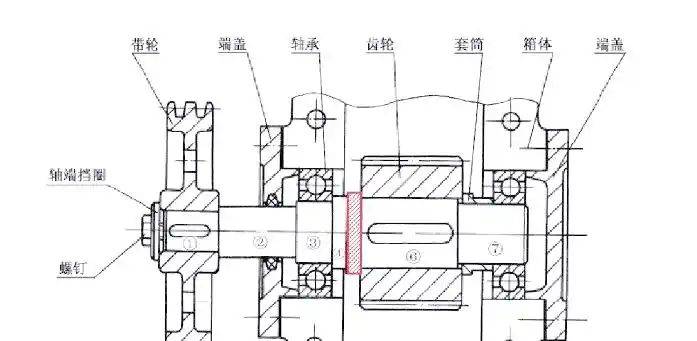
02 mechanical structure analysis method
An in-depth analysis of the structure of the system is an indispensable link before the mechanical design is initiated. Such an analysis is intended to reveal the state of the system's resilience during its operation and to assess its stability. Several commonly used mechanical structural analysis methods are described below:
> limited meta analysis
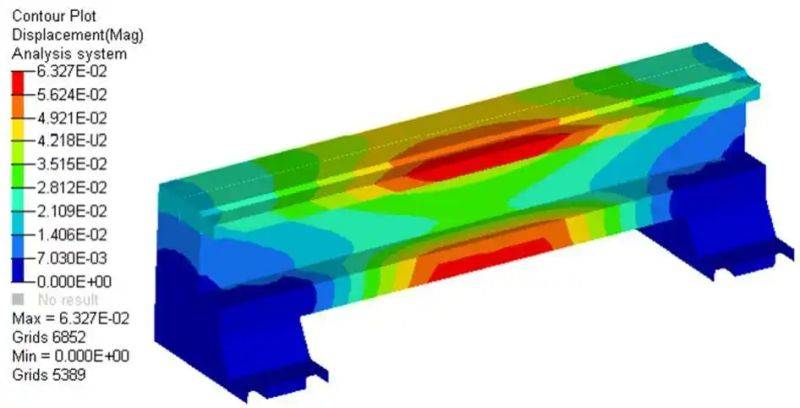
A limited meta-analysis is an important method of numerical calculation, which is used mainly to solve the problem of strength and rigidity of mechanical structures. By dividing the structure into a large number of small units, and analysing the stress profile of each of the subunits on a case-by-case basis, the absorption distribution of the entire structure is derived. This approach applies not only to the analysis of static performance, but also to the exploration of power performance, and is thus widely applied in the area of mechanical design。
> geodynamic analysis
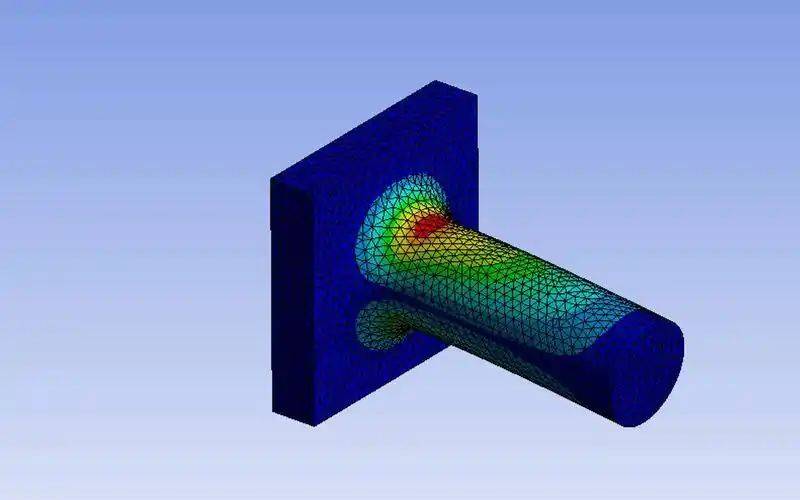
Geodynamic analysis is a detailed study of the stress profile of mechanical structures using mechanics and equations. By analysing the strength of each component and its distribution on a case-by-case basis, electrostatic analysis is designed to ensure that the mechanical structure remains secure and stable in a state of stress。
> dynamic analysis
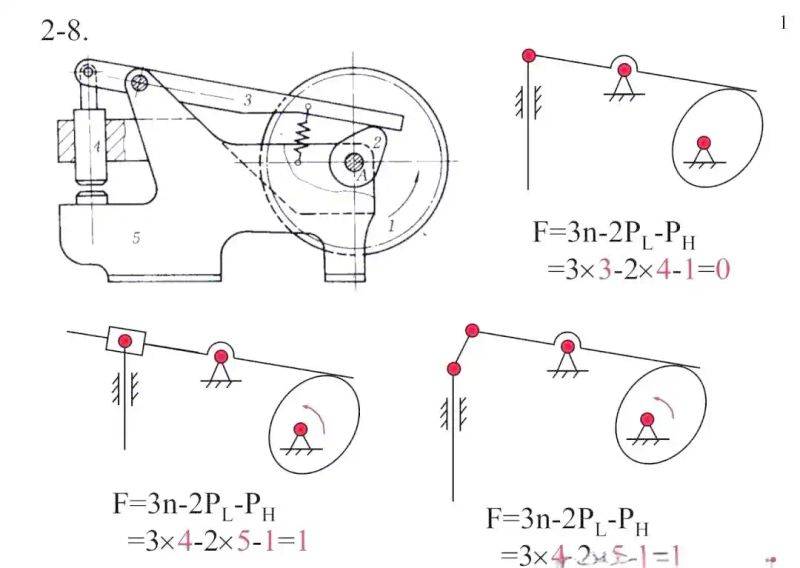
Dynamic analysis is a method of using the kinetic equation to study mechanical structural motion properties. In the analysis, it is important to ensure the smooth and efficient operation of the mechanical system by taking into account the multiple factors of inertia, centrifugal power and inertial force。
> thermal analysis
Thermal analysis is the process of using thermodynamics to study heat transfer in mechanical structures. When mechanical systems work, large amounts of heat are generated and heat is dispersed to the surrounding environment. Thermal analysis is particularly important in order to ensure thermal balance and stable operation of the system. It involves in-depth exploration of the chain of heat generation, transmission and dispersion and provides strong support for mechanical structure design。
Basic principles of mechanical structure design
A set of core principles must be followed in the design of mechanical structures to ensure that the products designed are sound and reliable. These principles are widely applied and recognized in the area of mechanical engineering。
> structure simplicity
In the design of mechanical structures, we seek the simplicity of structures. This means minimizing the number of spare parts while reducing the complexity of the structure. Such a design would not only help to reduce costs but would also simplify the maintenance process and enhance the overall stability and reliability of the system。
> guarantee structural strength and intensity
In the design of mechanical structures, we must ensure that the structures are sufficiently strong and rigid to guarantee the stable functioning of the system. This requires us to carefully select the appropriate material and adopt a reasonable structural configuration, based on the actual working conditions and stress characteristics of the system, so as to ensure that the structure is able to maintain its integrity and stability as it withstands external forces。
> light quantification design considerations
Light quantification is an important consideration in mechanical structure design. It is designed to ensure that structural strength and intensity are not affected and that the weight of the structure is reduced to the extent possible, thus reducing the inertia and energy consumption of the system. Through light quantitative design, we can improve the overall efficiency and energy efficiency of the system。
> ensure structural reliability
The potential impact of multiple factors on structural reliability must be considered in the mechanical structure design process. The key is to ensure that the system is stable and non-defunct or damaged in the face of working conditions. In keeping with that principle, we will be able to build mechanical systems that are both rational and reliable and thus meet the demands of efficient operations。
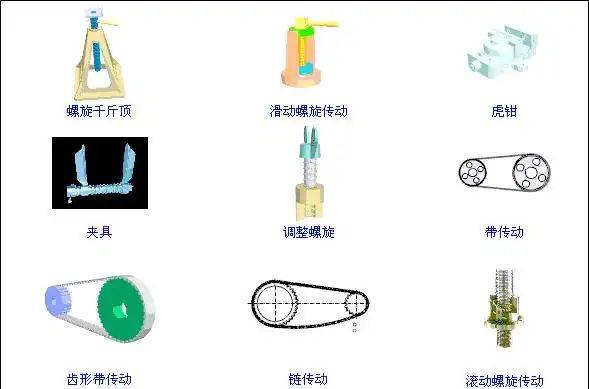
Critical role of material selection in mechanical structure design
The design of the mechanical structure involves not only structural construction but also material selection. This link is critical because different materials exhibit different physical and chemical properties, such as strength, rigidity, resilience, millability and durability. These properties will directly affect the performance and lifetime of mechanical structures. Therefore, in the design, we must carefully select the most suitable material according to specific working conditions and performance requirements to ensure the reliability, stability and durability of mechanical structures。
> application of metal materials in mechanical structure design
Metal materials such as steel, aluminium, copper and cast iron are an integral part of mechanical structure design. They are able to adapt to complex work environments with remarkable intensity, rigour, resilience and resilience. Thus, metal materials have always been important in mechanical structural design。
> application of alloy materials in mechanical structure design
The alloy material, which is carefully integrated between two or more metals and other elements, displays excellent characteristics and performances, particularly in special cases where material performance requirements are extremely stringent. In mechanical structure design, alloy materials such as stainless steel, aluminium alloy, titanium alloy and nickel-based alloy are widely used。
> applications of non-metal materials in mechanical structure design
Non-metal materials, such as plastics, ceramics and composites, also occupy an indispensable position in mechanical structure design. They are light, corrosive and insulated and are well suited for use under special conditions. The selection of suitable non-metal materials is essential to ensure the stability and long-term use of mechanical systems。
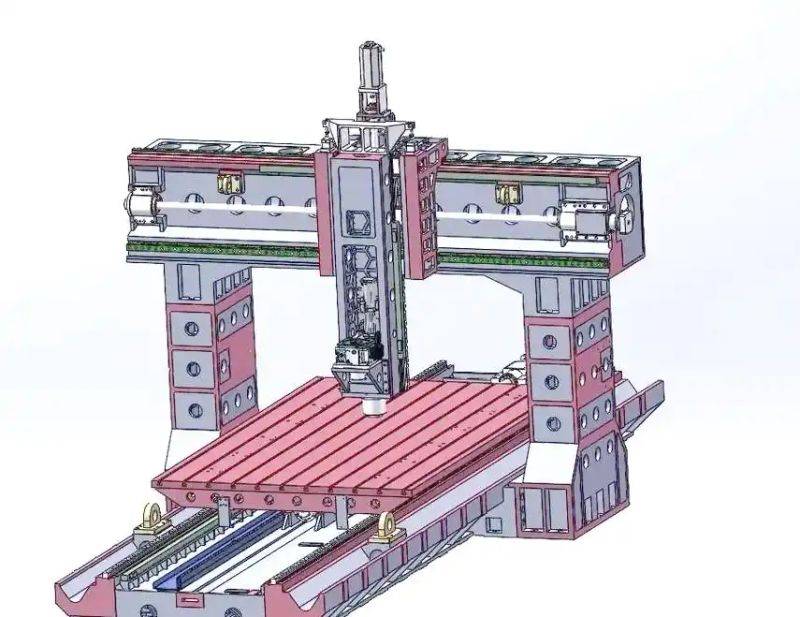
Connectivity of 05 mechanical structures
In the design of mechanical structures, connectivity is a key element that involves the close integration of components. The choice of the appropriate mode and form of connection is essential because they directly affect the performance and stability of mechanical systems. Depending on the different work needs and conditions, we need to carefully select appropriate connectivity options。
> bolt connection
A bolt connection is widely used in mechanical structure design because of its simple installation and dismantling properties and the robustness of its structure. It applies to a variety of work scenarios, and the intensity and intensity of their connection can be further optimized by adjusting the specification and sharpening of bolts。
> weld connection
Weld links, with their structurally strong and closely connected characteristics, are widely applied in conditions that require high intensity and rigidity. The selection of appropriate welding materials and welding processes is key to ensuring the quality of connections。
> collapse connection
The cone distribution connection is widely used under various conditions because of its simple installation and dismantling properties and its structural reliability. The strength and intensity of the connection are affected by the specific specifications of the sale and the manner in which it is installed。
> lock connection
Locked connections, with their simple installation and disassembly features, as well as structural stability, are indispensable applications in many situations. The strength and intensity of the connection are mainly affected by the design of the locking device and the selected material。
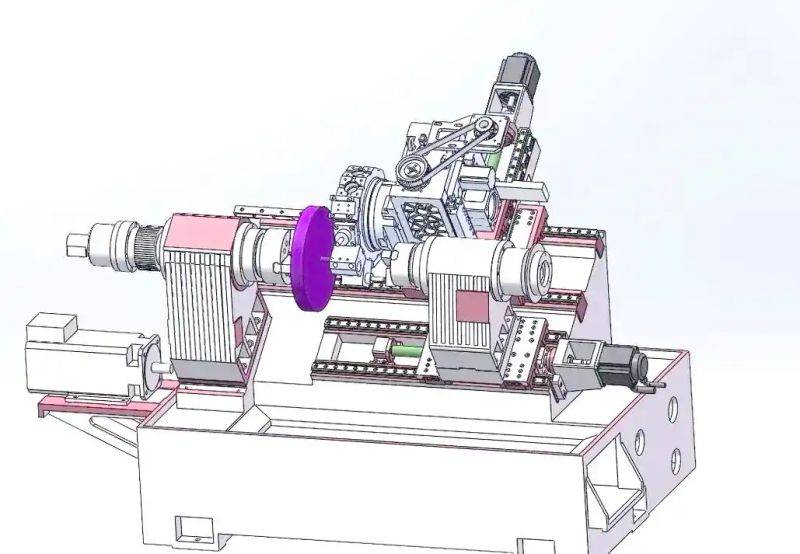
06 maintenance of mechanical structures
During the design of the mechanical structure, the support is considered to be a vital link in the support and positioning of the various components of the mechanical system. Since each form of support has its own unique characteristics and scope of application, the choice of the form of support must be based on the specific work environment and needs。
> slide support
Slide support is the type of support that is common in mechanical structures and relies primarily on friction between parts to provide support and positioning. This type of support is characterized by relatively low friction resistance, smooth motion processes and well suited to work environments that require high precision and stability。
> scroll support
Rolling supports occupy an important position in the mechanical structure, which provides support and positioning functions through rolling frictions between parts. This type of support, which is characterized by low friction resistance, smooth movement and long life, is satisfactory in a high-speed rotation and high load working environment。
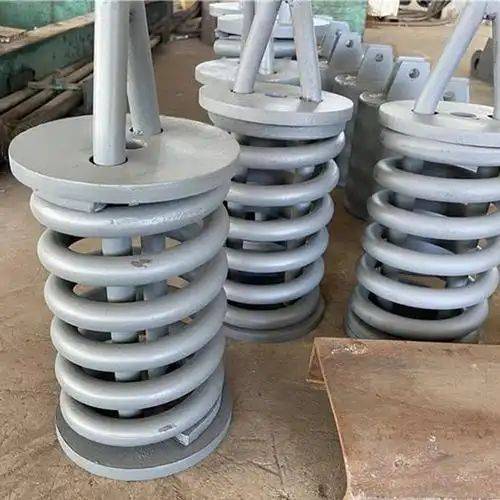
> spring carried
Spring bearings, a widely used support method, support and positioning between parts by spring force. It is unique in terms of seismic, inhaling and compensatory functions, which are well suited to complex conditions that require the reduction of shock and vibration。
> hydraulic support
Hydraulic support, an important form of support, supported and positioned between parts using liquid pressure. Its characteristics include uneven stress and excellent stability, particularly in relation to complex conditions that require heavy loads and high stability requirements。
07 design and construction of mechanical structures
In proceeding with the design of mechanical structures, full consideration must be given to the manufacturing and maintenance of structures, with the aim of reducing manufacturing and maintenance costs from the design stage. The following are some of the key technical elements of mechanical structure design and construction:
> design software application
In the process of mechanical architecture design, designers usually use solidworks, pro/e, autocad, etc. To design software. These software not only provide powerful modelling functions, but also perform structural analysis and simulations, thus greatly improving design accuracy and efficiency。

> advantages of digital processing techniques
Digital processing techniques, known for their efficiency and high accuracy, can easily respond to the processing needs of complex components, thereby improving their overall quality and accuracy。
> innovation of materials and processes
With the rapid evolution of technology, new materials and processes, such as high-performance composites, laser welding and 3d printing technologies, have emerged, creating unprecedented possibilities in the areas of design and manufacturing。
> rise of automated manufacturing technologies
Automated manufacturing technologies, with their efficient and energy-efficient characteristics, are gradually becoming new to the manufacturing industry. It enables the automated operation and management of production lines, significantly increases production efficiency and helps enterprises to reduce production costs. This technological point holds a significant place in the design and manufacture of mechanical structures, and its application allows the design accuracy and manufacturing quality of mechanical systems to be significantly improved, thus better adapted to the complex work environment。