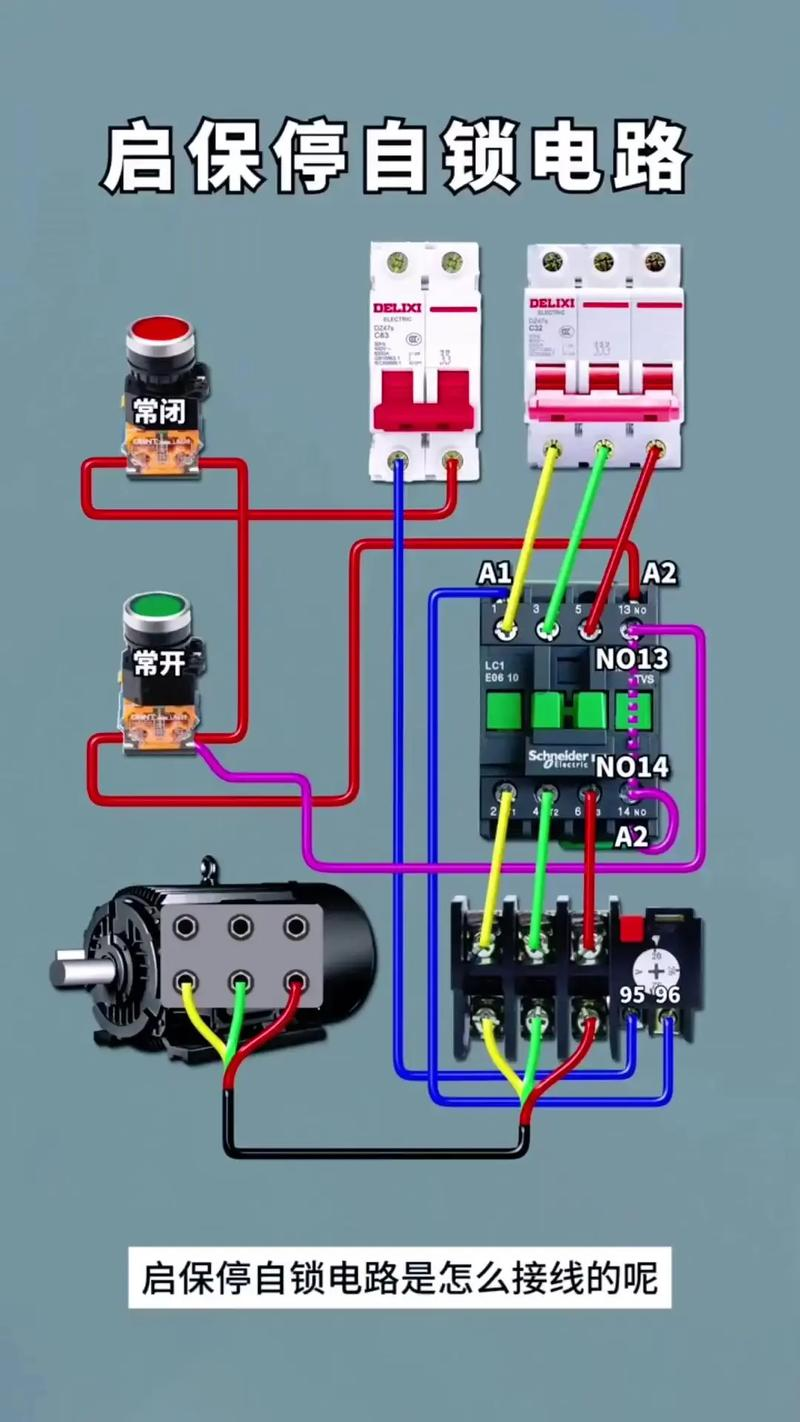
Zou jiben exchange welder is a commonly used low-pressure electrical device that is most widely used in construction, metallurgical and mechanical manufacturing. It is mainly used for welding of iron and steel materials, which is characterized by frequent breaks in working hours and long hours of empty operation. Due to the long lead of the welder when welded in general and the distance of the point of operation from the power source, in particular the high altitude operation when welded in buildings, it is difficult to disconnect the power when the welder is empty. Welders automatically stop when they are on board and start automatically when they are welded, not only to reduce the loss of the vehicle but also to increase the average power factor. Usage exchange machines typically use single phase relief transformers with primary voltage of 380 v or 660 v, secondary voltage of 60 ~ 75 v and secondary voltage of 30 - 40 v during welding. Space-mounted self-detonation units typically use the contact unit as the primary control element, using a pressure-relief method to obtain a sensor signal on the sub-circle of transformers, as a condition for controlling the main element, so that the self-detonation mechanism automatically connects and cuts the transformer power to act as an automatic switch. Welding can be welded when the stopper automatically closes; when the welding exits the work, the stopper is cut off over time, limiting the empty operation of the transformer and reducing the empty wear and tear of the transformer. The purpose of the breakout is to prevent frequent movement from the station when candles are stopped at short notice, to increase the number of transformer shocks, and to ensure that welding is not altered and that welding needs are met. Depending on the sensor signal, there are two types of space-borne self-detonated devices: current and voltage. Flow-type air-borne self-defunct devices figure 1 is the current-type communication welder empty self-defunct control circuit, the bh is the welding transformer in the figure, the power-resistor l is installed in bh's secondary loop circuit to obtain electrical influenza reaction signals, sensor signals are integrated through the diode d stream, the provision of time-delay circuits, and the time-delay circuit consists of tripolar tubes bg, caps c3, c4. The small straight-flow relay k, k's open point control communication contact point (cact) km, determines whether the welder is capable of powering. The direct current power source for the control component consists of transformers and whole-stream bridge d1, filter circuits, etc. The process is as follows: the switch qa is closed first, the contact point km is disabled, the contact point is disconnected, and the primary circuit of the welding transformer bh is relayed to the power source via the capacitor c1. As a result of the relief of the capacitor, the primary circuit of bh runs over very small empty currents, with the sensory voltage of about 40v at both ends of the secondary circuit of bh. When welds come into contact with the work unit welding, the l side of the current intersensor puts the sensor at 1-3v voltage, complete and then added to the triode bg base, bg conductor, small relay k inhaling, communication contact point km wire is wired, frequent contact closed, and the primary circuit of the welder bh is delivered directly to the 380v power source and the welder works normally. When welds are removed from the work, the l side is not subject to sensory voltage, but due to the discharge of the c3 and c4 caps, the tripolar bg remains open and, if welded over time, the k, km are continuously charged and the welder works. The c3 and c4 discharge is terminated, the tripolar bg is closed, the k, km loop is cut off, the performance trigger is cut off and the welding transformer bh is cut off, acting as an automatic empty stop. A voltage air-mounted self-control circuits, 1k for voltage, 6v for wire, 2k for voltage type