


- molecular formula: c5h12o
- molecular weight: 88. 15 g/mol
- appearance: colorless liquid
- smell: special smell of similar ethers
- melting point: -109. 6°c
- boiling point: 55. 2°c
- density: 0. 74 g/cm? (20°c)
- solubility: soluble in water and many organic solvents
Chemical properties:
- mtbe is an ether-like compound which contains a meth- and a thbutaki-group in its molecules。
- it is a more stable compound that is not prone to spontaneous chemical reactions。
- at constant temperatures, mtbe is relatively inactive and not easily reacts to most substances. However, it can be used as a solvent in many organic synthesis and extraction processes。
3. Application:
- mtbe is used mainly as a gasoline additive to improve the octane value and burn efficiency of gasoline. The addition of mtbe will improve the combustion performance of gasoline, reduce tail gas emissions and reduce pollution from motor vehicles。
- it can also be used as an organic solvent for industrial applications such as coating, glue and printing ink。
- mtbe can also be used as a extraction agent for separation and purification of compounds in the chemical pharmaceutical industry。
It should be noted that mtbe may be exposed to water bodies in certain specific circumstances, such as pollution from leaking underground storage tanks or from improper disposal. Because of its relatively good solubility and volatility, mtbe may pose potential risks to the environment and its use is restricted and regulated in some areas. Therefore, relevant environmental protection regulations and safety operating guidelines are required for the use and disposal of mtbe。
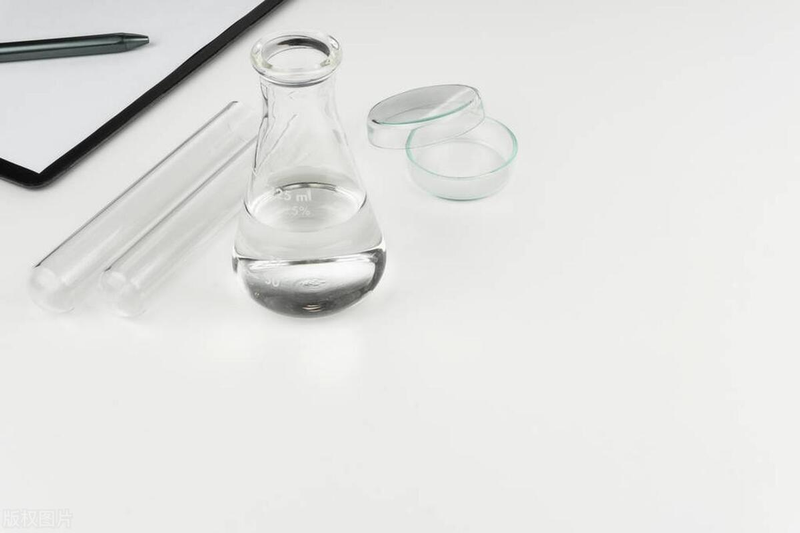
Methamphetamine
Methamphetamine (mtbe) is typically combined with methanol and tbutol, which react under acid catalysts. The following is a common synthetic route of methyl tert-butyl ether:
1. Preparation materials and equipment:
- methanol (ch3oh)
- tbt (c4h10o)
- acid catalysts (e. G., sulphuric acid, phosphate, aluminium chloride, etc.)
- high pressure response
- the cooler
- separation equipment (e. G. Distillation column)
2. Response steps:
A. Add appropriate quantities of methanol and t-butanol to the high-pressure reaction sheet. The mole ratio is usually 1:1 or close to 1:1。
B. Add appropriate acid catalysts as catalysts. The commonly used acid catalysts are sulphate, phosphate or aluminium chloride。
C. Seal and react。
D. The reaction is usually performed at high temperature and pressure and can be performed at temperatures of 150 - 200 °c with pressure of approximately 2 - 10 mpa。
E. Controlling response time, depending on the response process, usually takes several to ten hours。
3. Separation and purification:
After the reaction is completed, the reaction mixture is cooled for separation。
B. Separation of the target product mtbe from the reaction mixture by distillation technology. Mtbe has a boiling point of about 55 °c, lower than methanol and t-butol, so this difference can be separated。
C. Further purification may be done by sedimentation, crystallization, extraction or other appropriate purification techniques。
It should be noted that as the synthesis of methyl tert-butyl ethers involves acidic conditions, high temperature and high pressure operations, safety knowledge and experimental experience are required for operators and relevant laboratory safety protocols are followed. In addition, issues such as environmental protection and waste disposal needed to be considered in industrial production。
The main uses of methyl tert-butyl ether (mtbe) are as follows:
1. Petrol additives: mtbe is a commonly used petrol additive that increases the octane value of gasoline, increases the efficiency of combustion and improves engine performance. By adding mtbe, harmful emissions from gasoline during combustion, such as carbon monoxide and volatile organic compounds (vocs), can be reduced, thereby reducing environmental pollution from vehicle tail gas emissions。
Solvent: mtbe is widely used as solvent because of its improved solubility and volatility. It can be used as a solvent in industrial applications such as coating, glue, printing ink and cleaning. The dissolved properties of mtbe enable it to dissolve many organic matter and provide efficient dissolution and dispersive effects in some applications。
3. Ripper: mtbe may also be used as a extractor for separation and purification of compounds in the chemical pharmaceutical industry. It can extract active ingredients from natural products, or intermediates and final products for separation and purification of synthetic drugs。
It is important to note that in recent years, mtbe has become the focus of attention in groundwater pollution incidents because of its potential to pollute water bodies in certain circumstances and its volatility and solubility. Therefore, the use of mtbe has been restricted or banned in some areas to reduce potential environmental risks. At the same time, the use of mtbe in gasoline is being gradually reduced in many places, with alternatives being introduced。
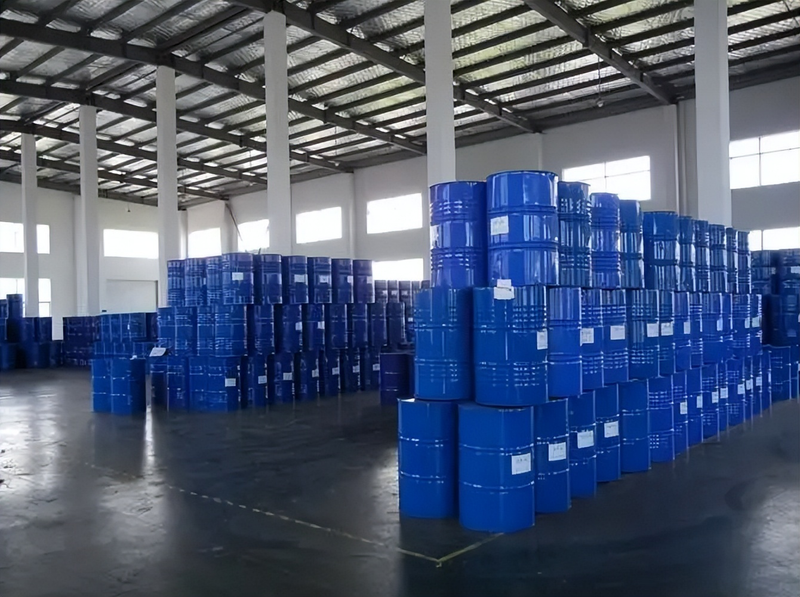
Chemical materials
The storage and transport of methyl tert-butyl ether (mtbe) require the following attention:
Storage requirements:
- mtbe shall be stored in a well-ventilated, dry and cold place, far from the heat source and fire。
- should be stored separately from oxidants, acids and strong oxidants to avoid chemical reactions。
- the container should be sealed in good order to prevent volatilisation and leakage。
- storage areas should be equipped with appropriate leak treatment and firefighting equipment。
2. Safe operation:
- personal protective equipment, such as protective gloves, safety glasses and protective clothing, should be worn when handling mtbe。
- avoid direct contact with skin, eyes and respiratory tracts。
- avoiding sparks, open fires and electrostatic discharges in operations to prevent the combustion and explosion of mtbe。
3. Transport concerns:
- mtbe is a flammable liquid and therefore transport vehicles must comply with the relevant dangerous goods transport regulations and take fire, blast and spill protection measures。
- heavy collisions and frictions should be avoided during transport to prevent leakage。
- transport containers shall be complete, sealed and marked with appropriate hazard markings and labels。
Leakage treatment:
- take immediate measures to extinguish the source of the fire and prevent further leaks in the event of a leak at mtbe。
- absorption of spills with suitable adsorption materials (e. G. Sand, soil or special adsorption) and their proper disposal。
- loading of leaks in suitable containers for disposal by specialized waste treatment agencies。
In general, the storage and transport of mtbe requires strict compliance with relevant regulations and safe operating procedures to ensure physical safety and reduce pollution risks to the environment. If storage and transport operations are uncertain, counselling professionals or relevant departments are advised。
Pregenerative chemistry plays an important role in custom research and development, small molecular development and agricultural and chemical industry raw materials. Precipitous chemistry provides a method for achieving the synthesis of specific compounds, route development and facilitation of trading in other chemical fields. Through the continuous development of precursor chemistry, we are better able to serve our customers, achieve more efficient and sustainable trade-making processes, make chemical materials and reagents easier, faster and easier to trade。



