The b2b models currently used by enterprises can be divided into b2b e-commerce at the level of the intermediate market and b2b e-commerce at the vertical level for physical enterprises。
Level b2b e-commerce for intermediate markets
(1) horizontal websites can concentrate buyers and sellers on a market for information exchange, advertising, auction bids, transactions, inventory management, etc. Level b2b e-commerce, such as ali baba and the global resource network. The concept of “level” is used mainly to refer to the wide range of industries in which many industries can trade on the same site。
(2) profit streams for b2b e-commerce are shown in figure 1。
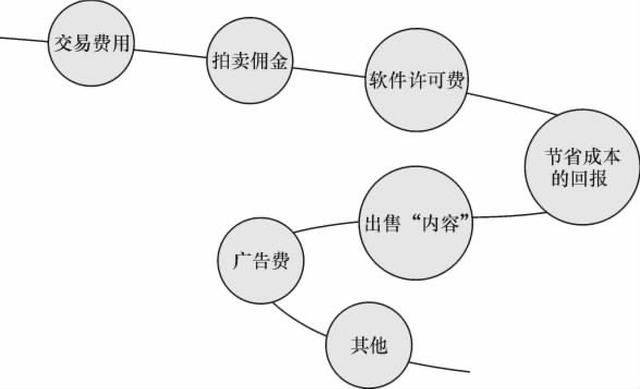
Figure 1
(3) the modalities and course of dealing of the internet commodity exchange are shown in figure 2。
2. Vertical b2b e-commerce for physical enterprises
(1) vertical b2b e-commerce can be divided into two directions, upstream and downstream. Producers or commercial retailers can establish supply relationships with upstream suppliers。
(2) profit flow of vertical websites. Given the professional nature of vertical websites, many of the clients they face are in their own industry, with greater potential purchasing power and greater utility in advertising. As a result, vertical websites cost more than horizontal ones. In addition to flag advertisements, vertical websites can also charge fees through product lists and on the face of online shops。
(3) the key to the success of vertical websites. The most important factor for the success of vertical websites is professional skills. A vertical website is faced with a particular industry, a specific area of specialization, and therefore the site itself should be comparable to that area。
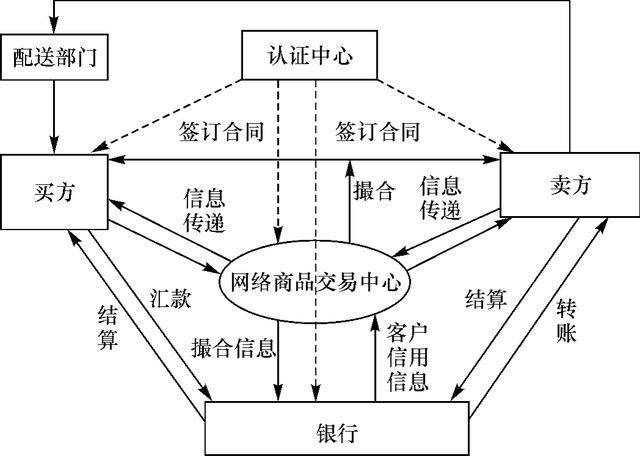
Figure 2
(4) difficulties faced by vertical websites. Operating a vertical website requires deeper expertise. The more specialized the website, the more expensive human capital is needed to deal with a narrow and specialized business, thus realizing the commercial potential of the virtual market。