Health education training
Health education training
♪ i. The requirements for health education in townships
Health education work requirements - plans
# year for focus groups, key health issues for high-risk groups, major awareness days, etc
(c) health education programmes (official documents are the subject of a schedule requiring operationality). Health education requirements - summary
♪ end-of-year summary (official documents are subject to compliance, summary requires corresponding data and impact assessment) for example, with a lot of resources
It is expected that a number of consultations and lectures have been held, as well as several awareness-raising sessions, as well as an increase in the level of knowledge and formation, health education coverage, etc。
Health education requirements - dissemination of information
# printed materials (including health education brochures, prescriptions and hands) available to the population throughout the year in no less than 12 different formats
Books, etc., with information materials on chinese medicine, chronic diseases and mental health, are placed in health clinics, outpatient clinics in community health centres or drop-in halls。
♪ there's to be a record of the release
Basic registry of annual images
Requirements for health education - information column
# two columns in the health centre: 1. 5 - 1. 6 metres above ground height, not less than 2 m2 per block
It is important to be visible: the streets of the town can also be set up in the halls, aisles, etc。
♪ the content of each column is replaced by no less than six issues, requiring at least one separate issue of chinese medicine management and slowness
Prevention and treatment of diseases。
# the content of each issue is complete, including topics, duration, content, dates, organizers, etc. # the information is collected, including logs, floors, date photographs。
Health education work requirements - counselling activities
♪ use health theme days (e. G. World sleep day, world tuberculosis day, world aids day, world aids day)
Mental health days, national vaccination days, national high blood pressure days, national diabetes days, etc.) or health education campaigns and counselling campaigns targeting priority health issues in the districts。
♪ requests are made no less than nine times a year to regularize the collection of information; log sheets, events, date photographs, distribution
The information base, briefing or summary elements must be complete (time, place, participants, content, effectiveness, etc.) and should be signed up for specific groups。
♪ better have banners reflecting the theme of the advocacy consultation this year。
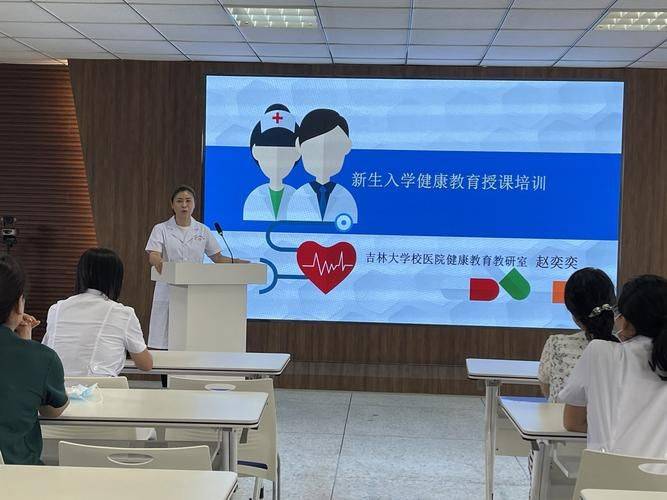
Health education requirements - health information lecture
♪ no fewer than 12 health education lectures per year and no less than 50 health clinics in the centre for the number of speakers
No fewer than 30 people in the remaining towns。
# photos require not to print in full, two copies per a4 page limit, and to reflect the whole scene of the event, e. G
Lectures are given by lecturers and listeners; they must not be signed in one place。
♪ data-gathering norms: notifications, lessons (which should include priority diseases, chronic diseases, serious diseases, health for all)
Date photographs, resident sign-ups, satisfaction questionnaires (one each), job brief or summary elements (time, place, participants, content, effects, etc.) a healthy house
# 1, not less than 30 square metres, preferably on the first floor。
♪ 2, data cabinets, high weight gauges, sphygmomanometers, waist measuring, bmi feet, food tower wall charts, oil control
Tools such as salt-limiting tools, data setup, promotional materials
♪ 3, information posted on walls (use of instruments, health indicators, health indicators for the whole population 1
(a) action topics, slogans, etc.)
Recommendations for health education
#1, health education plan for the town (document with detailed schedule)
? 2. Summary of health education throughout the year (including basics, problems, achievements, future intentions)
Wait a minute
♪ 3. Replacement of log sheets (photo or background) for the health promotion columns in towns and villages i'm not sure
♪ 4, the recording of videos and the date photographs。
♪ 5. Records of health promotion and counselling activities, each including health activity logs, date photographs, distributions
Information materials, bulletins or summaries should also be registered for specific groups of the population, for health-related days, including infectious diseases and awareness-raising in schools。
♪ 6. Records of health-related lectures, each of which includes a health-related activity log and the original content of the lectures response
These include priority diseases, slow diseases, rational diets, chinese medicine, etc., which can include priority management groups and specific groups of the population, date photographs, residents'sign-ups, assessment of the satisfaction of the population with the lectures, and job profiles. (may also include lectures at school)
♪ 7. Registration form for distribution of health information in sub-villages
♪ 8, health education printed materials (no fewer than 12 throughout the year, including chinese medicine, infectious diseases, chronic diseases and
Originals, video records (no fewer than six throughout the year, with names and photographs, etc.)。
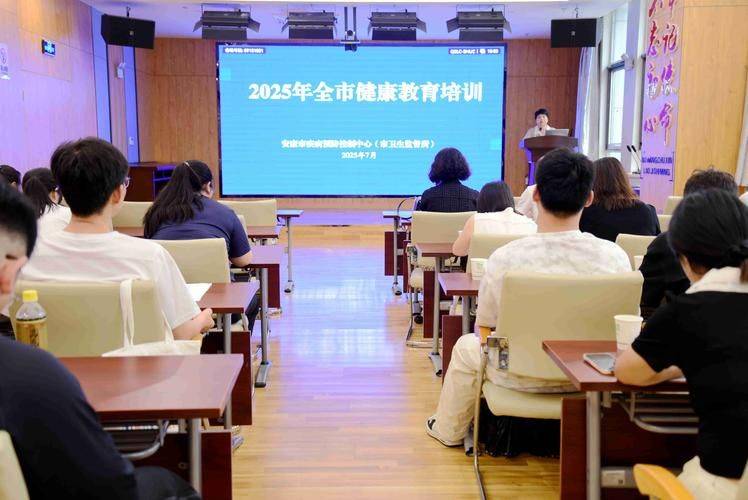
Requirements for village health education
♪ work plan at the beginning of the year (with master plan) and summary at the end of the year (with general summary i)
Start
# health education lectures, once every february, with no less than 10 participants each, and with rural health centres
No fewer than 50 people have been co-organised, six times throughout the year, with the same information requirements as in township health centres (programmes of activities, notices, activity logs, course packages, book entry, satisfaction questionnaire, training summaries or fact sheets, date photographs)。
♪ there's a propaganda column at the village station (the blackboard newspaper, too), not less than 2 m2 and at least 1. 5 m2 away
Rice, the promotional column must include the theme, host, date and duration, be replaced at least once every february, and each issue must regulate the collection of archives, including photographs。
~ targeted individualized health education for key populations such as chronic diseases and registration。
# there are at least 12 types of health education materials (both superior and home-made) in each village, which are to be registered。
Health education must include 12 basic public health components such as chinese medicine, chronic diseases, serious mental illness, maternity, childhood and the elderly, infectious diseases (including at least leprosy, tuberculosis and aids)。
Title ii: health education training (phase vii)
Training
Time: place:
Lecturer:
Training:
Health literacy of chinese citizens - healthy lifestyle and behaviour
44. Food that is not spoiled and that is beyond its shelf life。
Food preservation period, which refers to the duration of maintenance of food quality (quality) under the conditions indicated on the food label. During this period, the quality of the food conformed to the labelling or product standards。
Any food is stored for a period of time, which can be contaminated or spoiled by excessive or inappropriate storage. Contaminated or spoiled foods cannot be eaten. The food is kept in the refrigerator for long periods of time, and it also changes in quality; when keeping food in the fridge, care is taken to separate it from it and to store it。
Don't eat expired food. Do not eat food that does not have the exact name, address, date of production and shelf life of the manufacturer on the logo。
45. When a woman is pregnant, she is examined in a hospital in a timely manner, at least five times during pregnancy, and in hospital for delivery。
Women should visit hospitals in a timely manner after pregnancy is determined and a “mother and child health manual” should be established. At least five prenatal visits are conducted during pregnancy, one in the early stages of pregnancy, one in the medium term and three in the late stages of pregnancy (one in the 36th week). The purpose of the examination is to obtain information on the physical and psychological changes during pregnancy and the development of the foetus, and to provide guidance on the health care during pregnancy. The number of visits, early diagnosis, timely treatment or referral should be increased for high-risk pregnant women and their foetuses。
Pregnant women are required to be admitted to a health-care facility with technical qualifications for midwifery, especially for high-risk pregnant women. Hospitals can provide scientifically regulated midwifery services and treatment and rescue facilities to maximize the safety of mothers and children。
46. Breastfeeding should begin as soon as possible after the birth of the child, with a reasonable addition of supplementary food for six months。
Breastfeeding should begin within one hour of birth. Breast milk is the ideal natural food for an infant and contains the full nutritional requirements of the baby, contributes to the development of the baby, contains a large number of antibodies, increases the immunisation of the baby and prevents infection. At the same time, breastfeeding enhances the emotional relationship between the mother and the child and contributes to the recovery of the mother's health. Breastfeeding should be maintained until the age of 2 or over. After six months, breast milk does not fully meet the nutritional needs of the child, and breastfeeding should be adhered to in a timely and appropriate manner。
The principle of adding food supplements is one to many, ranging from small to large, from small to thick. First one, usually yolk or rice powder, is added, then the baby is used to it and then the second. Start with a small amount and gradually increase. The adsorption form that is beginning to be added should be muddled and gradually transition to solid food. In order to observe the normality of infant poop, no new food should be added to the infant during the period of illness. Added food varieties should be diversified to prevent appetite and anorexia。
47. Children and adolescents should develop good eye habits to prevent near-sightedness and development。
Children and adolescents need to develop good eye habits from an early age to prevent near-sightedness and development。
Read-and-write position to be correct, with eyes not less than 30 cm away from books; read and write continuously or watch television, use computers 1
An hour is required for a brief break, during which he or she looks as far as possible; he or she does not read in an environment where the light is too strong or too dark; he or she does not read in bed; he or she does not walk and read in a moving car。
The daily exercise of eye-health, a reasonable diet, an increase in outdoor sports activities and a minimum of seven hours of sleep per day have a positive effect on the prevention of near-sightedness。
Those who are close-sighted or have other impairments should insist on wearing glasses that are accurate in the light。
48. Workers must be aware of the hazards at work, comply with operational procedures, take care of personal protection and develop good habits。
Work is everyone's basic need, but workers must know that many jobs affect their health and may even cause illness. Harmful chemical substances such as dust, lead, benzene, mercury, etc. May be present in the workplace, as well as harmful physical factors such as noise, vibration, high and low air pressure, ionizing radiation, and excessive exposure of workers to the above-mentioned harmful factors can cause health damage and, in serious cases, occupational diseases such as pneumoconiosis, coalworker dust pulmonary, lead poisoning, benzene poisoning, etc. Excessive exposure to radioactive material at work can cause radiological disease. Workers must have the awareness and knowledge to protect themselves, to know what harmful factors are involved in their jobs, what health damage they can cause and how to prevent them. It is important to know that many occupational poisonings are caused by large quantities of hazardous substances leaked by production accidents, and therefore workers must comply strictly with labour protocols and control the proper use of personal protective devices, such as protective hats or protective clothing, protective gloves, protective glasses, protective mouth (face) masks, ear masks (scraps), respirators and skin protections, and develop habits. It was important to know how to defend, escape, save and save himself after an accident. Long-term exposure to occupational hazards requires periodic occupational health checks and, if chronic occupational diseases are diagnosed, timely treatment to avoid continued high exposure or job transfer。
49. After the birth of the child, vaccination is carried out in accordance with planned immunization procedures。
Vaccination is the basic right of every child to health. In order to protect the health of children, in accordance with the epidemiological characteristics of the disease and the immunisation effect of the vaccine, we have established the national immunization plan and the national immunization plan vaccination procedures, which specify the types of vaccinations planned, the time of vaccination, the interval between vaccinations, the means of vaccination, the doses of vaccination, etc。
We provide children with free national immunization programmes. These include oral polio vaccine, bcg, combined pertussis, diphtheria, tetanus vaccine, combined measles, rubella, mumps, hepatitis b vaccine, hepatitis a vaccine, brain b vaccine, and eight encephalus vaccines. Prevention of 12 infectious diseases。
Upon birth, the child must be vaccinated in strict compliance with the national immunization plan vaccination procedures. Every parent should take his/her child to the vaccine in accordance with the national immunization programme。
50. Proper condom use reduces the risk of contracting aids and sexually transmitted diseases。
The correct use of condoms in sexual contact reduces the risk of aids, hepatitis b and most sexually transmitted diseases. Condoms should not be used again, and they should be broken and discarded each time they are used。
Question for training in healthy lifestyles and behaviour for chinese citizens
I. Filling out of the question (4 minutes per space, 100 minutes)
Food preservation period, which refers to the duration of maintenance of food quality (quality) under the conditions indicated ()。
3. A woman should visit a hospital in time for her pregnancy to be determined and “()” established. At least one prenatal check-up is conducted during pregnancy, one in the early stages of pregnancy, one in the mid-term and one in the later stages of pregnancy (one in the first week)。
The mother () shall start feeding the child as soon as possible after the birth, and () the supplementary feeding shall be reasonably added during the month。
5. Workers must be aware of the existence of jobs, comply with them, take care to develop good habits。
Immunization is the basic right of every child to health. We have developed an immunization procedure for the national immunization plan, which specifies the vaccinations planned (), (), (), (), () etc。
7. Children's vaccinations are provided free of charge in our immunization plans (), (), (), (), (), (), (), ())
() eight. Prevention of 12 infectious diseases。
The correct use of condoms in sexual contact reduces the risk of (), () and most sexually transmitted diseases。