Do you know why the tap comes out when it reaches out? The core is that the electromagnetic valves work behind it, working together to understand how it works。
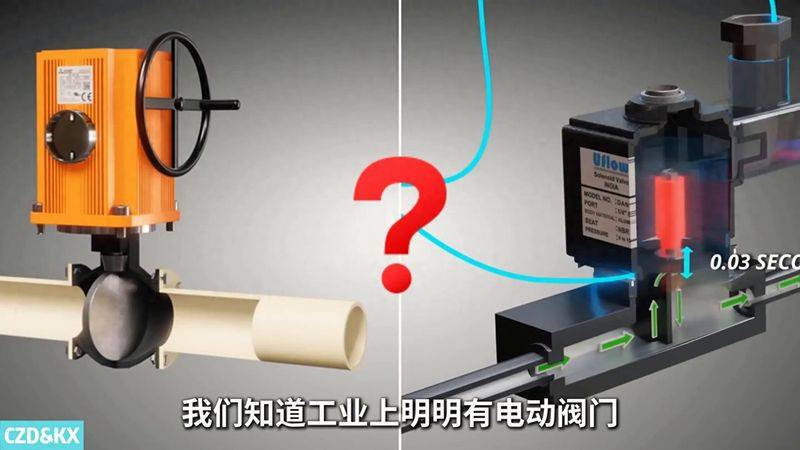
Let me ask you a question. We know there's an electric valve in industry. Why use an electromagnetic valve? The answer is because it's fast and out of line. The normal electric valve takes one second to complete one operation, but it takes 0. 03 seconds, which is equivalent to more than 30 actions per second. It's that speed that's what's making the water tap so fast that you can wash your hands。
Now look at how it works. It has three core components: small iron blocks, electromagnetic wire rings and springs. Small pieces of iron are erected on a pipe, surrounded by electromagnetic wires, with a compressed spring at the top. The spring will press down the little iron, and the valve will be shut down。
Now, with electricity, the electromagnetic wire creates a strong magnetic field in an instant, and small pieces of iron are sucked up and can be precisely directed to the centre of the wire. That's when the valve opens and the water flows out. When the power is turned off, the spring comes back and the valves are shut down for seconds, and the whole process can't keep up。
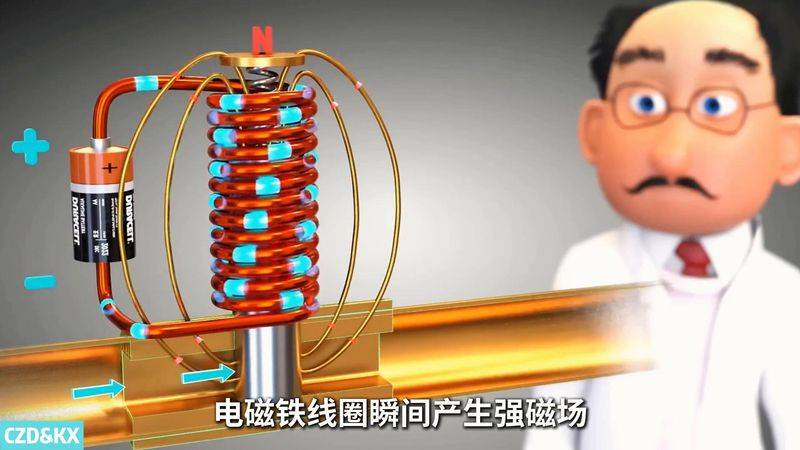
Now the question is, why would a small piece of electric iron pull up? That's because little pieces of iron become temporary magnets after electricity. At first, the small piece of iron was pressed by spring below the water pipe and was not directed at the centre of the wire. At this point, the top magnetic field of the wire is more dense and straight, and the magnetic force is naturally stronger. And the magnetic field at the bottom is curved, and the magnetic force is much weaker. At this point, the upward magnetic force is greater than the downward force, and the small iron blocks are pulled up until they are precisely directed to the centre of the coil。
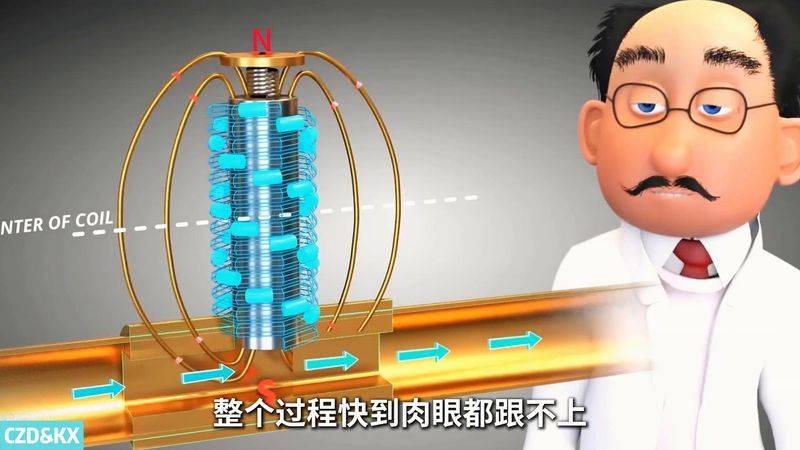
And that's why the little piece of iron pulls itself up. Only two of these interfaces are either on or off, and two states are 2v2 electromagnetic valves. So you understand。
But there's also the problem here: the pressure of the current when the valves are closed may cause a leak of small iron blocks. What do we do? The designer goes up a little bit of the wire and the little piece of iron, and then speeds up the back of the water flowway and uses it to avoid the pressure of the little piece. But there's still a flaw in the design, which is whether the water pressure pushes the iron blocks up or leaks when the valve closes。
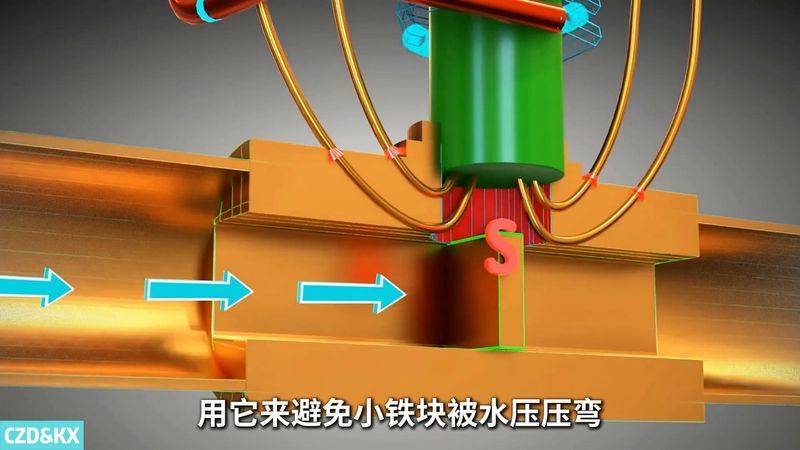
At that point, a two-holed soft rubber film was added, in which the small red hole allowed the water to flow to both sides of the iron block, so that the pressure on both sides was offset and the problem solved. But there's an iron cap on the top of the real electromagnetic valve, which makes the magnetic field stronger and the speed of response double。
In reality, there are not only two two electro-magnetic valves, which are used on switch water. There are also five-by-three electromagnetic valves on the excavator. It is widely used, both in the automobile industry and in the domestic electricity industry. Now you see how great this simple thing is。