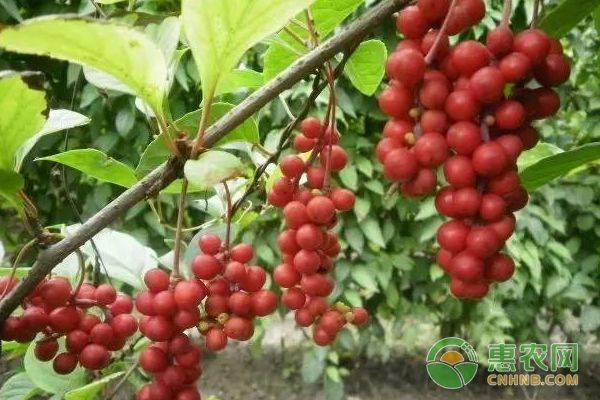
How is the north five growing? The berries of the northern fragrance, which are bright red, juicy, sour and sour, can be processed into natural fresh juice, and they have an exciting effect on the central nervous system and the respiratory system of the human body, mainly in the north-east and north-east, and are thus known as the northern fragrance today。
1 plantation requirements
1. 1 climate
1. 1. 1 semi-vaginal cultivation is chosen, and because of the weak resistance of the northern vivo to the strong wind, it is preferable to plant in areas with wind-proof forests or strong wind。
1. 1. 2 the northern oscillation is a radiant plant, but does not like strong light, and in the month of july-august, the tip of the leaf is dying, resulting in the northern oscillation。
1. 2 soil
1. 2. 1 selection of well-drained, ventilated, fertile and humid sandy soil。
1. 2. 2 water is maintained if ground cover is provided by straw or fallow during self-planting in drylands。
2 reproduction methods
Taste can be produced by seeds, poaching, straining, barging, etc., more often by poaching and seeding。
2. 1 plumbing
2. 1. 1 preparation of slots
Injection uses the strong parts of the root and stem of the previous year, which are cut into 1 m long and transported in plastic bags. When plugs are in, choose the slot, which is 20-30 cm long。
2. 1. 2 period of penetration
October: after fall leaves; before spring in april。
2. 1. 3 plug-in methods
A sprouts were left on the top of the earth, and the rest were inserted into the bed and buried in the earth up to 2 cm. For seedbeds, it can be shaded with sand, decomposed soil, followed by membranes。
2. 1. 4 plugging
It's 24 hours from the top of the mud with clean water。
2. 1. 5 post-intercept management
The water is fully watered, the shade is protected, the light is maintained at 40 per cent, the light is lighted at the root and 60 per cent is guaranteed, and the shelter was removed in late september。
2. 2 seed reproduction
2. 2. 1 seed treatment
The collected seeds are dried and saturated, the saturated treatment site selects a backwind-to-earth location, the 60cm deep dig and then the sand and seed are mixed and buried in the pit, and when the seeds are taken out in spring, the sand is set with sand to wash the skin and other materials with clean water。
2. 2. 2 casting
The soil is covered by sowing, which is 2. 5 times the thickness of the seed and covers straw or hay on the bed。
2. 2. 3 post-relay management
The planting was followed by water every other week and seedlings began in mid-july and late。
2. 3 separation of strains
Fertilizer management was strengthened in the previous year in separate strains to prevent loss of seedlings, with 30-50 cm to be cut later in the back section of the strain, to facilitate transport and management。
2. 4 rule-law
In may-june or at the onset of hibernation, the pressure can be applied by common law and wave pressure, covering a soil thickness of 10 cm。
3 plantation
3. 1 be careful with the tree
3. 1. 1 observed external resistance is weak and thus light or dry in the air。
3. 1. 2 removable seedlings, if larger, with 1-2 roots and other cut-off。
3. 1. 3 for long-range transport, the root system shall be wetted by leather packaging。
3. 2 timing and spacing of plant
In spring and autumn, the plant is established。
3. 3 fertilizing and watering
3. 3. 1 in mid-june and mid-august of the following year, two fats were recovered: cure + ash 4kg/pit + composite + 50g/stuff by excavating around trees。
3. 3. 2 no foot-stamping in the vicinity of planting roots, with a little pressure on the heel, and watered with straw or leaves。
3. 3. 3 a high rate of shade-covering activity with a depth of 4-5 cm in the ground, as deep as low energy and slow growth。
4 post-plant management
4. 1 pine soil weeding
Once planted, weeding is carried out with loose soil, but care is taken not to harm the roots。
4. 2 archipelago
When the trachea grows to 50 cm, the vines are used as a support for ventilation。
4. 3 prevention of loss
4. 3. 1 soil infestation
Soils with good drainage and permeability are selected to maintain the soil ph not less than 5-6 and neutral or micro-acid soils。
4. 3. 2 the fallout from nutritional deficiencies
4. 3. 2. 1 ground application of 5-6kg/10 00m2 and 20 kg/m2 of raw lime before flowering 2-3 weeks or 1 ground application of magnesium 5-6kg/10 and 2-3 years, be careful not to stick the leaf face。
4. 3. 2. 2 in the first half of may, 3-4kg/1000m2 boron was sprayed on the ground with borin and pebble fluid or on the ground one time in 2-3 years。
4. 4 cuts
4. 4. 1 cutting of branches, overlapping branches, weak branches, insect branches and dead branches。
4. 4. 2 all of the underlying branches are cut off except for the need for renewal。
4. 4. 3 cuts are also to be made for short-term results (over 10 cm in length, mostly the result of the previous year)。
4. 4. 4 middle and long fruit branches can be trimmed around 8 cm between branches。
4. 5 cut off the truncheons
The timely removal of surplus underground truncheons and the retention of two truncheons in order to prevent the entire stock of primary victims from missing could improve the nutrition of the mother and promote the separation of female species。
4. 6 increased yield of results
Fertilisation in the fall took place in the middle of august, before the harvest, and a combination of organic fertilizers and quick-impact potassium fattening was introduced, resulting in a significant increase in the yield rate for the following year, which was 1. 5 to 2. 2 times higher。
5 pest management
5. 1 leavage
5. 1. 1 strengthen field management with regard to ventilation and avoiding water accumulation in the field。
5. 1. 2 spraying of:1:100 bordeaux at the onset of the outbreak once every seven days, or 50% of tobuzin by 1,000 times。
5. 2 decomposition
5. 2. 1 field plots cannot accumulate water and must be drained in time for the rains to maintain soil moisture of about 40 per cent。
5. 2. 2 the root of the disease is ploughed with more than 50% more than 500-1,000 times the fluid。
5. 2. 3 50% of tobuzin 1,000 times more fluid is used during the onset of the disease to replant the roots or treat the pest soil。
6 harvesting and processing
6. 1 collection
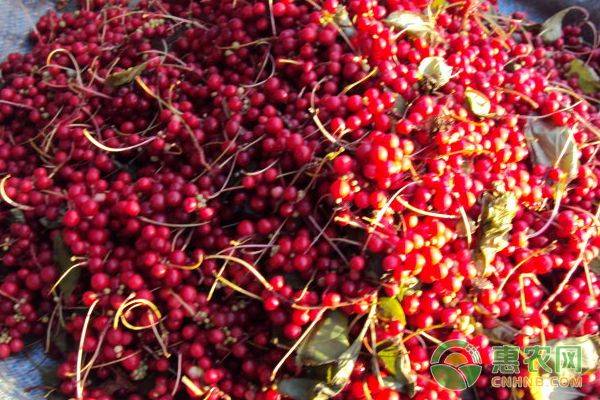
6. 1. 1 at the end of september and the beginning of october, when the fruit changes from red to purple。
6. 1. 2 routine collections are collected lightly and without injury。
6. 2 processes
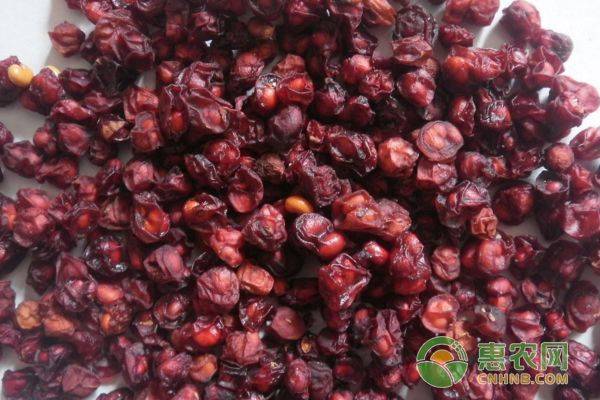
6. 2. 1 after harvest, the fruit is distributed on a thin layer on a mat or cement floor, naturally dryed and rotated daily. If it rains, it can dry。
6. 2. 2 temperatures should be contained at about 50°c during drying and not overheated to prevent volatile oil spills and fruit focals。
6. 2. 3 a dry symbol of fruit is flexible with its hand and can recover with its release。
6. 2. 4 after drying up, the fruit handles and impurities are stored in a dry ventilated place。