Artificial techniques
1. Landing and landscape
(1) the requirements for climatic conditions for the cultivation of fragrances are: average annual temperature of 2°c, effective annual temperature increase of 2000°c, minimum winter temperature of 35°c, average frostfree period of 110 days, average annual rainfall of 500 mm, average relative humidity of 55%, daily ~ 1800h and average daily ~25%. In eligible areas, sandy plots of deep earth, perfunctory and fertile, well-drained, micro-acid or neutral soil (ph at 5. 5-6. 5). The slopes are suitable for both flat and relatively low slopes of less than 15° and not suitable for low-lying areas or areas where cold air accumulates。
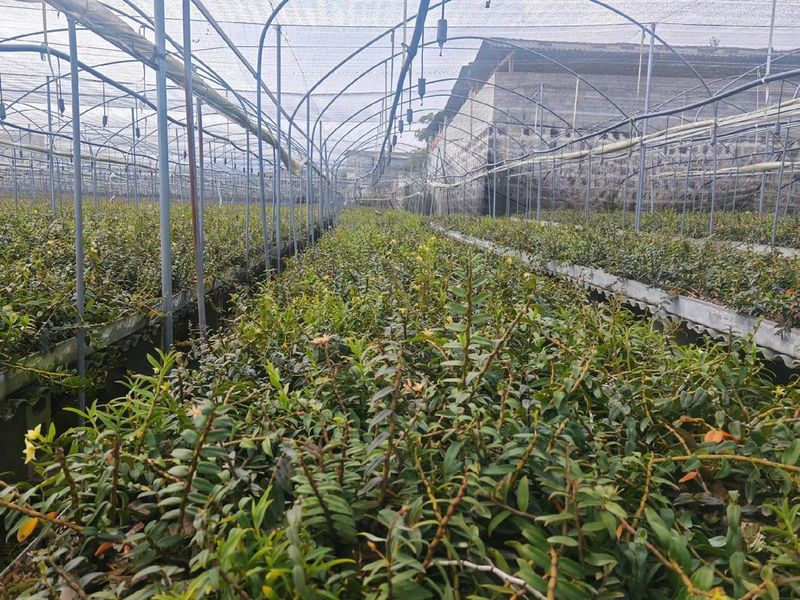
(2) the whole field of seedlings is covered by 2000kg/667m2 fattening of decomposed farmers, with 25 to 30 cms of land, and the removal of stones and miscellaneous items, and then the making of thorium, which is suitable for the north and south, with a wide surface of 1. 2 m, 20 cm and a wide field of operation of 0. 6 m. It's nice and thin, it's real and it's covered。
(3) it is appropriate to move the field to the autumn. Area of operations, as appropriate. Fatty 2000kg/667m2 applied to decomposition farmers, deep-sliding 30 to 35 cm, raspberry. The planting bed is based on planting density. Bed spacing is 0. 5 m。
Cultivation
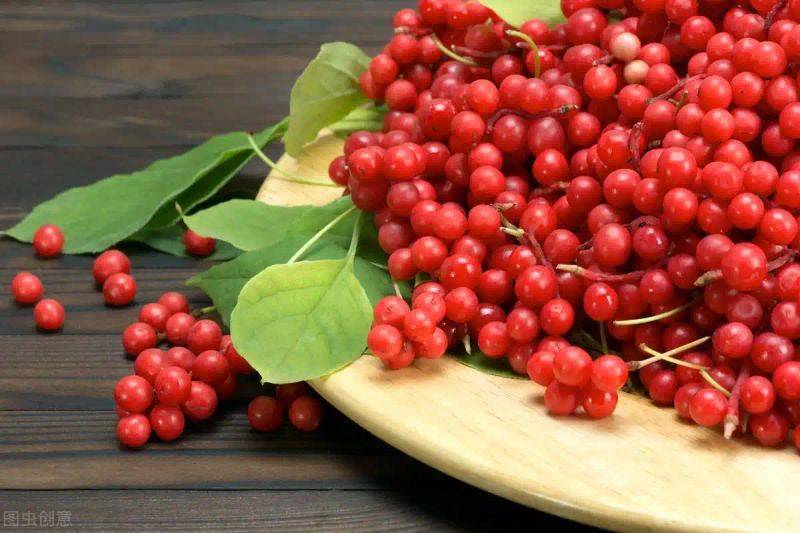
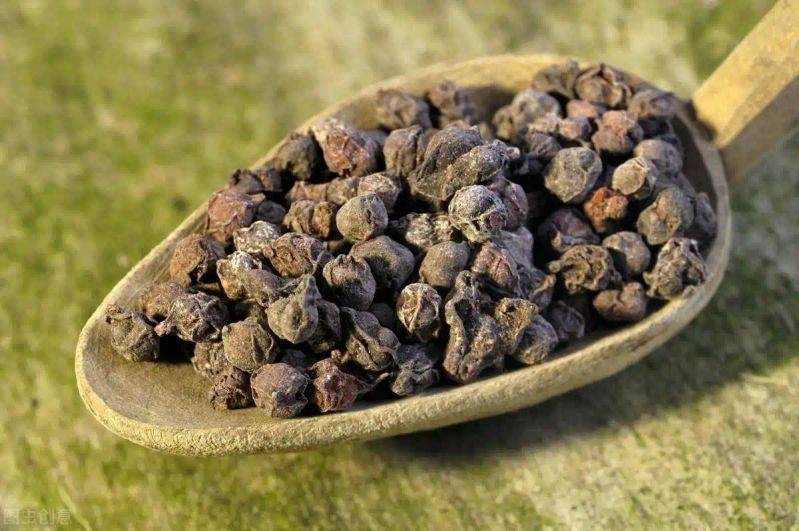
(i) seed treatment, where seed reproduction occurs mainly, and other forms of reproduction are not commonly used. Seeds before planting in the spring will need to be processed in layers for seeding. The method of treatment is to immerse the selected mature and full fruit in a hot water for three to five days, remove the fruit, wash the seeds, float the granules out of the water, place the seeds in a dry ventilated place and dry them for stratification。
The method is to even the seeds with three times the volume of wet river sand, with a water content of between 40 and 50 per cent (hand in groups, free hands). Dig a pit tank of the appropriate size and load the mixed seeds in a textile bag. A layer of grass is built on top, with a slightly higher earth pressure, which forms a lump of soil and contributes to drainage. Check regularly to avoid bad health. The general layer is processed for 80 to 120 days and the embryo is exposed so that seeding can occur. 1% copper sulphate can also be immersed in 24h to break the hibernation period。
(2) the seeding is divided into spring and autumn broadcasts。
1 spring. It is appropriate to sow in late april to early may. It is generally used to plant 80-90 grains per row at a scale of 5 kg/267 m2, with a thickness of 3 cm and slightly suppressed, with water sprayed and covered, for example, with straw, in order to maintain temperature and humidity。
2 falls. Autumn broadcasts in early september, before freezing, followed by seedlings in the spring. Seeds planted in the autumn do not need to be treated in layers, i. E. They are planted directly. It's the same way it is。
(iii) the management of seeds planted during the spring season, with 25 to 30 days of seeding, when the rate of seeding is 50 to 70 per cent, the removal of cover, the construction of a simple shelter, watering during drought, and the timely eradication of grass. When saplings grow between three and four saplings, stretching between three and five cm, they are kept as seedlings and the shades are removed. In order to protect the seedlings, two fattenings, 10 kg/667m2 for ammonium dim; and a second fattening of 9-12 cm, with calcium phosphate 15-20kg/667m2。

In mid-october, plants were planted and small seedlings were dug up. 100 bundles, packed at different levels, ready for transfer or forgery. The criteria for the classification of the savories are shown in table 5。
3. Deplanting
Both springs and autumns can move. In the spring, the plant is moved before the bud starts and in the autumn after the fall. In summer, it can also carry land. The seedlings of 1 to 2 levels are selected for planting, and the range is determined according to the different configurations。
(1) flower racks similar to bean horn racks. Lines are 2 m high and space is 1 m long, with a range of 0. 5 m x 0. 6 m. It shall dig 30 cm deep, so that the seedlings shall be planted, the roots shall be laid, the seedlings shall be drawn, the ground shall be laid down, and the soil shall be watered and sealed. 2000 / 667 m2 of seed。
(2) the fence is the most commonly used frame. The shelves are made of prefabricated cement pillars (2. 5 m high, 0. 1 m long, 0. 08 m wide) with a distance of 7 m, buried in the ground of 0. 5 m and planted at a distance of 0. 5 m. 1 m, 1. 2 m, or 1. 5 m, with 1300 / 667 m2, 1100 / 667 m2 and 800 / 667 m2, respectively。

(3) flattings similar to sheds, homogenesis. 7 m column distance, 3 m line distance, 0. 5 m plant distance, 440 666 m2 seed。
(4) natural slabs are made of shrubs, such as red, cherries, qin pepper, san trees, etc., which are naturally or planted. The shrubbery stands at a range of 3 m x 3 m, with two fragrances under each tree, with a distance of 0. 7 m and a seedling of 150 666 m2。
4. Field management
(1) cultivation of grass during the growth of the fragrance. Usually from late may to late august, seven to eight times a year. Plantation and grass extraction to prevent the adverse effects of grassland on the growth of seedlings。
(ii) fertilizer management, which requires sufficient moisture and nutrition over the long term. If they are fat and have insufficient water during their growing up, the branches are weak, the female is small, the female is easy to reach and the winter is small. Therefore, fragrance cultivation should be applied to the base fat and followed up in due course. Fertilizers are mainly used by grown farmers and are supported by appropriate quantitative fertilizers。
The fragrances entering the end-of-life period were followed up with fertilizers 500 kg/667m2 and urea 20 kg/667m2 in mid-may; with calcium phosphate 40 kg/667m2 and potassium sulphate 50 kg/667m2 in mid-june and late-september; and with fertilizers 2000 kg/667m2 in mid-september and late。
When porridges require adequate water supply before flowering, after flowering and during the expansion of fruit, the soil should be filled with water in a timely manner if the soil is dry, and when the rains are too heavy in the summer, care is taken to drain so as not to cause rotting roots。
(3) the transvestite fragrance shall be stoked to support its growth. In the direction of the shifting bed, for example, the bed centre is 10-15 cm east (north-south) and each 7 m concrete pillar is laid and 50 cm is buried in the ground. With ten to twelve bars on the top of the cement pole and in the middle, it's flat. Then a 2. 5-m-high pole was placed beside each plant and fixed on the wire。
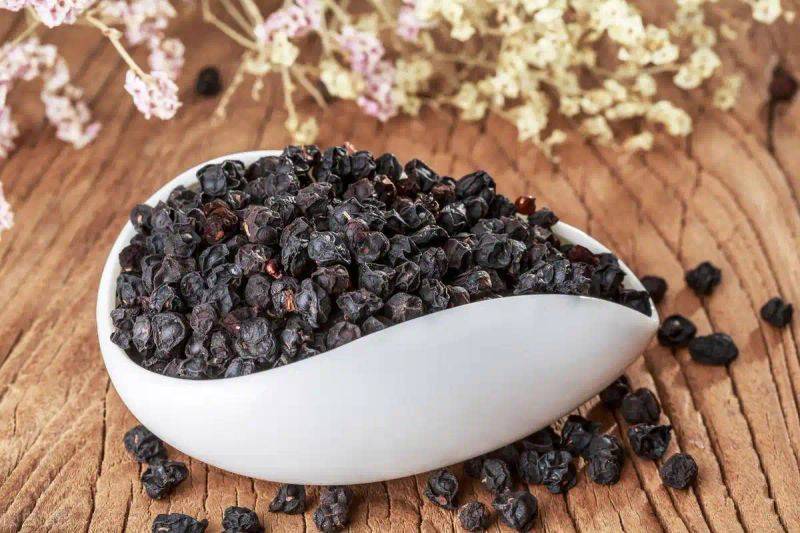
(4) cut
One flat. In the same year, seeding can last up to about 20 cm, but only two to four sprouts in the foundational sector can produce the main chicken. The upper one is small, young, young and weak, and generally cannot form the main chicken. Thus, the plant is to be flat-headed, with the upper truncheon cut, with only 4 to 5 sprouts of the base, or approximately 5 cm, in order to concentrate nutrients and promote the early growth of the sprouts into the main chicken。
Two chickens. Following the flathead, the foundation was sprung in late april and early may. When the new steps grow to about 50 cm, two strong ones are chosen to lead the chicken. The selection principle is that the first must be strong, the second must be low and the rest must be wiped out。
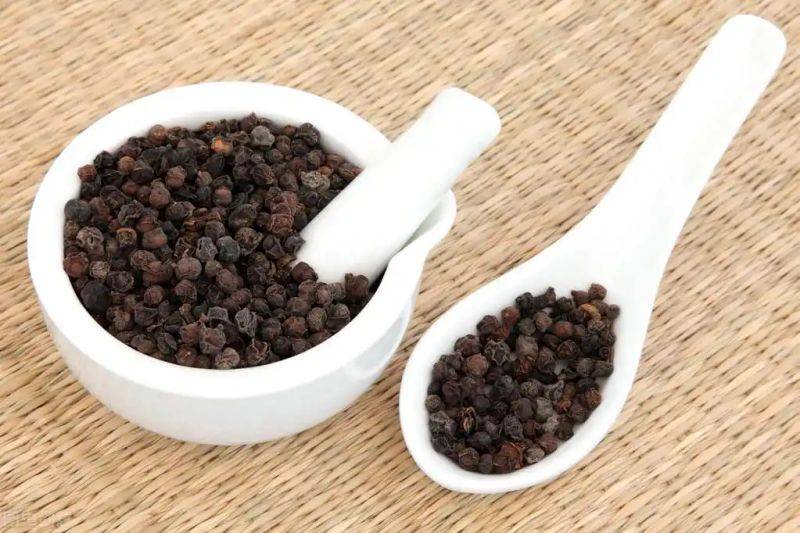
Three hearts. After a fragrance, if the fat water is sufficient and properly managed, it can grow to more than 2 m. When the main chicken grows up to about 2 m, it should be given care in a timely manner in order to control the direction of the tree, to promote corroding and grafting, and to ensure that the flowers grow in the second year of planting。
4 divided by 蘖. The trachea is well developed, with the two-year-old and more growing horizontally on the surface of the earth and below 5 cm, and the sprouting of each section gives rise to many euphoria and sprouting. The spring sprouts on the ground take place more than five days earlier than the main man, and grow faster, absorbing a large amount of nutrients and moisture and affecting the growth of the main chicken, so that they are cut off in time to avoid nutrient consumption and ensure the growth of the main chicken and the branches。
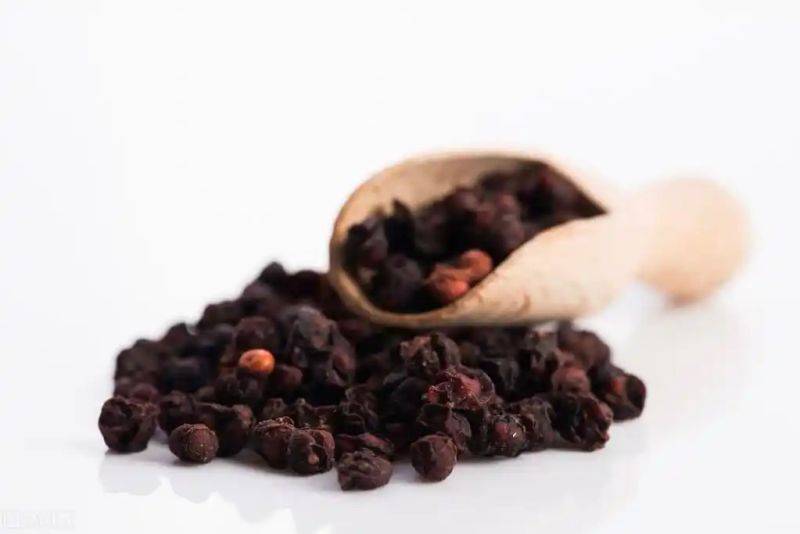
Five summer cut. Females and females share the same species of flowers, with many males and few females in the lower and lower sides of the main chicken, while females and few females in the upper and middle sides of the main chickens, and many males and fewer females in the side branches close to the chickens. As a result, no side branches are left below 30 cm below the ground during triming to reduce nutrient consumption and promote the growth of the upper middle branch, which can also improve ventilation and reduce the incidence of disease。
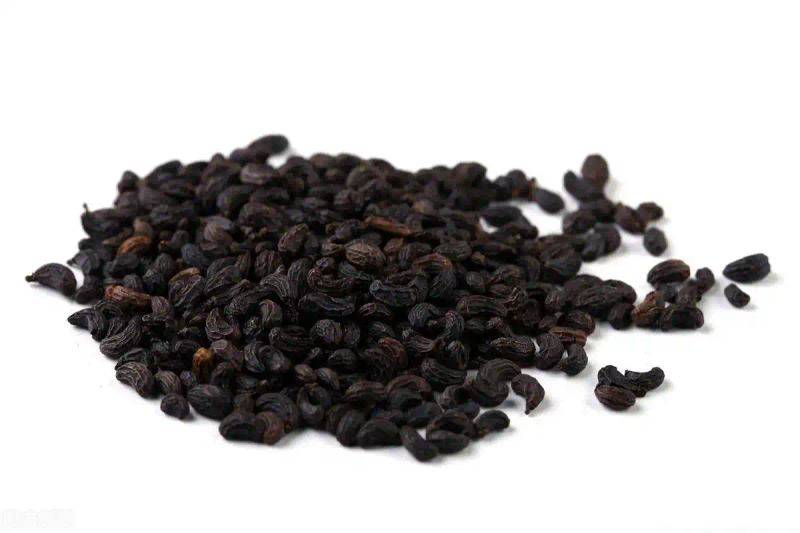
In two to three years, the fruit branches must not be too dense. The branches are suitable for a distance of about 10 cm. They are cut off and the branches staggered。
The two-year cycle of the tasting has led to the constant cultivation of new branches and the cutting of the branches of ageing. The method is: when the result branch grows up to about 15 cm, a large, disease-free, disease-free new stalk is selected for the next year at a location close to the main tuber, and the rest leaves five to six leaves for the heart to promote the growth of the stalk。
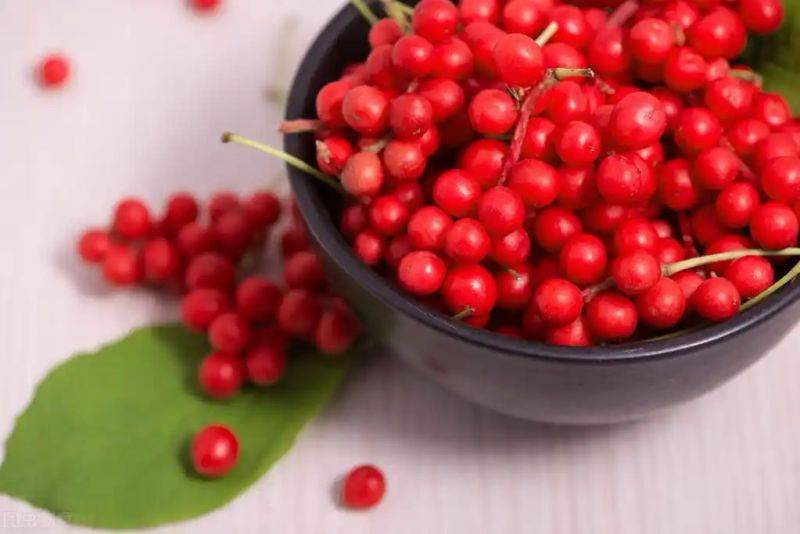
The selection results grow to 40 to 45 cm in order to divide their buds. Overstretching, especially the upper branches and the top of the chickens, should be carefully targeted in time to concentrate nutrition and avoid entanglement. When the branches are entangled with each other, artificial separation is required to avoid entanglements affecting thawing and manual management。
Late in july each year, the growth-deficit, overlapping, diseased and ageing branches are cut off, while the overstretched new branches are trimmed or trimmed in order to improve production and the quality of goods。
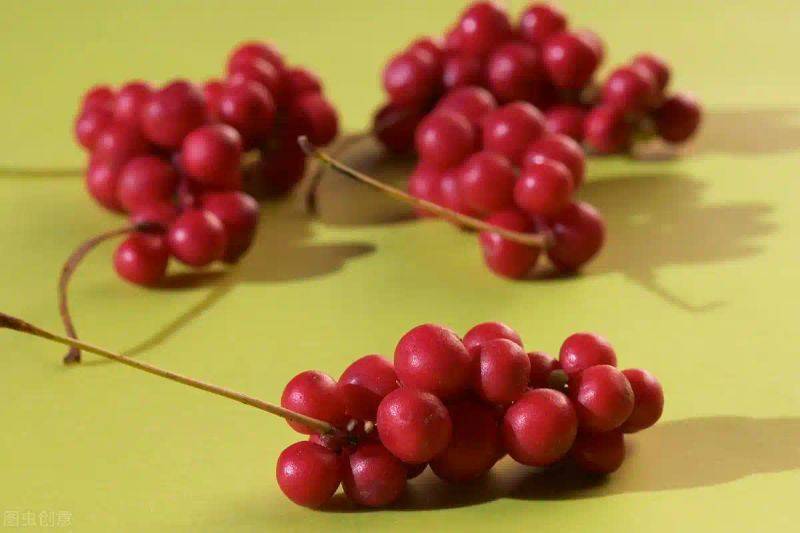
Six winter cut. Following the fall of leaves to the flow of tree fluid. In winter, they cut out the dead branch, the weak branch, the sick branch and the burgeoning top of the ground, while removing the dense branches. The branches of the results that need to be updated are cut two cm close to their selection for a year. A 30cm cut of the selected next year's result ensures sufficient buds to facilitate the next year's outcome。