Cucumbers are a better option for growing crops in winter sheds and can create good economic news for farmers. Good winter cucumber cultivation and winter cucumber management are key to improving cucumber production, quality and efficiency. The following is an introduction to the winter cucumber cultivation technique and the winter cucumber management method。
Winter shed cucumber cultivation technology
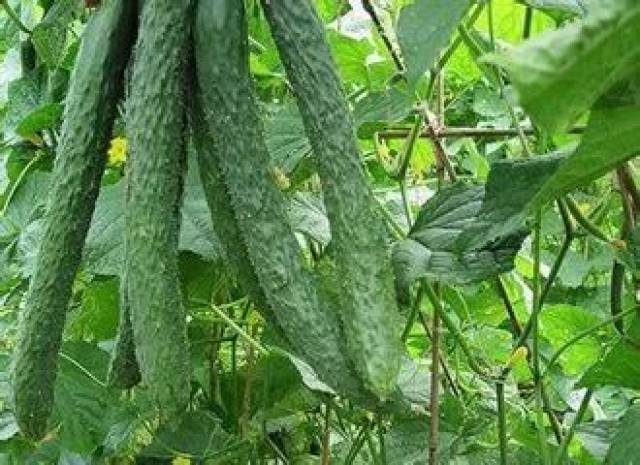
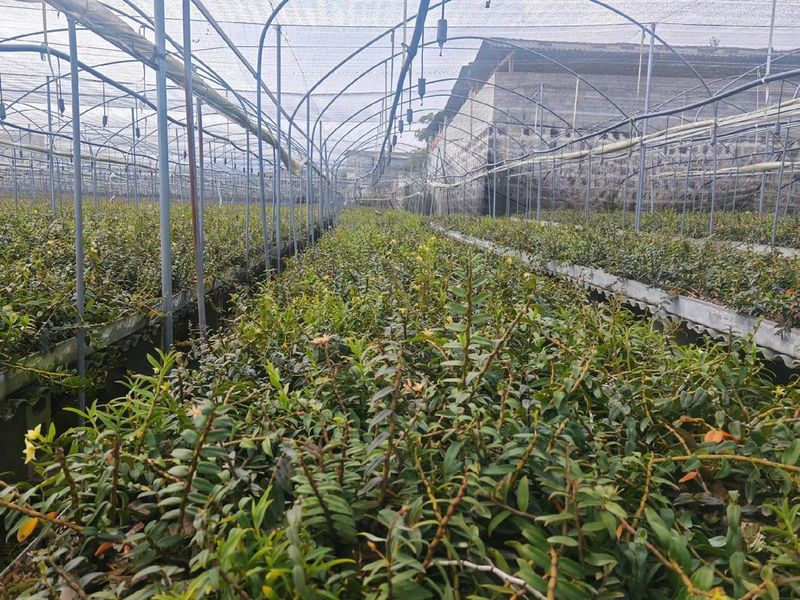
The winter shed is a more productive and efficient cultivation model for the production of protected cucumbers. Good winter cucumber cultivation is key to improving cucumber production, quality and efficiency, with the core technology being the selection of suitable varieties, post-plant management and disease prevention。
I. Selection of suitable varieties
In order for cucumbers to experience chronic cold and light conditions over a longer period of time, the varieties must choose those that are low-temperature, weak light, few branches, good root melons and strong disease resistance, and require them to grow faster under cold conditions. The most common varieties in the south china region are those of zhuqing iii, xing soo iii and zhuqing ii, among others, and may be selected according to local realities。
Ii. Rationalization
In general, 10 to 15 days before planting, 7 days after watering, 3 days after ventilation and humidity. Three to five days before planting, the land was thrown down, ground leveled and fertilized. The cucumbers, which are fertile and fertilizing crops with high growth and production of cucumbers in large sheds, should be applied with a combination of nitrogen, phosphorus and potassium fertilizer, with acres applying 4000 to 5,000 kg of decomposition organic fertilizer and 60 to 100 kg of compound trie fertilizer as base fertilizer. The saplings are selected at the time of planting and are laid in shallow ditches when the light is weak after the morning. The leaf should be in the same direction as the seedling, and the soil depth should be used to keep the scavengers on the surface, and water should be watered in the ditch, so that it can be rinsed, then cover the membranes, open the parts of the membranes and pull the cucumber out of the membranes. In general, plants are set at a distance of 25 cm and 60 cm and approximately 4,000 per acre。
Iii. Post-plant management
1. The focus of temperature management management for cucumber seedlings is to increase the temperature of the ground and to promote cucumber seedlings. Temperature above 15°c is as high as possible to promote new root growth, with temperatures not exceeding 35°c during the time of the seedling. Control of water watering after slowing down, and temperature management of the huts, i. E. Control at 25°c-30°c in the morning, closure of the vent at 20°c-25°c in the morning and 15°c in the morning. After early spring, february, there should be a gradual increase in ventilation and attention to temperature control. 2. Fertilizing water management should be managed flexibly according to the conditions of the nursery, weather and soil. In winter, the cucumber-hunting principle should be based on the principle of “first weight and second weight, with more and less food”. When the melon sits, *** fattens the acre with 5-7 kg of urea or 15-20 kg of compound urea; * 15-20 kg of complex fertilizer with 3 yuan during the guava period; and *** - 2 times every week thereafter. In order to extend the harvest period, 0. 5-1 per cent urea solution and 0. 1 per cent ~0. 2 per cent potassium phosphate solution can be sprayed on the side of the leaf 2-3 times after the gucum。
The winter cucumber management method
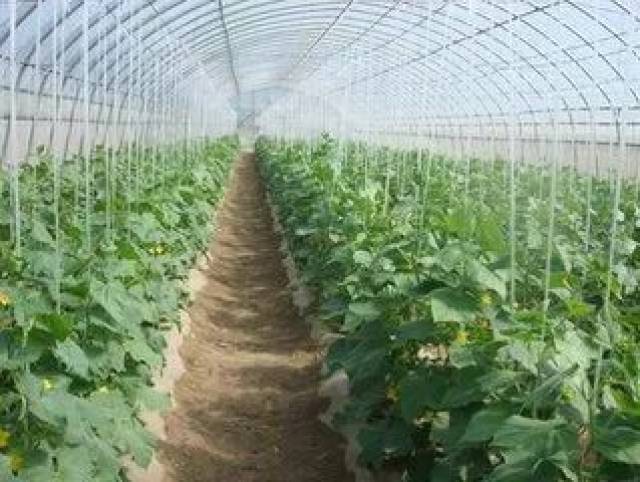
Winter cucumber management - nurturing quality cold-resistant seedlings
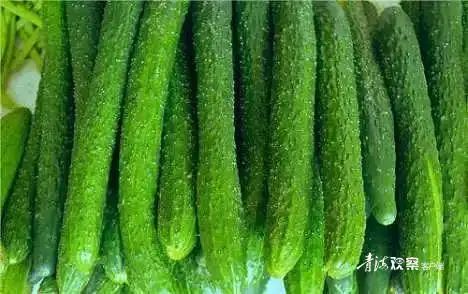
The cold-resistant species are mainly auni, with no thorn-free cucumber seeds. It is characterized by the introduction in the netherlands of whole females-free cucumbers, infinity, pre-cooked, strong-growing plants, concubines, short stasis, 1-2 melons per section, melons, around 16 centimetres of melons, high capacity for continuous fruit production, deep green, radiant, sweet taste, high yield, high cold tolerance, high temperature and humidity. Resilient, highly resistant to pests such as frostic, powdery, aging and viral diseases, with no death, suitable for conservation cultivation in autumn, winter, early spring and summer. And winter three -- cucumber seeds. Characteristics of the species: for a hybrid generation, a growing stock, medium-sized leaves, the main cranium, dense melons, fast-growing melons, without resting, strong sitting capacity, straight-line melon bars, shallow, sweet skin, approximately 35 centimetres long, low deformation rates, high commercial rates, approximately 200 grams single-size, highly resistant to disease, both parents choosing to use anti-malaria, frosty, horny and white powder, low temperature, low light, around 25,000 kilograms of mackerel production, more than 200 days of pick-up, suitable greenhouse sheds for early spring, autumn and winter。
Winter shed cucumber management -- fat water management
In mid-february, when most of the warmer cucumbers entered the peak of the production of the melon, the demand for fatty water gradually increased. As a result, cucumber pursuit would be carried out after the end of february, usually 20 kg of urea per acre, 5-8 kg of potassium phosphate or 30-35 kg of potassium sulfate compound fertilizer, one in 20 days. An additional application of carbon dioxide fertilizer at the end of february and the beginning of march will significantly prevent premature plant failure, increase resilience and extend the outcome period. By the middle and end of the period, the frequency and quantity of water to be poured should also increase, but it would be appropriate to keep the water to a level not less than 15°c - depending on the circumstances, in case the temperature falls too much. Prevention of seedlings. In addition to the timely release of cover, increased ventilation, extended ventilation, increased light intensity and low-temperature exercise, constriction can be achieved through the application of short-strengths, which also enhance the cold and disease resistance of seedlings, with care that concentrations are not excessive。
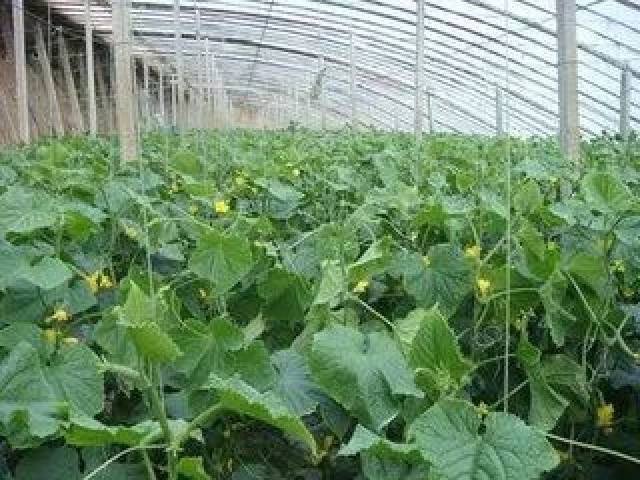
Winter cucumber management - temperature regulation
After march, the external temperature gradually rose, during which period full use was made of the curtains and open vents to regulate the temperature in the sheds so that it remained at 26°c ~30°c during the day and at 12°c ~14°c before the opening of the curtains in the morning to facilitate the normal growth of the cucumber. Whole chickens: the whole chickens are kept at about 1. 3 metres and the south is high so as to benefit from the light. This is done by laying down the chickens of the cucumber tuber base and laying them on the ground, keeping the cucumber plant growing at an altitude of about 1. 3 metres, keeping the top of the cucumber in the whole shed essentially on the same level, and removing the old and sick leaves, each of which is capable of retaining more than 20 active leaves. Reasonable extraction: cucumbers are generally suitable for each cucumber, with two to three growing cucumber bars, long enough for late picks and weak enough for early picks。
Winter cucumber management - disease prevention
During this period, cucumbers were prone to diseases such as frosted, horny, grey, powdery, etc. The above-mentioned pests and diseases should be addressed in an integrated manner, focusing on prevention. The use of generic microbicides such as microbicides, polybacterials and killing agents is rotated once a week in nursery management, and the use of fumigants in lieu of spray control is recommended in stormy weather and can be better achieved。
These are the winter cucumber cultivation techniques brought to you today, and the winter cucumber management methods. It is hoped that after reading this article you will be able to reap the fruits and grow healthy cucumbers。