I. Mentoring objectives
1. Consolidation of the core knowledge of sixth grade language textbooks, including reading and writing, recitation and understanding of ancient poetry, analysis of key paragraphs of the text。
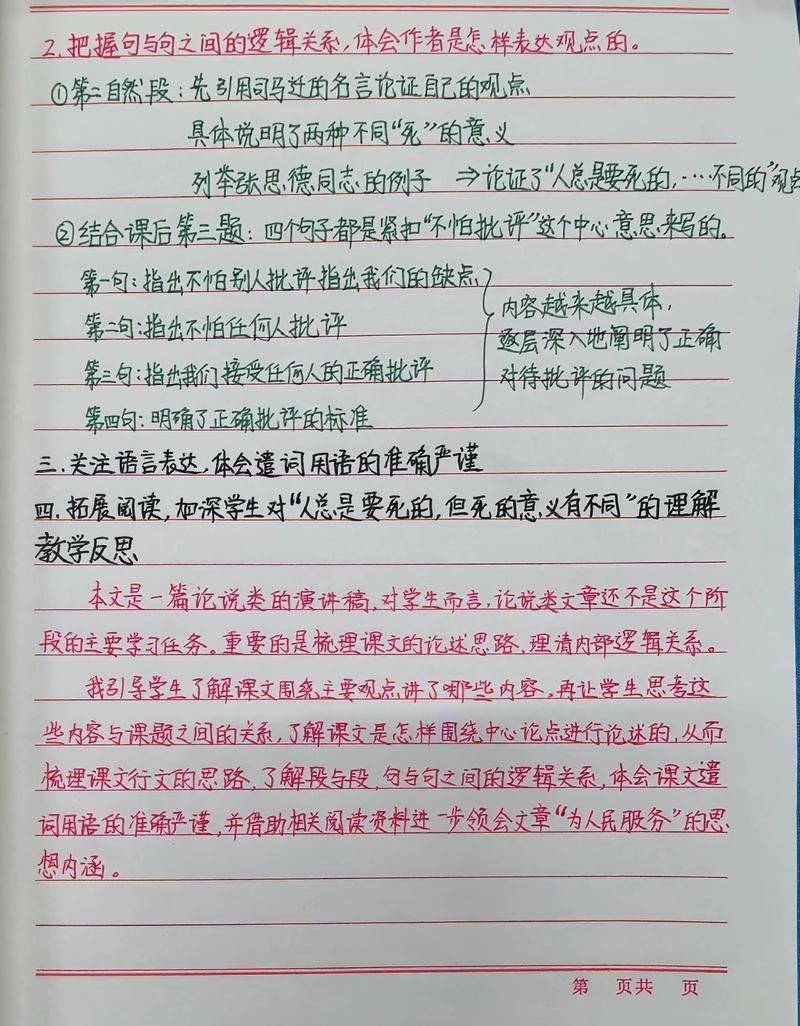
2. To improve the reading skills of students, who can read and understand different languages, such as narratives, illustrations and basic reading skills (e. G., finding a central sentence, general paragraphs)。
3. Strengthened writing capacity, moving from a partial exercise to a full written text, capable of producing well-structured, content-specific narratives and applications (e. G. Letters, initiatives)。
4. Development of language learning habits, such as proactive accumulation of good words, normative writing and autonomous revision of texts。
Ii. Weekly counselling content arrangements (22 weeks)
Weeks 1-4: foundation consolidation phase
- week 1: specialty in the form of words (hearing of the key words of a textbook, misdialysis, such as “comfort”, “high” etc.; combination of words with proxies, accumulation of counterwords)。
- week 2: passing the ancient poems (repealing all the ancient poems and texts in the textbooks, such as the “borgian drum” and “mr. Shuu-shu”; understanding the meaning of the poems and the author's feelings)。
- week 3: review of the text (collating the structure of the main course during the first half of the semester, e. G. Savannah, dinosaur, mastering the division of the paragraphs and the central idea)。
- week 4: basic testing and detection of leakages (two lectures on vulnerable knowledge points through small tests to screen weaknesses)。
Week 5-12: capacity enhancement phase
- weeks 5-6: special readings (reading of narratives, learning to find clues, analysing the image of the person; completion of 2-3 journal reading exercises, question-by-issue thinking)。
- weeks 7-8: special reading (reading notes, mastering methods (examples, column numbers, etc.) and effects; exercise to outline the characteristics of the object)。
9-10 weeks: special writing (statements, themes such as “the unforgettable one”, “my example”, focused on the beginning of training, writing and detail)。
- weeks 11-12: special writing (applied writing, learning the form of letters, initiatives, completion of 1 letter writing and modification)。
Weeks 13-18: integrated application phase
- week 13-14: a guide to famous readings (programming weekly reading programmes and book-sharing sessions around textbook recommendations, such as " little heroes come in " )。
- weeks 15-16: integrated exercises (completion of two six-year language combinations covering basic, reading, writing and hf errors)。
- weeks 17-18: upgrading of the text (instruction prior to the selection of students, guidance to modify the details, optimisation of the language, formation of the first draft-modification-finalization process)。
Week 19-22: sprinting and wrap-up phase
- week 19-20: thematic breakthroughs (focusing on lectures and exercises on pupils ' general weaknesses, such as cosmopolitan understanding, reading subjective questions and answers)。
- week 21: simulation tests (full simulation of the end of the sixth grade language, time-limited completion, development of response speed and probabilities)。
- week 22: summary and feedback (analysing the results of simulation tests, one-on-one feedback on student progress and shortfalls; organizing good words and mischaracteristics accumulated during the semester for study)。
Iii. Training methodology
Stratification: targeted assignments based on student base divided into “basic groups” (focusing on consolidation of textbook knowledge) and “upgrading groups” (focusing on expanding reading and writing skills)。
2. Interactive teaching: to stimulate a sense of student participation through panel discussions (e. G., analysis of text figures), book-sharing sessions, peer reviews。
3. Individualized feedback: after each assignment, test, the pupils are identified as prone to error and are presented separately; specific proposals for changes are made to students with weaker writing skills。
Results monitoring
1. Weekly measurements: 10-15 minutes of basic tests (e. G., hearsay, cosmology) for the week's knowledge points。
Phase testing: one comprehensive test every four weeks, covering all the elements of the previous phase and testing learning effects。
Final presentation: collection of student writings, book books, production of class “language learning results book”, 22nd week, to enhance students' sense of achievement。