


Mental health education in higher education should be based on an innovative teaching system, guided by the concept of multidisciplinary and cross-cutting integration, exploring teaching models that integrate “big psychology” with “big thinking”, maximizing the value of integration of disciplines and the upgrading of practical teaching for students, applying the content of intellectual politics, mental health and subject subjects to real life, strengthening the capacity of students to solve problems and developing comprehensive development and mental health for young students。
Keyword
“great thinking”; “big mind”; cross-integration; multidisciplinary
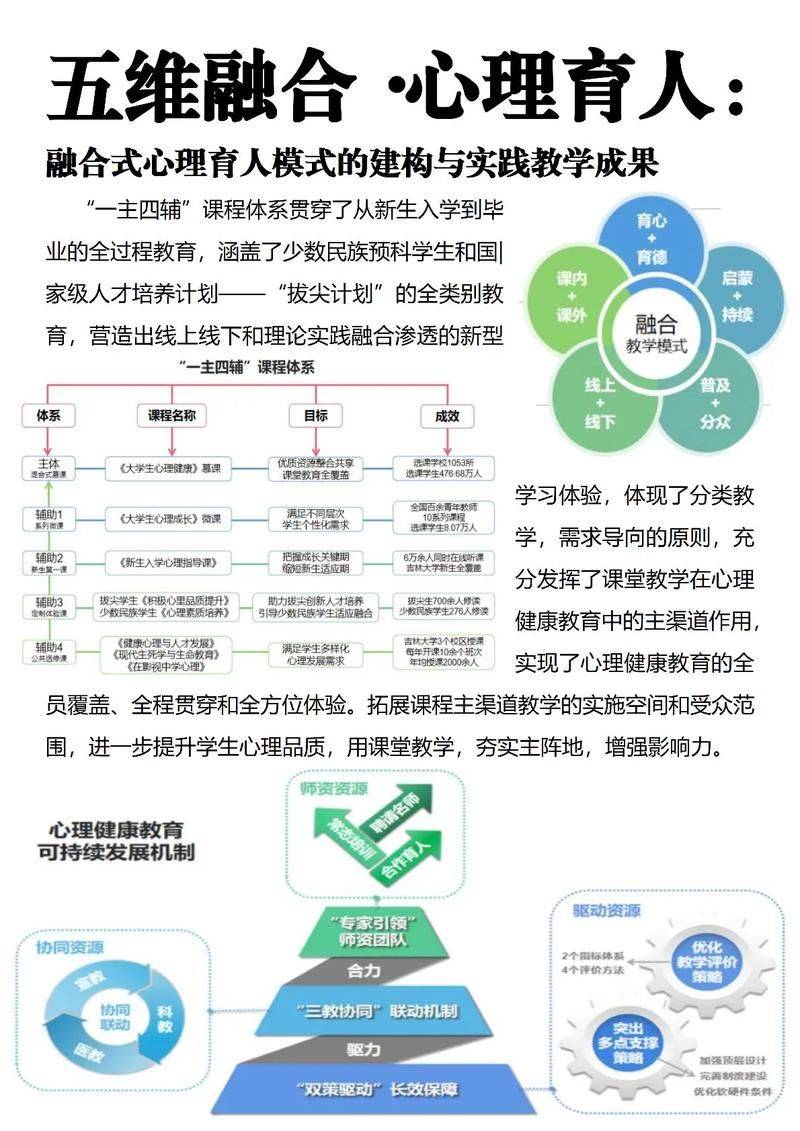
In 2020, eight departments, including the ministry of education, issued an opinion on accelerating the construction of a system of political work in institutions of higher learning, which called for “the integration of mental health education into the overall curriculum, with professional teachers at a ratio of no less than 1:4000 students and at least two in each school”. Plays the role of primary caregivers, such as mental health education teachers, counsellors and class directors, and regulates the development of mental health education and counselling services.” this requires universities to adhere to the concept of “student-centred” education, to include mental health education as a strategic plan and an important task of university development, and to develop research-oriented, modern technology-based mental health education and management systems that are coherent, comprehensive, efficient, and highly popular among students. Based on these considerations, we believe that mental health education in higher education needs to be considered positively and that efforts should be made to explore innovative ways of integrating mental health education with political education, and to construct a model of interactive education that combines “big thinking” with “big thinking” and “big psychology” to ensure the predictability, science and timeliness of “big thinking” and “big mind” comprehensive parenting。
Issues to be addressed in curriculum design in building mental health education systems
The educational philosophy and objectives of the content of the teaching materials are not easily adapted to the psychological needs of the society and university students today. Most of the material currently available is devoted to the psychological situation of a small number of students with mental problems and lacks attention to the positive psychological development and comprehensive development of all students. In addition, the content of teaching materials lacks macro-, multi-dimensional and in-depth guidance. The content of the material is relatively homogeneous and lacks overall integration. Mental health is influenced by a combination of genetic, family, school and social factors. At present, the status and functions of the curriculum of mental health education for university students are largely not actually integrated into the design of the overall curriculum of higher education institutions at the top of the curriculum, either in multidisciplinary or in general。
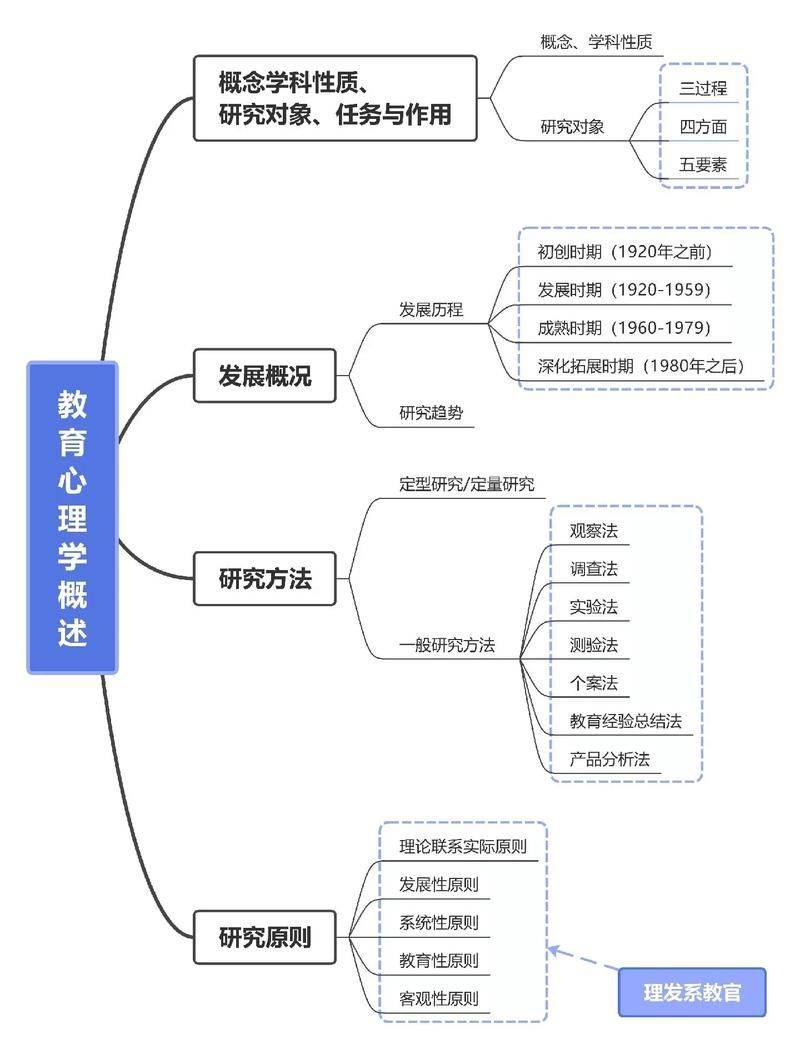
From a comparative research perspective, the academic structure of the world's leading universities is characterized by the importance attached to literacy education at the undergraduate level, which provides students with a holistic, pluralistic structure of knowledge and competencies and multidisciplinary project curricula. At the same time, the core tasks of professional education are heavily integrated into different curricula. The university conducts its teaching around the development objectives of a particular profession, with courses offered by teaching staff from different academic backgrounds, with multidisciplinary features. This idea of breaking the segregation of disciplines, clearly based on talent development rather than on discipline, has a positive impact on the quality and effectiveness of education, the promotion of cross-cutting and innovative disciplines, the development of an integrated quality of students, the adaptation of students to social needs and development. For example, the mit undergraduate general education stages cross-integrate brain science with cognitive science, combining psychology with computer science, which is structured in a way that is based on a particular curriculum and integrates a number of related subjects, thereby expanding students ' academic horizons and deepening understanding of a particular discipline. This new curriculum model has emerged as a consensus model for new curriculum design at world-class universities。
Psychological education is a comprehensive curriculum that covers many aspects of student growth, such as the integration of the curriculum into the core elements of ethics, culture, law, sustainable development, innovation and positive psychology, which will provide students with a wider space for reflection and a broader platform for development, which is of great importance to their growth. In 2017, the ministry of education issued a programme for the implementation of the project for the improvement of the quality of political work in higher education called for “the integration of mental health education into the overall school curriculum”. In 2018, the framework for guidance on mental health education for students in higher education also explicitly called for “the development of self-esteem and self-esteem, rationality and a positive and positive health mentality, and the promotion of the harmonious development of mental health and intellectual and scientific and cultural qualities”. The content of mental health education must therefore be age-sensitive, relevant, diverse and practical, guiding students to the psychological adaptation of science, on the basis of a cross-section of multidisciplinary integration, and reinforcing their correct understanding of the ideals, values, meanings of life, respect for heart and high moral values。
The overall orientation of the document is clear, but the integration of these concepts into practical curriculum design and teaching requires further reflection and exploration. For example, in terms of knowledge, how to introduce professional knowledge and literacy into the teaching content and practice of mental health education, and to improve students ' ability to think and analyse the solutions to real problems, so as to make theoretical knowledge more in-depth and valuable; in terms of competence, how to improve students ' ability to express, critically think, aesthetic, analytical, innovative and cross-cultural understanding through practical courses; in terms of responsibility, how to integrate ethics throughout the learning process, leading students to a greater sense of social responsibility and to a better ability to fulfil it; and in terms of personality, how to help students develop into people who are confident, open, active, optimistic and able to adapt to a multicultural environment. It is only when these specific teaching objectives are identified that the curriculum content can be designed to suit the development needs of students。
The core of teaching methods is how to improve the learning efficiency of students. If a subject is to attract the attention of students, to stimulate their interest and exploration, and to ignite their enthusiasm for learning, the method of teaching is particularly important. The so-called “teaching has a way, but it has no way, it is valuable to do so”, and a good shariah will do more than anything. The tertiary mental health education curriculum is a very practical one for which students are strongly motivated to learn, but the shariah has some issues to address. For example, teaching methods are relatively monolithic and monolithic, teacher-student interaction, discussion, collaboration, low level of student participation, lack of taste and hierarchy in the design of classroom teaching activities, insufficient innovation in teaching strategies and, for the most part, passive acceptance of knowledge among students, making it difficult for them to really engage in real case analysis and thinking。
Colleges of higher education should actively promote the integration of mental health and political education
Based on the concept of multidisciplinary cross-fertilization and practical experience of the world's leading universities, higher education institutions should actively build systems for integrating mental health and political education, and strengthen the design and research at the top of the integration curriculum. First, higher education institutions should align mental health education with the teaching objectives of political thought education and optimize their educational content so that they are coordinated and mutually reinforcing. Second, the integration of the educational content of thought and politics, which foster the healthy mental health of students, and the integration of the educational elements of mental health education, are combined. At the same time, the integration of interdisciplinary resources, the expansion of teaching paths through cross-cutting disciplines, the effective promotion of the full spectrum of students ' perception, the broadening of knowledge, the prevention of problems at the root, the bottom and the resolution of practical problems。
The content of the curriculum is tailored to the needs of students. In order to be precise in the design and selection of teaching content, universities should conduct research on the psychological needs of students at different levels, determine the content of psychological education on the basis of the results of the survey and design practical and targeted counselling activities, including, inter alia, the following 15 areas. Self-awareness: help students to understand themselves in all their aspects through lectures, applied abilities, personality tests, etc.; new environment adaptation: through lectures, learning about the cultural characteristics of university campuses, parenting so that students can change their roles as soon as possible; efficient learning: through case analysis, panel discussions, students understand how to feel about their emotions, deal with bad emotions and enhance individual emotional intelligence; inter-person communication: through course presentations, case analyses, debates and speeches, skills to express and speak; team cooperation: building their team awareness by involving students in collaborative group learning, participating in social practice activities or scientific research projects; intercultural adaptation: organizing international students from different countries to engage in cultural diversity activities, enhancing communication among students and understanding of foreign cultures; dating and dating: learning how to make friends through lectures, case analyses, discussions, and how to deal with intimate relationships correctly and rationally; stress management: learning to analyse sources of stress and to participate in stress workshops through lectures, counselling and counselling; leadership and management: curricula include leadership, public goods and charity, practice courses include self-understanding, personality testing, communication and speaking, visiting visits, etc.; employment guidance: students learn to analyse employment, write job search reports, participate in mock interviews, etc.; political thinking education: integration of green, environmental, sustainable, innovative and other features, leading students to the right world view, life vision and values, based on good traditional cultural education, red culture education, patriotism education, labour education, rule of law education, country education, etc. In the national and international context, students are invited to reflect in depth on the historical mission and social responsibility of young people. These courses and activities are integrated and complementary to each other in teaching and activities, both theoretical and practical。
Institutions of higher education should adopt flexible and diverse teaching methods to integrate psychological education with social practice. In order to achieve the desired educational impact, teaching methods and methods must be continuously updated, using discussion methods, problem-oriented methods, case analysis methods, panel discussion methods, video photography methods, in-line and offline combinations, to engage students and to focus on theoretical, practical, skilled and methodical living thinking and mental health education。
For example, the combination of knowledge learning and adaptation methods and the emphasis on psychological adaptation methods is training aimed at internalizing knowledge and methods into individual psychological adaptation; video creation, which requires student teams to plan, select, film and film themselves, greatly enhances the ability of students to learn with their own initiative, exploration, taste and teamwork; case-based teaching, which provides a wealth of case studies, small stories, knowledge links, spiritual experience, etc., most of which are real events around their peers, thereby deepening students' understanding and in-depth reflection on the real world; and the use of modern educational technologies to actively explore and develop mandatory courses, elective courses, practical courses, web-based courses, tutorials, etc., as a whole teaching network that integrates a variety of platforms for participatory, interoperable teaching methods; and web-based debate sessions, using online forums to guide students on topics in the context of the current social hot spots and curricula relevant to university students. The contents express their views and opinions, such teacher-student interactions, open platforms for interaction among students, exercise of students ' ability to express themselves and quantitatively and qualitatively; mental health thematic events, which provide students with public presentations on mental health topics through the organization of a mental health lecture hall, which takes into account the confusion they encounter in their daily lives and aims at solving practical problems。
In addition to courses on mental health education, universities should establish psychological counselling centres to provide professional counselling to students from minority or special groups and active psychological services to all students. For example, one-on-one individual psychological counselling services are provided to students, and group psychological counselling services can be provided if they are not adapted to face-to-face counselling and follow-up visits. Various psycho-educational activities are conducted regularly to spread information about mental health and prevent psychological problems. The activities take the form of lectures, workshops, book fairs, psychological squares, general psychological articles and videos. The united student association offers interesting activities or small workshops on different topics, such as interpersonal communication, psychological interpretation, meditation, stress relief, emotional testing, etc. (c) assist students in better integration into universities and local cultural environments, and establish culturally relevant and resilient activities. Focusing on students with special needs helps disadvantaged groups to improve their sense of self-effectiveness and self-management and to rebuild their self-confidence and self-esteem. Through group support meetings, group activities, weekly challenges, etc., students are assisted in carrying out an analysis of their shortcomings in a safe and open group and in supporting each other's development. The integration of sports, art and psychotherapy activities, the organization of case studies and the participation of students in need of help with problems or difficulties, and the participation of students in artistic and sporting activities, through these series of events, enable students to reduce anxiety and depression, re-establish active self and integrate into the larger community life。
High schools focus on teacher training and promotion
The team of high school psychologists is an important team for the growth and development of students. Its main tasks are to learn about students, to be close to them, to care for them, to focus on their school life, physical health, emotional development, to help students develop the right world view, life vision and values, to help students cope with the relationship between learning and life, hobby and academic requirements, abilities and career planning, to help students improve their ability to develop themselves, and to influence students in their language, behaviour and attitudes, so that universities focus on training and upgrading their professional qualifications
In terms of individual personality, there should be clear identity and values of stability; physical health, proper exercise and a reasonable diet; love of students, who can listen actively to their experiences and feelings and show genuine care; love of reading, constantly expanding their fields of knowledge and keeping pace with the development of the times; love of working with young people, good interpersonal relations and social commons and skills
Yes; able to integrate their experiences, feelings and behaviours; able to look at problems from multiple angles and levels; equipped with some psychological theory and flexible counselling skills; respected and appreciated themselves and others; open-mindedness in the face of change; able to work and find meaning in their work。
In terms of operational literacy, emphasis should be placed on research, based on the needs of students; psychological curricula should be designed to reach young students; teaching methods should be diverse, with emphasis on “doing secondary school”, with attention on process management; theoretical knowledge and practice should be emphasized; modern science and technology should be fully utilized; resources could be integrated into schools and beyond and used by students; support and service activities should be flexible and accurate; and activities should be diversified and adapted to young groups。
In terms of ideological awareness, it is up to the partido patriotistas to be firm, to insist on the unity of conduct, to learn and to teach in german, to teach in german, to be kind, to be full of truth, passion and passion and to be good at influencing the moral development of students with their own personality。
In the design of the new curriculum, it is necessary to break down the time limits of the content of education, incorporate the characteristics of the new era, ideas, integration of the various resources of schools, families, society, etc., and promote the expansion of theoretical teaching into practical teaching. In keeping with the rules of parenting and student growth, it is necessary to activate the teaching elements in addition to, in and out of school, and online, and to develop an integrated system of teaching that integrates psychological, political, professional, informative, course and social practices。
Autumn: vice president and secretary of the western liverpool party
Formerly no. 10 chinese higher education, 2023



