Multiple campaign brands initiate intellectual property litigation for cross-border electricians
How chinese enterprises avoid infringement of intellectual property rights
The short-lived, easily imitated, fashion-innovative garment industry that develops the inner core is a natural disaster for intellectual property rights abuses. In recent days, monitoring by the state overseas intellectual property dispute control centre (hereinafter referred to as the hangzhou sub-centre) has revealed that three well-known sports brands have successively prosecuted a number of electric power companies, including a number of chinese enterprises, for intellectual property abuse when the defendants sold their clothing products。
Multiple campaign brands initiate intellectual property litigation for cross-border electricians
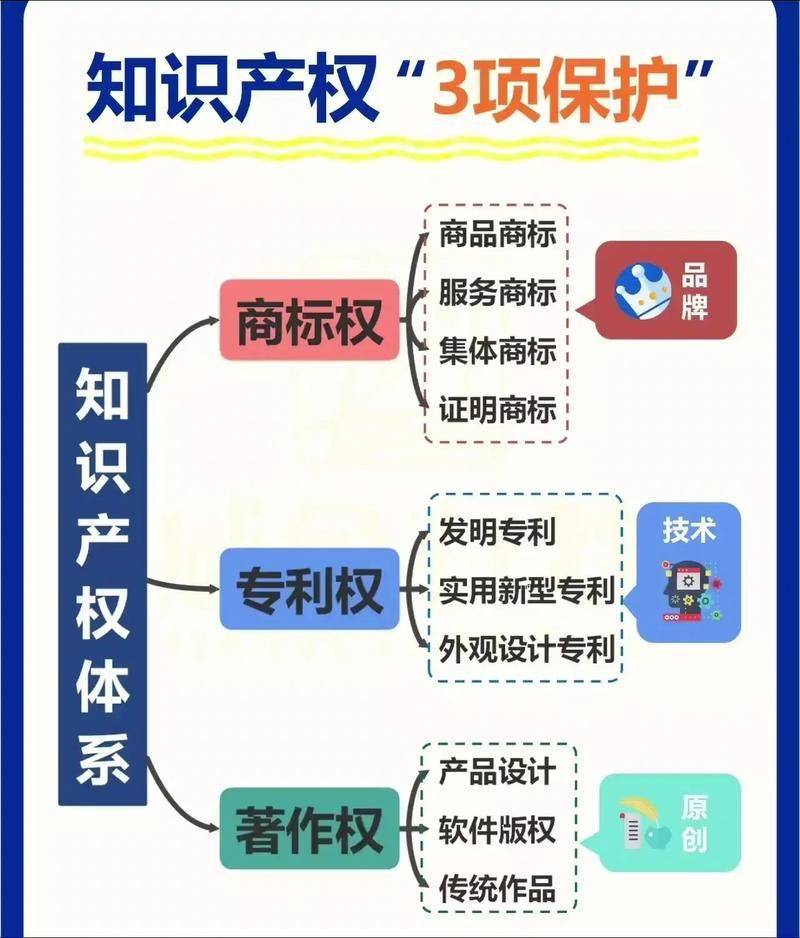
**lemon has numerous registered trademarks at the united states patent and trademark office, including “**lemon”, which have high visibility and commercial value. **lemon athletica canada inc. (the plaintiff) sued dozens of electric companies in the united states federal district court for the northern district of illinois for selling unauthorized torts and counterfeit **lemon brand products on a number of online platforms, leading to confusion among consumers and undermining the plaintiff's economic interests and goodwill. One of these claims required the defendant to compensate for all profits earned as a result of the violation and could face a statutory compensation amount of up to three times that amount or $2 million per trademark. The case was opened on 17 january this year, the interim injunction was granted and enforced by the court on 7 february, the interim injunction was extended until 12 march on 24 february and the preliminary injunction was granted and implemented by the court on 12 march。
N*a products, inc. (the plaintiff) sued more than 140 electrician enterprises (the defendant) in the united states federal district court for the northern district of illinois, alleging significant economic and reputation losses to the plaintiff through the sale, on a number of online platforms, of products such as clothing, hats, toys, accessories and bags that used the relevant n*a trademark without authorization. Some of the trademark information involved, such as the “n*a” trademark with trademark registration no. 1715549, registered on 15 september 1992, international classification no. 14; and trademark registration no. 5277152, registered on 29 august 2017, international classification no. 25. The case was opened on 6 december 2024, the court granted the interim injunction motion on 17 december, the interim injunction was extended until 21 february 2025 and the preliminary injunction motion was granted on 21 february。
Con**, founded in 1908, is a wholly owned subsidiary of** companies known for the design, distribution and sale of famous shoes, clothing and accessories, such as taylor all star, whose brand is worth millions of dollars and whose products are highly recognized globally. Con** owns several trademarks registered with the united states patent and trademark office, such as “con**” “all star” “cchuk taylor”, which are widely used in their products and marketing and have high visibility and commercial value. Con** inc. (plaintiff) sued a group of electrician enterprises (defendants) in the united states federal district court for the northern district of illinois, which involved some chinese enterprises and accused them of selling unauthorized torts and fake con** brand products on a number of online platforms, leading to confusion among consumers and undermining con**'s economic interests and goodwill。
How chinese enterprises avoid infringement of intellectual property rights
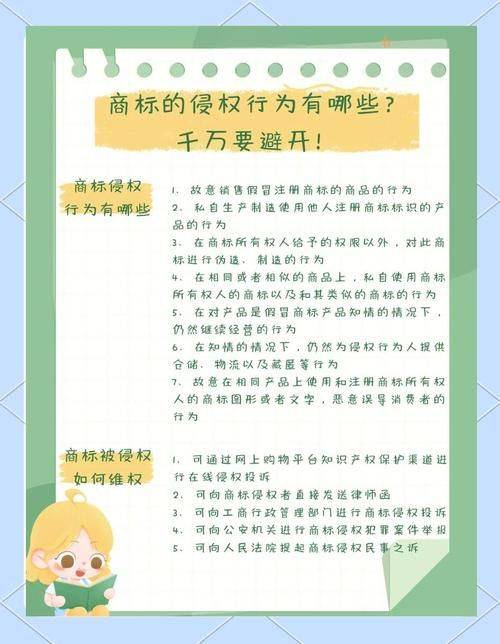
In response, the staff of the hangzhou centre for intellectual property protection interpreted the above-mentioned cases, in which the defendant's business was sued for violations mainly in the following categories: disguise of authorized shops, theft of branding officials' network designs, commodity maps and propaganda cases; the interception of key words, the insertion of misleading terms such as “same factory” “tails” in commodity titles/descriptions; and the circumvention of regulation through the opening of dozens of line shops through false identity information。
How can chinese electricity companies avoid intellectual property abuse
There is a need to strengthen intellectual property awareness, organize training on a regular basis on intellectual property rights, make staff aware of the fundamentals of trademarks, patents, copyrights, etc., and the legal consequences of infringement, and raise staff awareness of compliance. To monitor changes in domestic and foreign laws and regulations regarding the protection of intellectual property rights, as well as cases of abuse and advocacy within the industry, and to adapt their business strategies in a timely manner。
Vendors are strictly screened to provide documents such as legal certificates of authorization, brand qualifications, etc. To ensure that the origin of the goods sold is legal. When entering into contracts with suppliers, intellectual property provisions are made clear and tort liability is agreed upon. The establishment of pre-embracing auditing mechanisms to conduct comprehensive reviews of commodity names, descriptions, pictures, etc., and to avoid the use of the same or similar labels as well as to ensure the authenticity and legitimacy of commodity information。
To avoid the use of vague, exaggerated or misleading expressions such as shop pages, commodity detail pages, etc., such as the description of the brand, function, quality, etc. Of goods, and to avoid misleading consumers. No unauthorized trademarks, patents, copyright works, etc. Are used for shop improvements, advertising, etc. If it is necessary to use other materials, legal authorization should be obtained in advance and the relevant authorization documents retained。
(c) use professional intellectual property monitoring tools or services to regularly monitor the risk of abuse of their own shops and the goods they sell and to detect and address potential abuses in a timely manner. Timely attention to complaints of abuse on electric power platforms, letters of warning to rights holders, etc., is taken seriously and responds positively to avoid the extension of violations due to neglect。
Upon receipt of the indictment, a reply should be submitted to the court within a specified time, expressing its position and views, responding positively and not evading legal proceedings, which could have adverse legal consequences. In cases involving lawyers with extensive experience in intellectual property litigation, lawyers can assist businesses in analysing cases, developing coping strategies, preparing evidentiary materials, etc., and improving the professionalism and effectiveness of their responses。
Collect evidence of the lawful origin of the goods they sell, such as procurement contracts with suppliers, authorizations, purchase invoices, etc.; collect records of the production, sale of the goods, proving that the tort did not exist or that the tort was less widespread。
In the course of the proceedings, the plaintiffs may be consulted on their own initiative to express good faith in resolving the issue and to reach a settlement agreement。