Have you ever seen the white fat guy from the ground
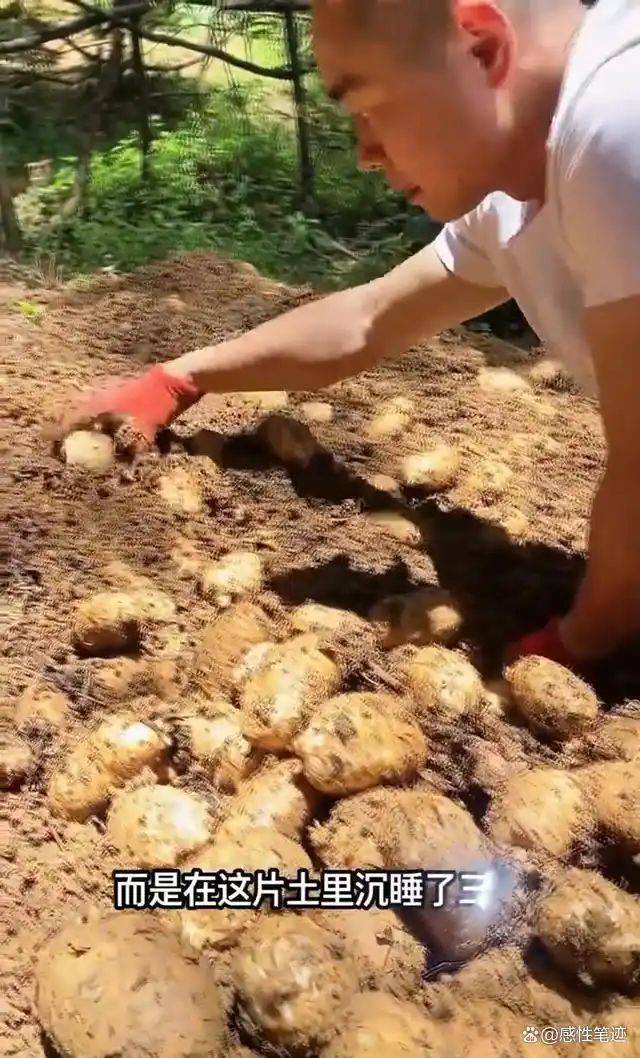
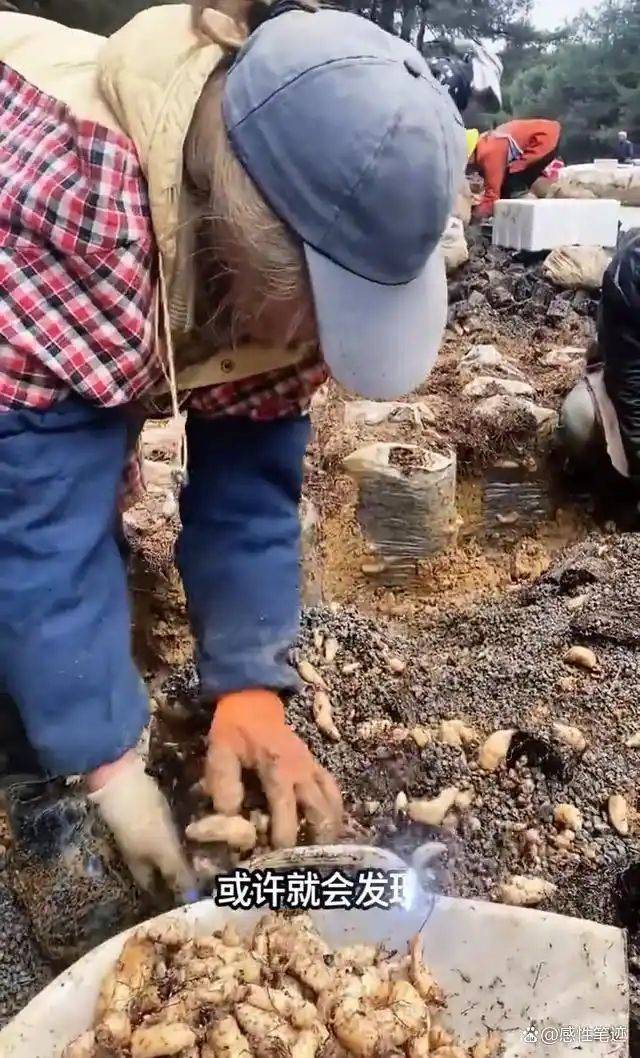
There is no leaf, not even a mustache, and the fat and white are like worms, lying in the dark dirt. For the first time, many people have seen the scene of the qing-ma-ma-poo, and they can't help but wonder: are these plants or animals
It's the famous tian ma。
But — how can tianma live without leaves, without light cooperation? How can you grow so fat in a dark, dark earth for three years
Today, we come here to pick up this strange plant that lies flat in the ground and see how it survives in the shadows with "eating and drinking"。
One: no leaves, no leaves, no leaves, no leaves
Most of the plants we know have leaves, which absorb water and minerals from roots and produce nutrients from leaves. But tianmima is not。
It belongs to the plant, but it follows a completely different evolutionary route. During the entire life cycle of the sis, neither green leaves nor normal roots are developed. Only during the flowering season will the ground be able to extract a straight bouquet of green or orange flowers. And when the flowers are given, the part of the ground dies, and the rest is buried in the tubs — the “white fatty” we see。
So how does it get nutrition
The answer is "social": all of it。
Tianma himself does not produce nutrients and has chosen a more energy-efficient way — to find “food tickets”. This meal ticket is a fungus called the meringue. The honey circulus can be grown in large quantities in the soil, forming a dense web of myctic silks that decompose the roots of trees, cellulose and woody morbid leaves and convert them into absorbed nutrients。
And the plume surfaces of the cynics, they are the source of a substance that attracts the filament of the meringue. Once the mycelium enters, tien ma begins to “gobble” - it will disintegrate the enzymes, decompose the intruding filaments and directly absorb the nutrients in the filaments。
Tianma invited the meringue to the door and ate it。
This method of survival of “eating and drinking” is biologically called symbiotic parasites. It's impossible to get rid of it, but it doesn't have to be. So it's more like a "plant parasite" to be exact。
Ii. Three years of subterranean subterranean ambush
The growth rate of tianima is alarmingly slow。
It usually takes three years to get from seed to the tubing that forms the product specifications. In the first year, seeds are symbiotically associated with the honey circulus, slowly growing a plume of rice size; in the second year, the plume expands into a plume of thick fingers; and in the third year, the plume grows into eggs and even fists, and becomes full of fatness。
For the past three years, tianma has remained in the dark soil, with no head, no leaves, and a continuous flow of nutrients through the network of honey rings。
It was not until the third autumn or the fourth spring that the tubers accumulated enough nutrients to produce a flower, break the soil, produce flowers and perform their reproductive tasks. And when the flower results, the plume rots and ends its life cycle。
Interestingly, tianima's flowering time is very short, usually one to two weeks. And it's very special -- it's got a honey gland in its lip petals that attract insects like bear bees to pollinate。
In other words, tianma has devoted much of her energy to underground “food hoarding” and only a brief appearance on the ground。
Three points of inspiration to us from tianmama's alternative survival
This unique strategy of survival can actually help us understand the laws of many natures and correct some common faults。
One: tianma is wild. Okay
Many people feel that tianima has to dig wild to be valuable. However, according to publicly available information from the institute of pharmaceutical plants of the chinese academy of medical sciences, wild omegranate overexploitation was included in the national list of priorities for the protection of wild plants decades ago. At present, the vast majority of the market is planted by hand。
The technique of artificial sterilisation is well developed — it is also possible to grow stable sterema of quality through the cultivation of honey circulos. Moreover, artificial cultivation can control harvest times and ensure the full maturity of the stem。
So there is no need to pursue wildness blindly, but legally compliant artificially grown products are more reliable。
Zone 2: tian mah can plant it and throw it into the ground
On the contrary, tianima is very difficult to handle。
Because it doesn't have roots, it's totally dependent on the meringue. If you want to grow geisha, you have to grow honey circulus first. Farmers need to prepare fresh broad leaves, such as green logs and logs, to immunize the fungus species and, when the fungus is full of wood, to put the saps or seeds in them。
It is also sensitive to temperature, humidity and soil permeability. Too high or too low a temperature would decomposed or dormant the tubers; they would be wet enough to become infected with the fungus; and they would have poor soil slabs, and they would be hungry。
So it's a technocratic job, not just to throw it in the ground。
Miss three: the whiter the whiter the fresher
We often see white and smooth skyslides on the market, and many feel that this is a “good deal”。
However, fresh extraction of the aroma skin is yellow or light tan, with rings and budding on the surface. If the colour is white and the light is not natural, it is likely to be fumigated or chemically bleached. Sulphur fumigation, though corrosive, may leave sulphur dioxide, irritating the respiratory and digestive tracts。
A simple way of judging: smell. The normal aroma has a faint or odour of fungus, while the sulfur is fumigated with a snotty acid. In addition, the surface is wrinkled after normal lymphoid drying, the colour is brown, while the dry lymphoma of sulfur is white and the surface is smooth。
Iv. General human contact, bearing in mind three practical suggestions
If you want to buy or use tianima in your daily life, the following three points will help you avoid common pits。
First, look at the shape and the ring
High-quality plume tubers are long elliptical or egg cylindrical, slightly flat, with red-brown parrots on one end (residual sprouts) and round “breath buttons” on the other. There are 10 to 20 rings on the surface, which are clear and organized。
Two, with a hand and a bite
It's fine, it's solid, it's hard to break. Take it in your hand. It can be used to bite the fractures - flat, horny and bright; if the faults are loose and the powder is too large, they are of poor quality or stored too long。
Third, be safe to eat
As common food, tianima is used in some areas to cook chicken and soup. It should be recalled, however, that tianima is not everyone's fit. According to the chinese pharmacy and the relevant general information, tien qin contains components such as thin, which may cause discomfort to some of the population。
Most importantly, tima is not a healthcare product, much less a substitute for medicine. If you have a well-defined health problem, you must consult with the doctor at the regular hospital and do not rely on tianmima for “commodation”. We are here only to share knowledge of botanical science and common knowledge of food, without any medical advice。
The "landing philosophy" of tianma is, in fact, the ultimate wisdom of survival
Back in the day, no leaves, no cooperation, but thousands of years underground. Its strategy is simple: to find partners, to focus on hoarding food, and to endure loneliness。
Three years of waiting in darkness, only for a brief flower. This ability to “delayed satisfaction” is not uncommon in the plant community。
We always thought that plants should be born to the sun and grow. Tin-ma tells us that not only can you live with cooperation, but can you win without taking a head。
It's not really lazy to lie down. It relies on a fine mechanism that has been sharpened with the meringue for hundreds of millions of years and on perfect adaptation to the dark environment。
The next time you see the white fat guy that's been digging in the dirt, you can think of the three years it's been eating in the ground。
What do you think of this strange plant? Or have you ever seen tima grow? Welcome to the comment section。