The production of black bean sprouts with bubble plastic boxes, the simple installation of planting facilities and the non-hazardous production of sprouts are very popular among consumers。
Production sites cultivation sites are greenhouses or idle houses and balconyes. Suffice it to meet the temperature, humidity, light requirements for sprout growth and to have sufficient clean water sources。
In order to use space efficiently, production facilities may use shelf farming or place seedlings directly on the ground. Slender boxes mostly use bubble plastic boxes with a specification of 56 cm x 40 cm x 16 cm. Four small holes were inserted around the slender box to leach the excess water from the box. Waste pay is generally used as a planting matrix. Large-scale cultivation should also be equipped with micro-jet facilities, with more use of sprayers or high-voltage canteens for small-scale production。

Spreading seeds before planting and drying them up. First, two times with clean water, then 6-12 hours with 20-30 degrees of warm water. In winter, when the temperature is low, seeding can take longer and summer is shorter. The amount of water used is 2-3 times the volume of seeds。
After the leaching has been completed, the slime on the skin is slowly washed, and then extracted, the asphalt is dried, evenly distributed into the bubbling plastic box, which is pre-settled with wet newspapers, and each box is about 500 grams of dry seed. After seeding, every six saplings are put together, with an empty box on top to cover the sun, and placed on the planting shelf or on the ground to germinate. The temperature was maintained at 25-30 degrees during the sprouts, with one upward and downward change of position per day. At the same time, the spray is wet and the amount of spray should not be too large and the boxes should be free of water. In general, water is sprayed 2-3 times a day at a distance per sapling box。
In order to avoid saplings and sprouts, the sprouts should be spread out in a timely manner when the sprouts grow to 2-3 cm。
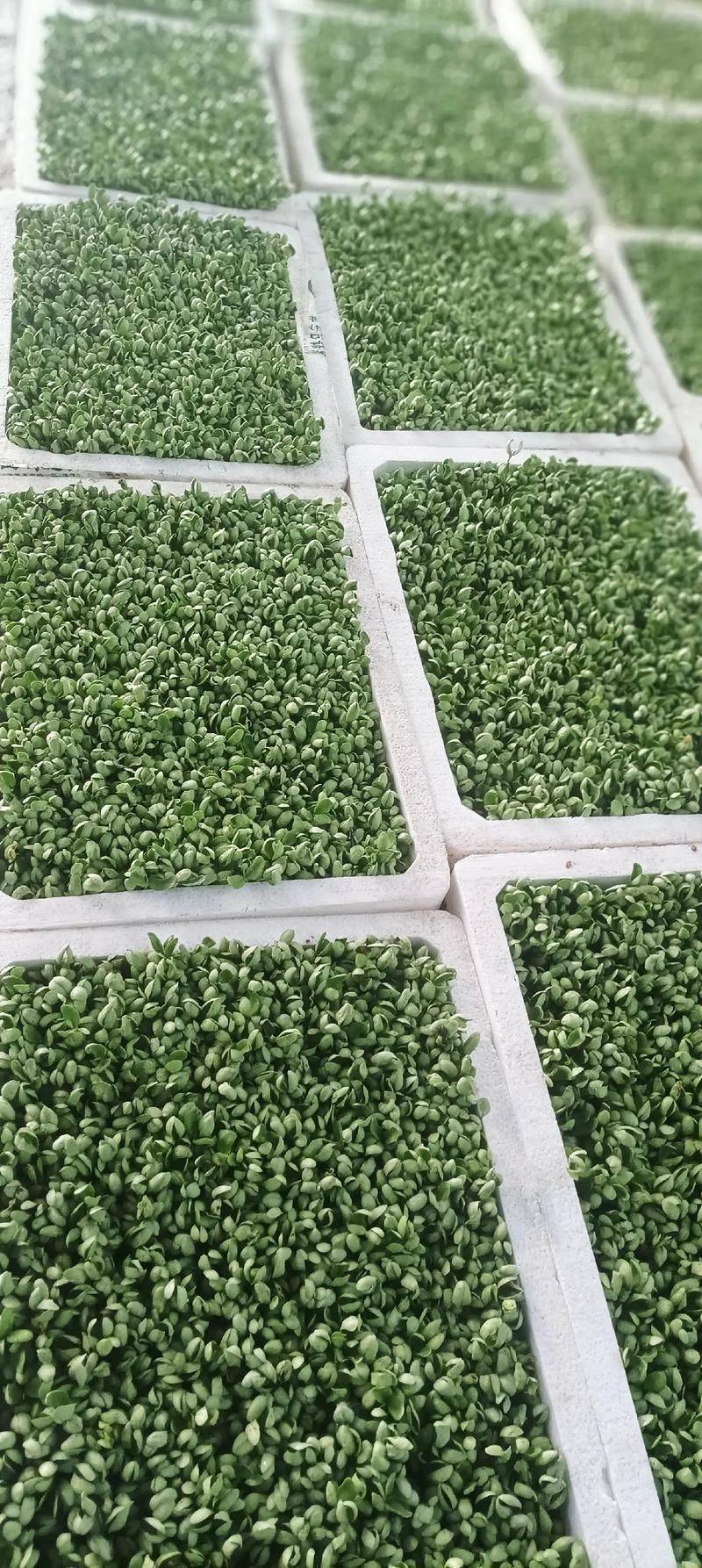
(1) light management. In order to smooth the transition from black bean sprouts to a cultured environment under conditions of dark, high-temperature, high-humid sprouts, seedling boxes should be placed for one day in an air-temperature, relatively moist and weak light before being produced by the migration, and seedlings should then grow under dispersing light, so that the sun is not projected in such a way as to reduce the quality of the sprouts by early formation of fibres。
(2) temperature and ventilation management. The sprout phase requires temperatures of 25-28 degrees and 18-25 degrees after the box is released. The winter sheds should be heating up. Hot summers cover the sunnet and increase ventilation in order to keep the ambient air fresh and to reduce seeding。
(3) humidity management. Water is sprayed 2-3 times a day, and the amount of water sprayed should not be too large, and it is appropriate that the contents of the seedbox be wet without water. The floors in the sheds are also wet by water and the relative humidity of the indoor air is maintained at around 85 per cent. Less water is sprayed in the snow, snow and rain, and more in the weather and in the dry。
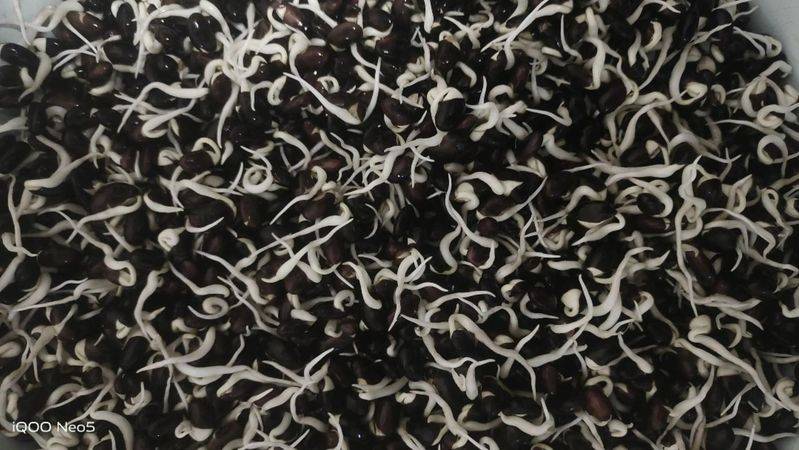
Rational prevention of the disease the black bean sprouts rarely occur, but the seed is perishable during the sprouts, and the seed drops are long-lasting. In order to ensure that products meet the criteria for green, non-hazardous food products, equipment such as sapling boxes should be strictly cleaned during production, using a 0. 1 per cent potassium permanganate solution for smog boxes and shed spray. The saplings should be removed at an early stage。
6-15 days after planting, the leaves are fully developed and the embryos can be collected or sold with boxes 12-15 cm long。