The introduction in spring 2008 of tobacco flow 3, with the introduction of high-quality seedlings, balanced fertilisation, scientific integration, fine management of single fruit, and green control of pests and diseases, yielded better economic benefits。
1 selection of high-quality seedlings
Plantation is built to produce a 2-year sapling of high quality, with a height of more than 1. 2 metres and a diameter of more than 1. 5 centimetres, with more than 8 full saturated buds in the plastic belt; and a root of more than 5 aluminum, 20 centimetres in length, 0. 45 centimetres in roughness, where the marriage interface is healed well。
2 high standard parks
The trees were planted in early april, digging up a metre of caves. High-quality farmers are fattening 50 kg, phosphorus weight 2 kg, ammonium phosphate 0. 5 kg, fully laced with the topsoil and then filled into the ground, planting the roots using two or three drops of seedlings to stretch the roots, in close contact with the soil and eventually to the ground. (b) ensure that planting depths are consistent with the growth of the tree in the nursery, and that water is filled in a timely manner and then covered with soil. It's dry in time (0. 8 to 1 m). When dryed, the cut was sealed with waxed waxes, shearers, rinks, etc., and the whole bag was planted with a pole bag measuring 5-7 cm wide and 90-120 cm long. When the tree leaves in the bag grow to about 3 cm, they go in 3-4 times。
3 tree-covered film
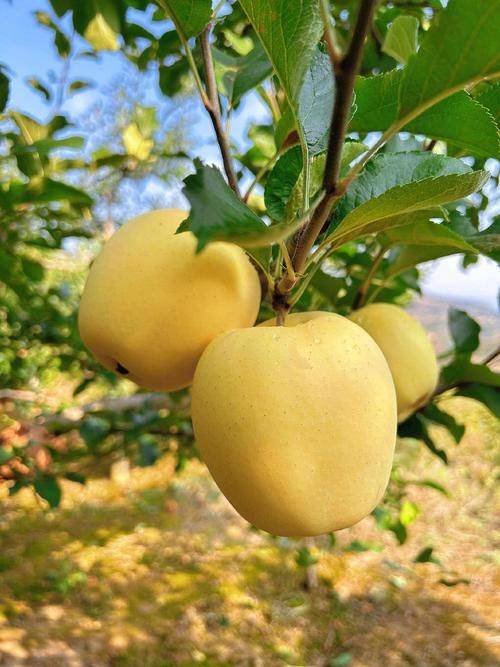
The new park should be covered with a membrane covering, with the membrane attached to the ground, and the central hole and surrounding area covered with wet soil. To maintain soil moisture, increase the temperature of the ground and ensure survival and good growth during the year。
4 reasonable time
Inter-street work, preferably with green fertilizer or pulses; inter-street cultivation must leave a clear crop zone of at least 1. 5 m in year 1 and 2 m in year 2。
5 vegetable roots and balanced fertilization
Every autumn, 4-year-olds are born into a nursery, 1,000 to 1,500 kg of rotting high-quality organic fertilizer per acre in mid-september, 5-year-old orchards, 3,000 to 60 kg of rotting high-quality organic fertilizer per acre. A certain amount of fast-acting fertilizer is supplemented by the application of base-based fertilizers, which are followed up before the bud (late march to mid-april) and are predominantly nitrogen-based, combined with phosphorus fertilizer, with an acre application of about 20 kg. During the long-term booming period (late may to early june), fattening was pursued, mainly by phosphorus and potassium fat, in combination with ammonia nitrogen. For the third time, fertilizer was followed up in the pre-breeding period (early august to mid-september), dominated by potassium fat and acre potassium sulphate at 50 to 70 kg. In addition, folate is sprayed 5-6 times a year. Leaf fertilizers were mainly sprayed with two doses of potassium phosphate 300 times the acid during the flowering sprout (from late may to late june); fruit expansion (from early august to mid-september) with 200 times the potassium phosphate or potassium sulphate sprayed twice to prevent the occurrence of physical conditions such as apple acne, poxia, etc.; and two rounds of amino acid or calcium fertilizer 600-800 times the apple a day or so after apple calcium is cut (40 days after flowering)。
6 tree culture and orthopaedic trim
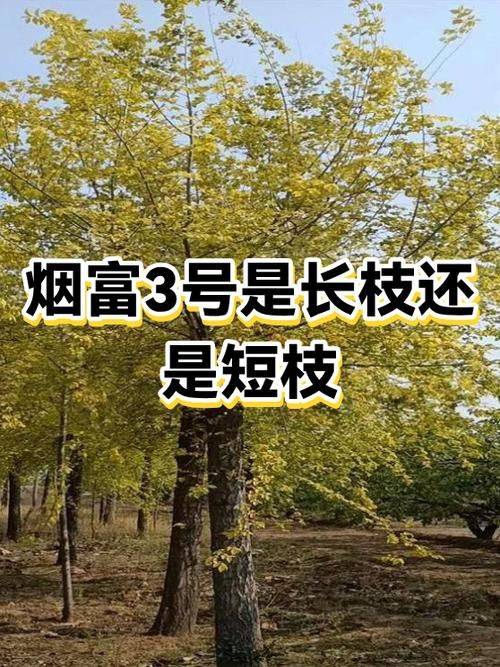
Cycling apple gardens are mostly in the form of free hammers. In management, the dynamic management steps are followed in the form of “child-breeding, age-catching norms, tree-to-tree conversion”. Teenage tree formation and plasticization are trimmed in accordance with the "annual drying, two-year cropping, three-year ladder cutting, four-year flowering, five-year production". In april-may of the third year, all branches were pulled to 90° and temporary branches to above 120°. Over the next few years, the winter trimmed mainly with branches, and the long and weak ones; the summer trimped mainly with pull branches, and all the main branches were not short, but simply extended the trunks to the head. The shape is completed when the tree rises to 3 ~ 3. 5 meters。
As a result of the beginning of the branch in the second quarter of the year, in the fifth year, the whole tree reached a large number of trees, which were 3 to 3. 7 metres tall, and were used to replace the head with a dry extension of the cutting centre for the weak. The tree canopy is then controlled by means of branch updates, retrenchments, etc., and the conversion of short- and medium-term results branches is continuously updated。
7. Fine management of flowers
Tightly ooze. In the initial flower period, marginal and weak flowers are removed, centre flowers are kept, strong flowers are kept and artificially assisted pollination is performed. It starts three to four weeks after the flower, with a positive drop. By acre, by tree. Vegetable acre production is controlled at 2,500-3,500 kg. After 30 to 35 days, a bag with an efficient, low-toxic residual of insects, mites, microbicides was sprayed in front of the bag. Started on 25 september with the exception of bags and removed from the inside before and after the national day. Water is poured in front of the bag and in front of the bag, in order to prevent it from burning. Take your bags in the rain so that they don't colour. In order of colour, the harvest is phased。
8 green control system for pests and pests

Comprehensive application of biological and physical control methods. Creation of a hail net, air-mounted frequency-fibrous insecticidal lamps, imposition of enticing baits, sugar vinegar, yellow sticky boards and dropping of dictums; entrapment belts or weeds on trunks; 3-dimensional physical, biological insect-proof systems such as silver and grey film under trees。
Consistent with the principle of “preventive, integrated management” and timely capture of the four critical periods for disease and pest control, namely, pre-emergence, one week after flowering, pre-package, pre-circle and pre-circumbation, can effectively combat pests and diseases that occur throughout the year. Spraying three to five pyrotechnics a week before the bud, protecting the tree body and reducing the disease index. One week after the flower, one high-efficiency, low-toxic, wide-spectrum insecticidal, fungicide, carbicide and amino acid calcium folate is sprayed with 1. 8 per cent (mass fraction, later) of dicofrin 5,000 times + 3 per cent more than anticin 500 + amino acid fertilizer 800 for white powder, red spider, etc. The pack is preceded by a squirt of m-45800 + 1. 8% of zimulin 5,000 + 10% of zimmonium 3,000 + memorium 800 + spectrogen foliage, pox disease, red spider, aphid, etc. Before and after the harvest, from late june to early july, pyrethroids were sprayed with 2,000 times more + 1. 8 per cent of dicofol 5,000 + 70 per cent of methyl tobuzin 1,000 times more, and pests such as heartworms, red spiders, and spotting leaf disease were prevented。
"friends of the gono"