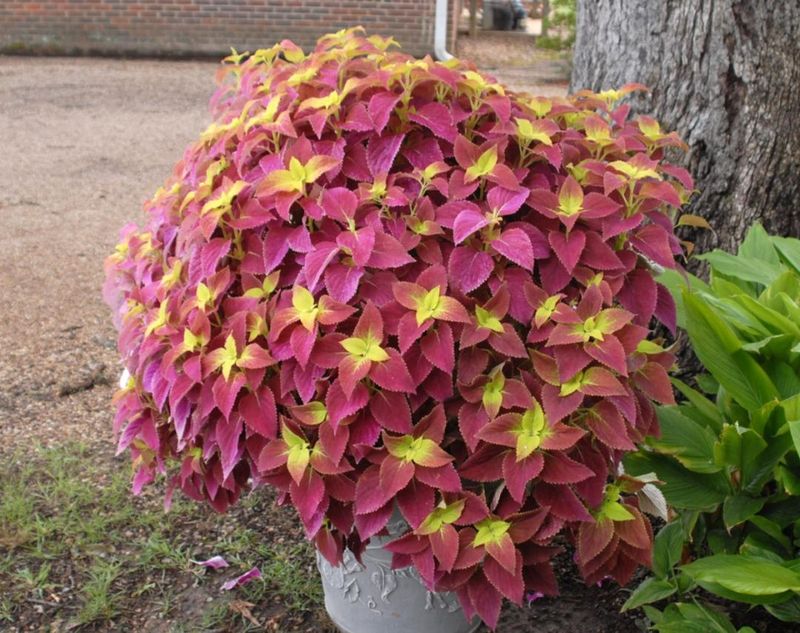
We're talking about high-yield and high-impact cultivation
In recent years, the town of fhifa has adhered to the principle of "orders are orders, orders are quality, orders are efficiency" , with high standards, high quality, rapid and orderly promotion of the chrysanthemum cultivation, holding on to the chrysanthemum cultivation, holding on to the chain, and creating a climax. In the area of pre-planning, cut-off and identification of the fields, identification of four-to-four items, identification of the area to be planted, household visits to determine the area to be planted, supplementing 50 kg of compound fertilizer per acre with a total area of 3,400 acres and 324 farm households. At the same time, in accordance with the principles of scientific planning and rational layout, 88 acres of water fields of the winning communities of katoyama, which are highly fertile, flat, accessible and close to the water source, are centralized in order to collect the seedlings by appointment, ensure that the seedlings are grown on a qualitative and timely basis on demand, and actively invite experts from the rural and agricultural directorates of the municipalities to conduct mentoring training and provide technical support for nursery, ground preparation and planting; agricultural station cadres and technical instructors have been active in breeding, pre-positioning and planting sites, advising growers on the transfer of curry, wiring, fertilization, planting, watering, etc. To ensure that technical measures are in place. This paper focuses on practical work experiences and addresses the technical aspects of efficient and high-yielding cultivation, which it is hoped will help a wide range of peers through this study。
Scientific seedlings
1. Preparation for seeding
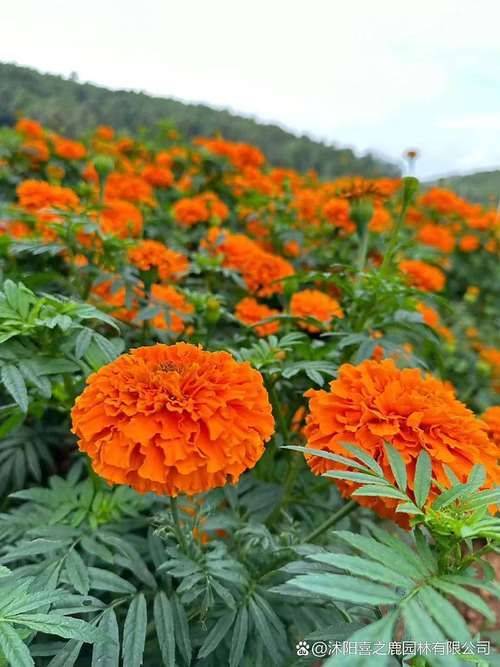
The best planting dates are set in conjunction with the planting time in daejeon. In general, 35 days before the planting of the field. In winter, nursery time is usually in the early part of march and in the early part of april. The planting time in the spring is usually contained in early april and in early may. Scientific choice of seeding grounds should be made prior to sowing, and generally the choice of areas for cultivation with a backwind to the sun, a thick soil, easy to drain, easy to transport and suitable for the land of the border and the sandy soil. It is important to avoid the choice of areas for cultivation of pyrenic crops and to avoid the scalding of soil in the selected areas. The preparation of seedbeds is completed two weeks before seeding and the various miscellaneous items and roots of the bed are cleaned up in a timely manner. After the clean-up was completed, clear weather was chosen for the tillage of the soil, and five days before the seeding was carried out to make the ground level and the soil porous and soaked. Combined with soil tillage, each acre follows a fully decompeted organic fertilizer of 1,500 kg, and while the field is flat, each acre is applied to a compound of 30 kg of potassium sulphate fat, followed by a 160cm open-side, 110 cm wide, 50 cm wide and 15 cm deep on the bed. Upon completion of seedbed production, 100 g of bacterium-dane, 100 ml of high-efficiency chlorocypermethrin to water, 30 kg for seedbed spray insecticidal to prevent endemic diseases and pests in the field。
Scientific seeding
The sow per square metre is controlled at 2g and 20g per acre. Before seeding, the choice was to impregnate with 45% of fresh metamine 3000 times more, leaching 12 hours later and drying up the seeds completely, which would prevent the disease during the nursery period. Spray the seed evenly on the bed, then cover the seed with wet soil, and keep the thickness around 1 cm in order not to see the seed. Following the completion of the soil cover, the seedbed irrigated the water once, in parallel to the surface, and the water was contained for about two hours to ensure soil infiltration. When underwater seepage occurs, 60 per cent of lasagna cream 120 ml to 30 kg of water is selected for seedbed spray, which is then covered on the market by small arches, which are at an altitude of 50 cm, usually at an early and late stage, and should be covered with tight soil pressure for four weeks。
3. Shrimp management
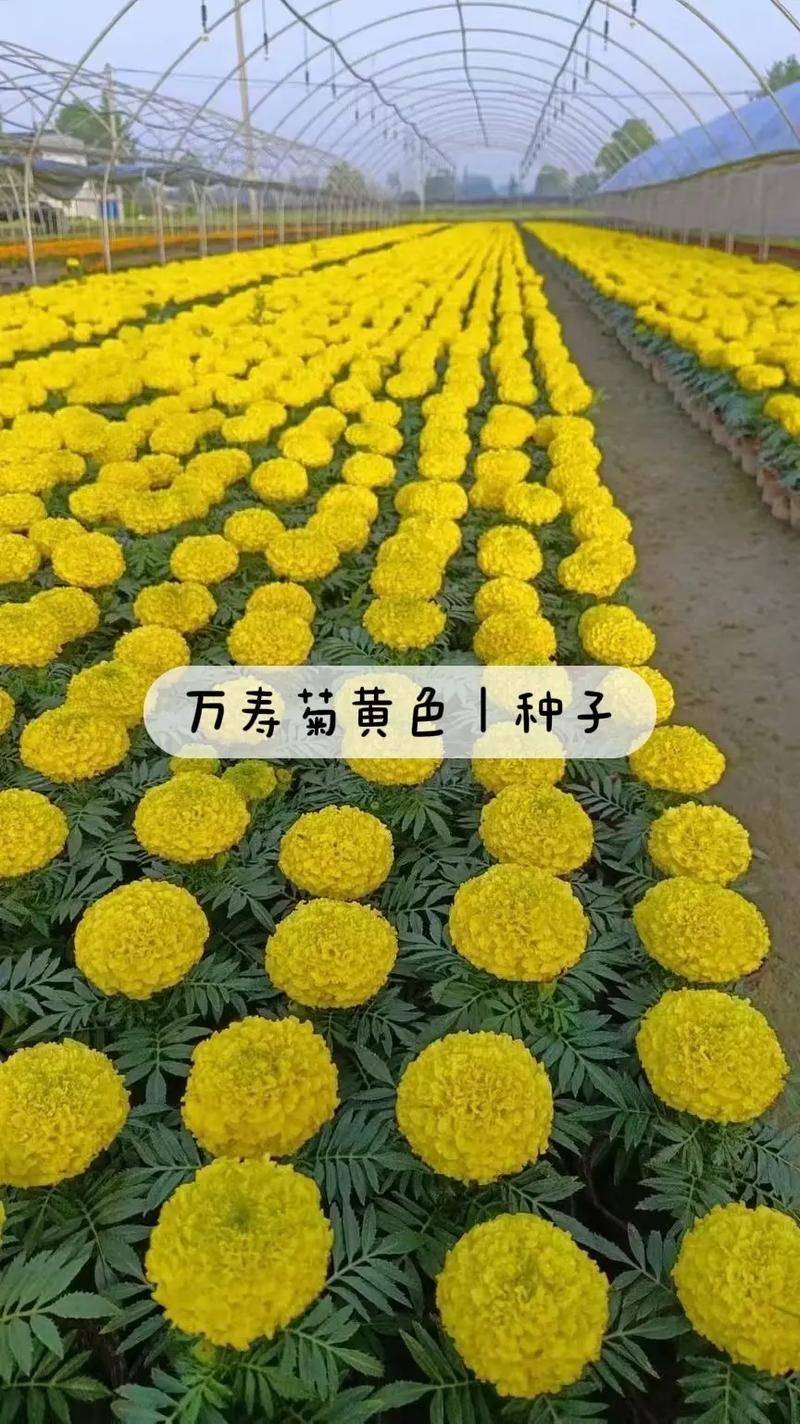
Usually, after four to five days of planting, the chrysanthemum can grow normally, and the whole seedling can grow in about seven days. After full seedlings, in order to prevent high temperature burning, it is possible to open a 15 cm diameter vent at both ends of the arch, a 10 cm diameter vent at 150 cm intervals on both sides of the arch, and to increase ventilation as the seedlings grow, usually after 10 to 15 days, before and after the nursery, to 50 cm on both sides. After 18-25 days, seedlings are treated. At night, both ends of the small arch shed were completely opened for ventilating seedlings and, after 22 days, the diaphragm was removed. In the case of large seedlings, planting should be done early and the diaphragm should be delayed to 20-25 cm. It should be followed by the manual weeding of seedling beds, which will ensure the availability of nutrients and the rapid growth of seedlings。
Ii. Mobilization in time
Pre-planting should be preceded by the scientific choice of planting grounds, which are usually facilitated by transport, sufficient water supply, mechanization, soil fertility above medium, avoiding planting in areas far away, with inadequate infrastructure and less able to grow in low-lying soils. Pre-plantation should be preceded by a full-scale mapping of the plantations, with soil tillage being done, followed by 160 cm and 80 cm wide and 80 cm wide. It is generally chosen to migrate in the clear weather, so that sufficient light-hot resources can be obtained to ensure the early flowering of the daisies, to extend the period and to increase the production of daisies. The whole acre was preceded by a combination of 100-1500 kg of fully decomposed organic fertilizer and 25kg of potassium nitrogen phosphorous compound for the chrysanthemum. When the seedlings grow to 20-25 cm, the stem diameter is 0. 3 to 0. 4 cm, so it can be replanted. In the process of planting, planting is carried out at a distance of 40 to 50 x 50 cm from the pig's business, with the established density of each acre in the fertile fields being controlled at 1800 to 2,000 and in the dry fields at 2000 to 2,200。
Iii. Field management
1. Scientific water cost management
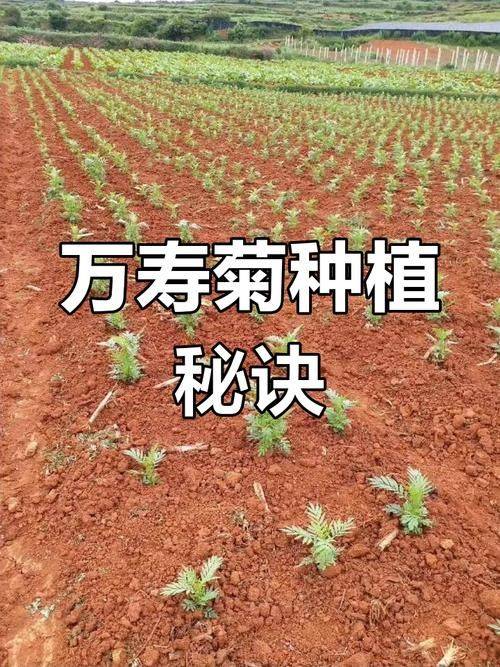
Following the removal of daejeon, the demand for nutrients is high until flowering, and the base of the rod is prone to root branches or fractures, which can trigger the fall of the daisy. Thus, 20 to 30 days after planting, pine soil and fertilizing should be done, with the field being kept at 10 to 15 cm, so as to prevent the fall of the chrysanthemum and to increase the weight of the chrysanthemum and yield per acre. In combination with high-breeding fertilization work, 25 kg per acre of potassium nitrogen phosphonate is generally used to follow the compound fertilizer, ensuring sufficient nutrients for the second half of the chrysanthemum and increasing production per unit area. After 15 days of vasectomy, urea 5kg is followed by water to accelerate the growth and development of seedlings. Following the first flower harvest, 10 kg of compound fertilizer was applied per acre. Rainy weather is very likely to occur in the middle and late years of life, when drainage should be done in the field to avoid the spilling of water into the field, which causes the fall of the daisies and pests。
2. Pest management
The principle of prevention should always be upheld in the prevention and control of pests and pests, the prediction of pests and pests should be enhanced, the prevalence of pests and diseases should be kept up to date, different chemical agents should be selected for targeted control and the use of highly toxic highly residual pesticides should be banned. The main pests that are common in the planting of the vermin are aphids, adhesive moths, red spiders, and the main pests are brown spots, asympathies and viruses. In the process of growing daejeon, growers should focus on the prevention and control of chrysanthemum, which is most likely to occur in the middle and later stages of chrysanthemum growth, especially during the clean-up phase after the rain, and which is likely to lead to a reduction or even a collapse of chrysanthemum. Prevention of the disease should be based on the choice of 45 per cent of the peptol, or 40 per cent of the metamine, which can be used in alternate sprays, after each harvest or recovery of the fertile soil, and can have a good preventive effect. Aphids, adhesive moths and red spiders may choose to use high-efficiency and high-efficiency preparations, such as chlorocypermethrin and avil。