Reproduction
This is done by sowing or interpolating reproduction. In late march-early april, planting took place at a temperature of 15-20°c, and a week after the planting took place, the plant was planted at 5-7 primary leaves. Range 30-35 cm. It would be useful to have that in may-june, and it would be easy to live. It is simpler to manage, fertilizing every 20 days from planting to flowering; it is the heart that drives the branches。
Feeding
1. Time, area and amount of seeding. The birth time depends on the time of planting. It is common for a sapling to grow around 40 days before planting, requiring 20-25 m2 of a sapling bed for each sapling of 667 m2 and planting about 30 g。
Breeding methods
In the spring, the chrysanthemum is bred with yin or small arch sheds, most of which are small. The seedbed chooses the backwind to the sun, and it's better to follow things. The width, length and management convenience of the nursery bed should not normally exceed 1. 3 m. The archer height is about 60 cm. A thin film is best chosen with a warm, warm, non-dip film. The chrysanthemum is grown with seeds, which also allow breeding. The former is used for large-scale planting and the latter is often used for rare varieties. Seeds can be planted four seasons a year, usually in the spring and in the summer and winter. Seeds are readily available and are self-sowning. From late march to early april, the ground was covered with a total of 0. 8 centimetres thick. The water is then watered with a thin-eyed canteen to keep the soil wet. One week after the temperature is 20-21°c, the seedlings are sprouts and seven leaves around the month, at which point they can be transplanted. The seedlings grow at the highest temperature of 15°c. The seedlings can be planted at heights of 10-13 cm, with a range of 30-35 cm. Early-maturity varieties have a long-term nutritional cycle of about 40 days and late-maturity varieties of about 90 days and two months. For a long period of may-june, three to four knots of a strong and growing brow were cut, 6 to 10 centimetres long, inserted under the cavity for embroiled seedlings, with a matrix of washed river sand or garden soil. Plug in depths of 2-3 cm to keep the soil wet. Two weeks later, the roots took root, three weeks later, the nurseries were set up and the flowers began to bloom for about a month. A large number of luminous injections are sprayed with full light and the matrix can be used with pearl rock. Because the spray increases air moisture, it leaves no sun during the day, leaving more leaves in the ear than conventional seedlings. It takes about a week to take root and then to replant。
3. Fertilization of the whole body
The soil is not so demanding, and the soil should be deep, loose and drained with good gas. It's 20-25 cm deep, which makes the surface soil soft and thin and flat. Each 667 square metre of seedbed is fertilized with 200 kg of soil, 2 kg of chrysanthemum for the sole purpose of the chrysanthemum, which is rolled down into the ground, where the fertilizer is spread evenly on the surface, and is drawn into the ground with a pickle, which is then dredged and levelled。
Seed treatment
Seeds are selected first, impurities and seed are removed and seeds are fully filled. The selected seeds are then tanned in order to kill the fungus, increase the vitality of the seeds and increase the growth rate. Seeds are immersed in 35-40°c hot water at 3-4h before seeding, then they are filtrated with clean water and can be sowed with dry water. Mettobuzin or enzymes can be used to plough for anti-prevalence diseases。
Sowing
The seeding should be free of wind and clear. On the day of seeding, the seedbeds are filled with water, which can be sowed once the water has dipped. When seeding is done, the treated seeds are mixed into the sand and spread over the seedbed in two to three parts. The seeding was followed by a sifting of 0. 7-1 cm。
6. Slender bed management
In the spring, the sown chrysanthemum comes out of the sapling six to seven days after the seeding, so that the temperature in the seeding bed does not exceed 30°c, so as not to cause the burning of the seedlings and the rotten roots. Following the expansion of the first pair of the leaf up to about 3 cm, attention should be paid to ventilation and to the prevention of the wavelength. The temperature in the nursery is maintained at 25 - 27°c and should be ventilated at 8 - 9 a. M., without venting at high noon temperatures, in order to prevent the creation of flash seedlings. If the weather cools, stop the ventilation. When the average outdoor temperature is stable at more than 12°c, clear and windless weather should be chosen, the film removed and weeds removed from the nursery. In the event of a shortage of water, water should be sprayed over and filmed and vents increased, and water should not be overloaded in the seedbed in order to preserve the wetness of the dry beds between the beds. When outdoor temperatures are stabilized at 15°c, the membrane seedlings should be decontaminated, and water must be stopped about seven days before planting, and pre-plant seedlings should be carried out in preparation for planting。
Deplant
1. Timing of planting
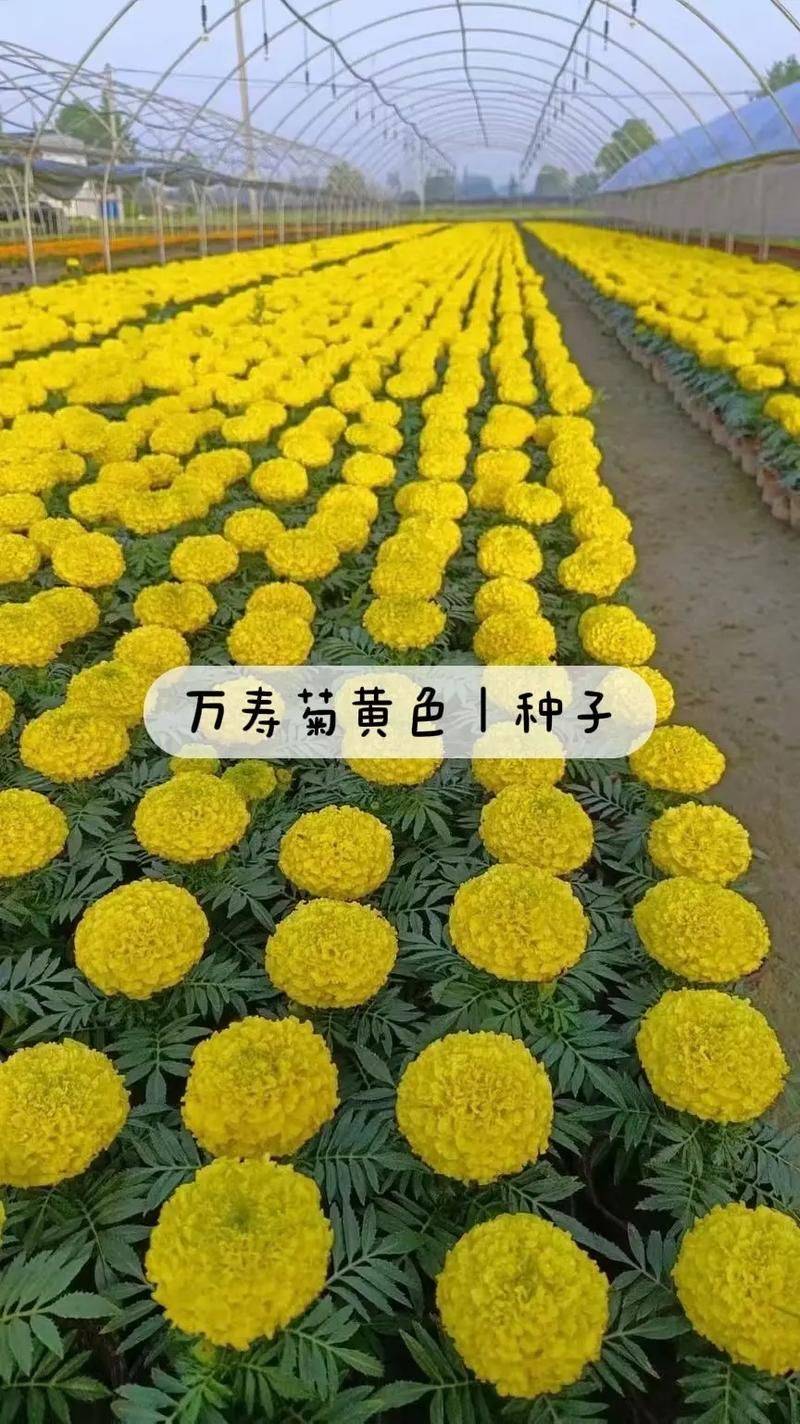
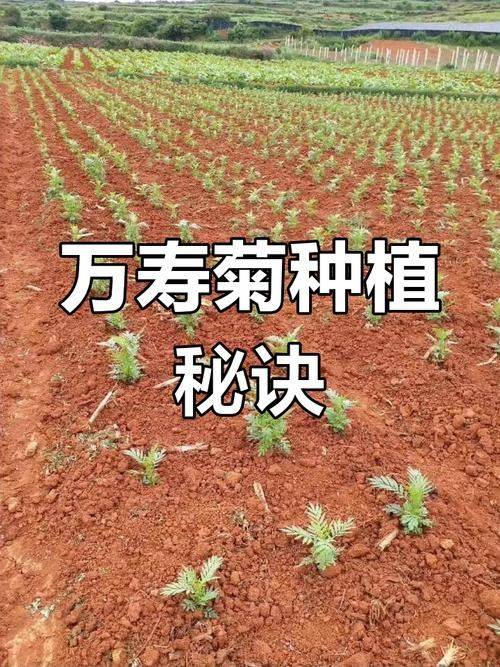
It is possible to remove plants when the pyre is 0. 3 cm thick, 15-20 cm tall and 3-4 pegs are present。
2. Cultivation patterns
Cultivated on a scale of 70 cm, 50 cm, 25 cm and 4,500 seedlings per 667 m2, by size。
3. Membrane coverage。
Watering
After planting, water is pouring in, causing early seedlings and early rooting。
Field management
1. Cultivated land
It is followed by a shallow protection of the seedlings, with small branches when they are 25-30 cm high, and the soil is taken from the gutter to grow the base of the plant in order to stimulate uncertainty of root, prevent reversal and inhibit the growth of the weeds under the membrane。
2. Watering. The soil is then watered on the basis of soil acreage. It should not be too large at each time, so as not to damp or wet the soil。
3. Extra-heavy fertilization is followed by extra-heavy fertilization when flowers bloom and sprays at 30g urea per 667 m2 and 30g potassium phosphate。
4. Pest management
There are fewer pests, mainly viral diseases, deadness and red spiders. The treatment of viral diseases with viral and bacterial intoxication is based on the treatment of 75 per cent bacillus, polyboxins, aluminum abdophos, methyl-tobutzim; the treatment of red spiders is carried out at an early stage, using 40 per cent of oxidated fruit 1000-1500 times or 50 per cent with 1,000 times the milk of mara parathion, with a single dose of 7d and a series of two times。
Underground pests are mainly thorium and thorium, with a 3% furfuran or 5% thorphosphate granular agent of 0. 75-1 kg combined in the soil, and red spiders, aphids, and aphids can be treated with 1. 8% mites and cracks。
Chrysotile diseases are mainly leopardism, plagiarism, root decay, etc. It is important to uphold the principle of prevention over cure and to combat disease in due course. In particular, microbicides should be administered once during the curvature period。
Disease and prevention measures
Fungi infections:
Black spots: mainly inflammation of leaves, leaf handles and tender stalks, with purple-to-brown spots on the front of the blades when they start to develop, expanding to cover black and brown spots that are round or indeterminate. Drugs such as multibacterium, methyl tobuzin and daconing can be sprayed。
Powdering: infringement of young leaves, white powder on both sides, early symptoms are not visible, and three to five days after the appearance of the white powder layer, the leaves are stained with water, loss of green and yellow, and severe injuries cause the leaves to fall. Polyspirin and triazine are sufficient during the onset of the disease, but the effects are best in national light。
Leaf is dead: most of the leaves come in, first yellow dots, then quickly spread into the interior into irregular large spots, 2/3 of the severely affected whole leaves are dead, the disease is greened and the brown dry is dry. In addition to improving the management of fertilizers, combating the above-mentioned diseases should be accompanied by cutting off the leaves of the disease in winter, removing the leaves from the ground, reducing the source of the initial infestation, taking an integrated approach to the disease and spraying microbicides such as polybacterium and methyl tobzin。
The disease is mainly preventive, with periodic application of microbicides during high temperatures, high humidity or the guerilla rainy season, and a full-scale application of thulphuricides during the period when the trees enter hibernation, ensuring that the trees grow robustly and that the trees are robust and resistant to certain invasions
Pest control
Moths
The larvae, mainly yellow moths, brown-side green moths, larvae moths, saloon moths and flat moths, have been eating in large quantities of leaves during the hot season。
Method of prevention and treatment: upon detection, 90% trichlorfon crystals should be sprayed with 800 times the fluid, or 15,00 times the pyrethroid cream with 2. 5%。
2. Shellworms
The main hazards are white wrinkles, japanese turtle wax, red wax, brown wax, blow-dry, antimony shield, snake eyefish, etc. The hazards are characterized by the stinging of chrysanthemum tubers, juicy leaves, leading to poor plant growth, mainly induced by high temperature, high humidity, poor ventilation and poor light。
Method of prevention: 25% lice wettable powder can be sprayed with 2,000 times more during its incubation。
3. Aphids

The main ones are chrysanthemum, peaches, etc., which sow the juices from which the young organs are planted, and which seriously affect the growth and flowering of the plant for the benefit of the plumes, leaves, buds, etc。
Method of prevention and treatment: 10 per cent of aphids are sprayed in a timely manner with 2,000 times the wettable powder。
4. Triple leaf bee
Most of them are larvae, with dozens or hundreds of clusters of hazards, so that they can be eaten up for short periods of time, leaving only a few main leaf veins, seriously endangering normal fertility。
Prevention and control methods: a small number of pellets can be picked up and killed when they appear. There is a large number of cases where 75 per cent of the octhion cream can be sprayed up to 4,000 times。
5. Aldicarb
Ten to fifteen generations can occur in a year, in the form of mites, dictums and cylindrical suctions on the back of a leaf, and eggs are found on either side of the back of a leaf or under a filament of accumulation. Each female lays between 50 and 150 eggs, up to 500 at a maximum, and completes a generation at a temperature of 23°c to 25°c for 10 to 13 days and at 28°c for about 7 to 8 days. High-temperature dry seasons are rampant, often leading to dense little white dots on the front of the leaves, which are covered in yellow patches。
Method of prevention and treatment: if discovered, a timely use of 25 per cent of the hbw powder is used to spray 2,000 times more。
Gold turtles
Mostly copper-green gold turtles, black velvet turtles, white-star gold turtles, small green flower turtles, and so on, often eat new leaves, tender leaves and flowers with insects, seriously affecting the growth and flowering of plantations。
Prevention and treatment methods: by using the pseudo-mortality of insects, catch and kill in the evening. Using the lighting of insects, they are booby-trapped with black light. When eating insects, 50 per cent of malathion cream is sprayed with 1000 times more fluid. In addition, there are hazards such as lantern moths, night moths, bridge worms, bag moths, foliage and elephants, which can be countered according to the hazard characteristics of different pest species。
Pick up the meat
The chrysanthemum should be cut at low temperatures and high humidity. It is not easy for flowers to open normally when they are cut too early. Usually cut one to two days before flowers bloom。
The timing of the cutting is related to the variety, usually when four or six petals are released from the bud. In some cases, it was found that the chrysanthemum cut flowers after they had been cut, and before the buds had opened, they had fallen prematurely, mainly because the chrysanthemum cut too early and the bouquets were still clogged. It's better to cut it when it's 90 o'clock. Cuts must be five knots or longer, but at least two buds on the branch. After cutting for one hour, insert water in the water and rank it by length, 10 bundles of which are packed in glass paper. The chrysanthemum cut flowers are short-lived and are not subject to long transport. If it is not publicly available, it shall immediately be placed in a cold storage at a temperature of 1°c - 2°c, preferably in water for wet storage. Wet storage of water quality is important and has low ph value, which is beneficial to the chrysanthemum. Be careful not to insert leaves into the water. The agonist in the flower container is a mixture of sulphate and aluminium sulphate. Usually, all the bottles of chrysanthemum are called connell formula. Cobalt acetate with a mass score of 360 x 10e-6 can be added to the herbicide to overcome the chrysanthemum curvature. The addition of ammonium acetamino-methyl phosphoride prevents the early atrophy of red chrysanthemum。