I. What is intellectual property rights
Intellectual property rights are rights of ownership of intellectual labour generated by human intellectual labour. It is an exclusive right granted under national law to eligible authors, inventors or owners of results for a specified period of time and is generally considered to include copyright (author rights) and industrial property rights. Copyright (copyright) means the collective name of the rights of authors and other authors of literary, artistic and scientific works to the enjoyment of their personal and property rights to their works in accordance with the law; industrial property rights are exclusive rights enjoyed by rights holders, including patents for inventions, practical new patents, patents for visual design, trademarks, service marks, name of manufacturer, name of source or origin。
Ii. Integrated instruments of instruments
Intellectual property rights are divided into three parts
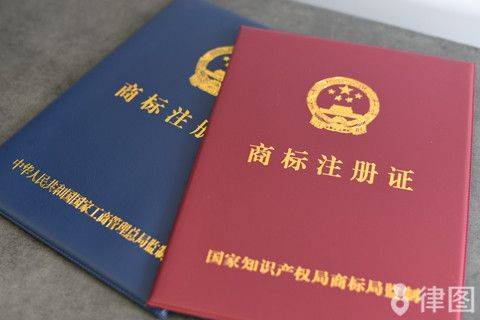
1. Trademark rights, symbols of goods or services, such as apples, commercials, etc
Patent rights, including invention patents, practical and new types of patents
3. Copyright, i. E. Copyright, including literary, video, artistic, etc., in addition to integrated circuits and software certification are also copyrighted content
The concept of intellectual property protection
Intellectual property protection is often narrowly understood as protection of intellectual property through judicial and administrative enforcement. However, such a system of protection, which is limited to a two-track system of judicial and administrative enforcement, is neither fully effective in protecting intellectual property rights nor constitutes the whole range of intellectual property rights protections covered, and it is therefore necessary to extend the concept of intellectual property protection to a broader dimension. Broadly defined intellectual property protection refers to the sum of all activities undertaken to suppress and combat violations of intellectual property rights in accordance with existing laws. Such a broader definition of intellectual property protection would more systematically and comprehensively reflect all elements of intellectual property protection。
Content of intellectual property protection
1. Legislative protection, i. E., the state grants civil subjects, through legislation, an intellectual property right over their intellectual property and related spiritual interests and a legally binding protection。
Administrative protection, i. E. Administrative action by the state administration authorities to impose administrative penalties for certain more serious violations of intellectual property law, as well as for the authorization of certain intellectual property rights to the holder。
Judicial protection refers to judicial protection of intellectual property rights。
Collectively regulated intellectual property rights (iprs) protection, i. E. The weaker intellectual property rights (iprs) are those who, by forming an organization that deals with matters relating to the protection of intellectual property rights, defend their own interests and forces。
Self-relief of the owner or other interested person. Intellectual property rights (iprs) or other stakeholders develop an intellectual property strategy by creating a department dedicated to the legal or regulatory aspects of intellectual property rights (iprs), identifying a range of specific measures and means to protect iprs and avoid infringement against others。
6. Public opinion-led protection, through proper and reasonable intellectual property rights, creates a favourable climate for intellectual property protection。
Current state of development of intellectual property rights
1. Status of intellectual property legislation
In the 1980s, china began to build the legal framework for intellectual property protection. In line with the objective needs of china's national economic development, and by drawing on international conventions, treaty provisions and the best practices of other developed countries in intellectual property protection legislation, the legislative system for intellectual property protection has been continuously established and improved. At present, china's legal system for the protection of intellectual property consists of three main components: laws, administrative regulations and sectoral regulations. It has established a relatively well-established legal system for the protection of intellectual property, which has been widely recognized by countries and international organizations. In addition, china is actively studying and developing new laws and regulations on the protection of intellectual property rights, such as the interpretation of the supreme people's court, the supreme people's procuratorate on a number of issues relating to the specific application of the law in criminal cases of infringement of intellectual property rights, and the regulation on collective administration of copyright, which was implemented in 2005. It is believed that with the introduction of these new laws and regulations, china's intellectual property protection body of law will be further developed and improved。
Participation in international conventions on the protection of intellectual property
As china continues to improve and improve its domestic legal system for the protection of intellectual property, it has been a party to a number of major international conventions, treaties and related agreements on intellectual property protection since the 1980s. Since its accession to the convention establishing the world intellectual property organization in 1980, china has acceded to various agreements or treaties on the protection of intellectual property rights, such as the paris convention for the protection of industrial property, the madrid agreement on the international registration of trade marks, the berne convention for the protection of literary and artistic works, the universal copyright convention, the convention for the protection of audio-visual producers against unlawful duplication, the international patent cooperation convention, the nice agreement on the international classification of goods and services. China is also actively studying accession to other international treaties on the protection of intellectual property rights. For example, china has now begun to develop and amend its legislation and is actively preparing for accession to the wipo copyright treaty (wc) and the wipo performances and phonograms treaty (wply)。
3. Information on intellectual property awareness campaigns
At the present time, the chinese government has taken a series of awareness-raising measures around the strict fight against fraudulent products and piracy. These measures have two main components: on the one hand, strengthening the dissemination of intellectual property protection laws through interviews, television broadcasts, regular seminars, etc., and, in particular, providing relatively broad publicity and education on new intellectual property laws and regulations. On the other hand, education on intellectual property laws and regulations has been incorporated into the national legal system, and a number of typical cases have been brought to the fore through increased public opinion and media coverage, with the aim of deterring crime and warning violations。