The way the golden mushrooms grow
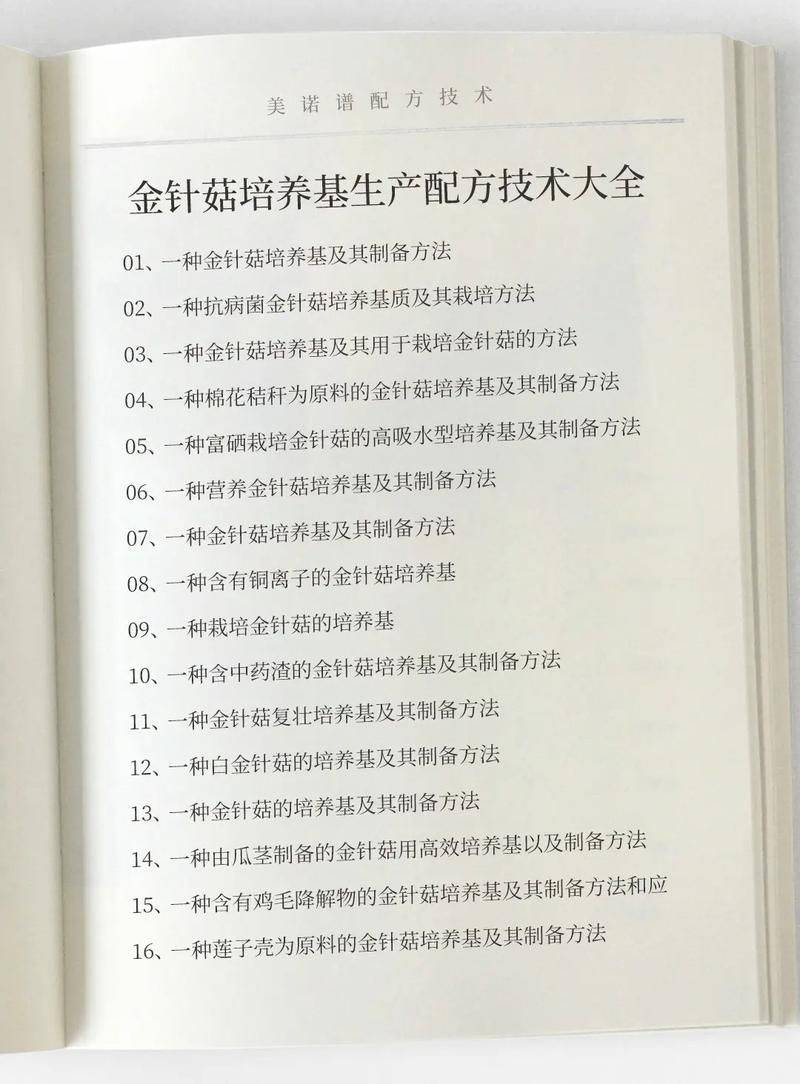
Gold-cream mushrooms are popular on the market as a tasteful and nutritious edible fungus, and their culture is becoming more mature as market demand grows. The production process of golden mushrooms covers key components such as stock preparation, foundation configuration, vaccination, fungi management, and mushroom management, each of which requires strict control of environmental conditions and operational details to ensure production and quality。
I. Bacillus preparation (i) parent selection
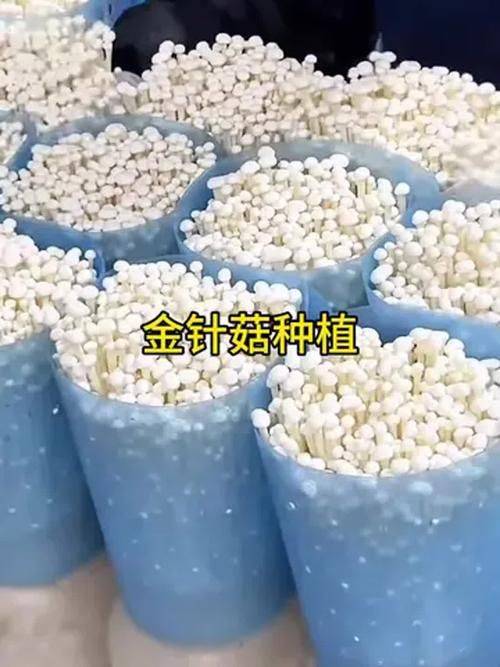
Mother species are the basis for the cultivation of golden needle mushrooms, and quality mother species directly determine the success and yield of subsequent cultivation. In the selection of the parent species, a healthy, disease-free, thick and well-stamped golden needle and mushroom entity should be chosen as a source. First, the selected sub-entity is surface-sterilized, usually using 75 per cent alcohol to wipe the surface, and 3-4 times with sterile water to remove the fungus from the surface. Subsequently, in a sterile operating environment, tissue blocks at the boundary between the bacterial handle and the fungus cover of the sub-entity were removed, approximately 0. 5 centimetres in size, and vaccinated to the pda culture base (the potato glucose glucose culturer). Pda culture foundations are configured to take 200 grams of potatoes to skin slices, boil for 30 minutes with water, filtered with gauze and filtered with 20 grams of glucose, 20 grams of jong lipid, evenly mixed with water to 1,000 ml, distributed into test tubes for high pressure sterilization (121°c, 20 minutes). The inoculation test tube is cultivated in a thermostat at 25°c and, after about 7-10 days, the tissue block will be surrounded by white mycelium, which will be given to the parent species when the incubation is full. In order to ensure the purity of the parent species, repeated transfibrillation is also required to remove mybs with fungus or abnormal growth。
(ii) ingenuity and cultivation expansion
Mother species are limited in number and cannot be used directly for large-scale cultivation and therefore need to be cultivated on an extended basis in both origin and cultivation. The original culture is usually based on wheat culture foundations, which are configured as follows: 1,000 grams of wheat grain, 12-24 hours of immersion with clean water, 2-3 times during which water is exchanged, and once the wheat is fully pumped, the leached water is extracted, 10 grams of plaster, 5 grams of calcium phosphate are added, mixed and then distributed into the fungi vials with a bottle capacity of two thirds, and then poached at the centre of the bottle for the growth of the fungus. The fungus bottles are distributed for high pressure sterilization (121°c, 90 minutes) and are cooled and connected to the parent species in a sterile environment, with 5-6 bottles per mother. The inoculation is developed in a culture room at 22-25°c, where the environment is ventilated and dry, and after about 30 to 40 days, the fungus can grow full of fungus bottles and receive the original seed。