I. Premises
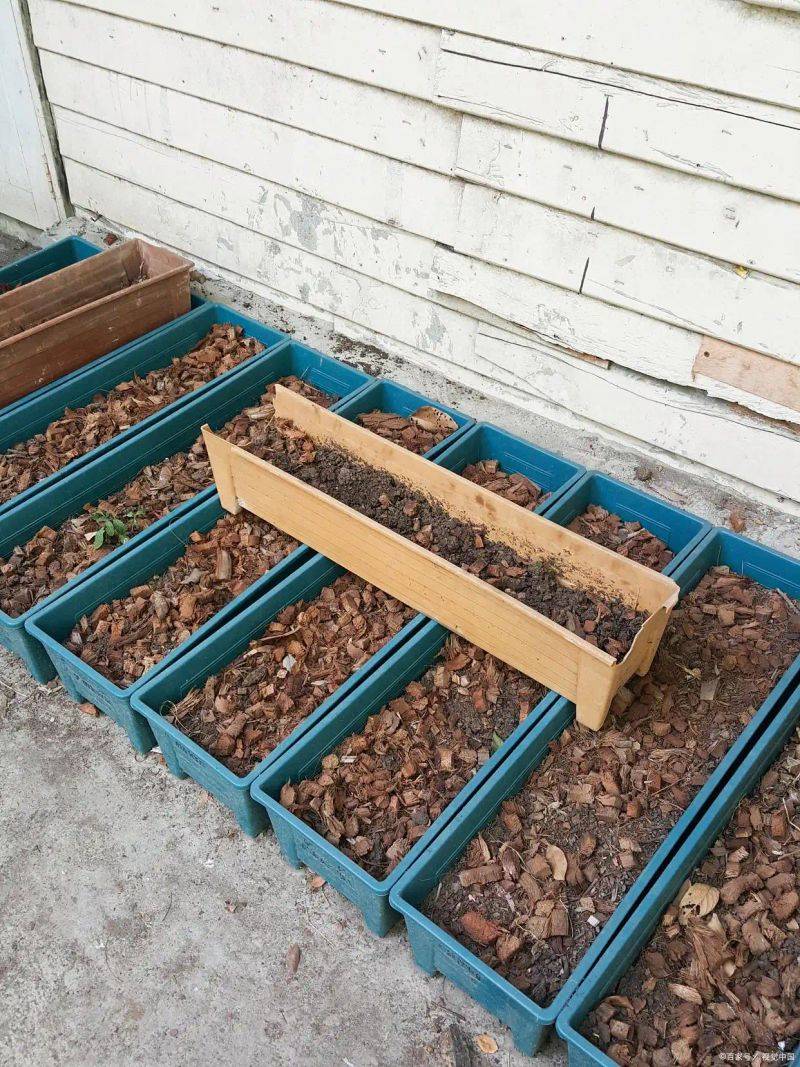
Selection of packagings: in order to grow garlic, a container with a certain depth and drainage hole, such as a pellets, foam boxes, plastic boxes, etc., is required. The size of the container is determined by the amount of garlic you plan to plant to ensure that there is sufficient space for each garlic petal to grow。
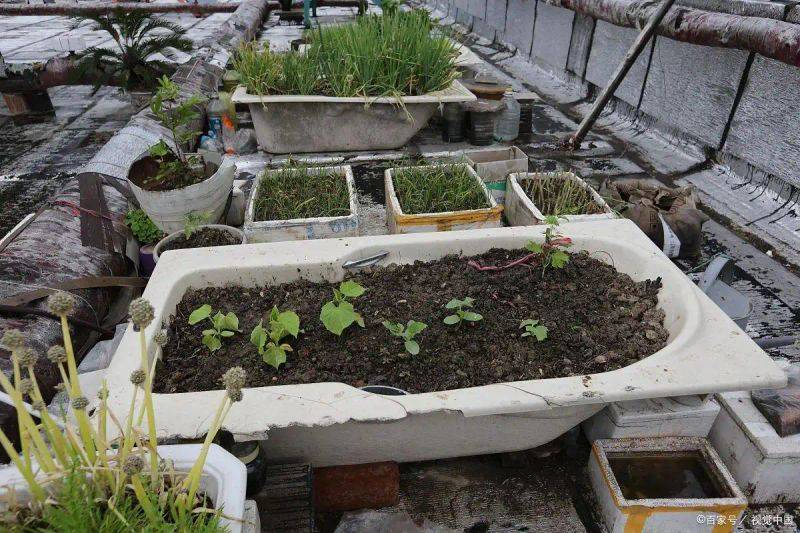
Soil formulation: garlic prefers soil laxation, fertility and good drainage. You can make the ideal soil by mixing it, the earth and the sand of the river, for example, by using four leaves, three lands and three river sands. Such soil combinations are not only long-lasting in fertility but also excellent in air and drainage. In addition, you can buy readily available nutrient land. If you are using garden soil, in order to prevent the adverse effects of bacteria and eggs in the soil on the growth of garlic, it is advisable to dry the soil for a few days before planting, or to disinfect the soil with potassium permanganate solutions。
Garlic selection: selection of the full, insect-free garlic as seed. Usually, the larger the garlic, the richer its nutritional reserves and later growth. It is recommended that preference be given to the new garlic and native varieties of the year, as they are better adapted to local climatic and soil conditions and grow better. Avoid the use of long-embewed garlic petals in order to avoid damage during the planting process, thereby affecting normal growth。
Ii. Sowning phase
Timing: the timing of garlic planting will vary according to geography and climatic conditions. In general, the time of planting garlic in the spring is between march and april, while the fall planting is between september and october. In a warm indoor environment, you can try planting four seasons a year. When planting in the spring, the choice should be made to follow a steady recovery in temperature in order to avoid the damage caused to the seedlings by the winter winter, while in the autumn seedlings should ensure the growth and strength of the garlic seedlings before the soil is frozen in order to increase their resilience。
Garlic splits: light-skinned garlic into independent garlic. In doing so, try not to damage the skin of garlic. You can squeeze the top of the garlic gently and start at the bottom, so it's easier to separate the garlic。
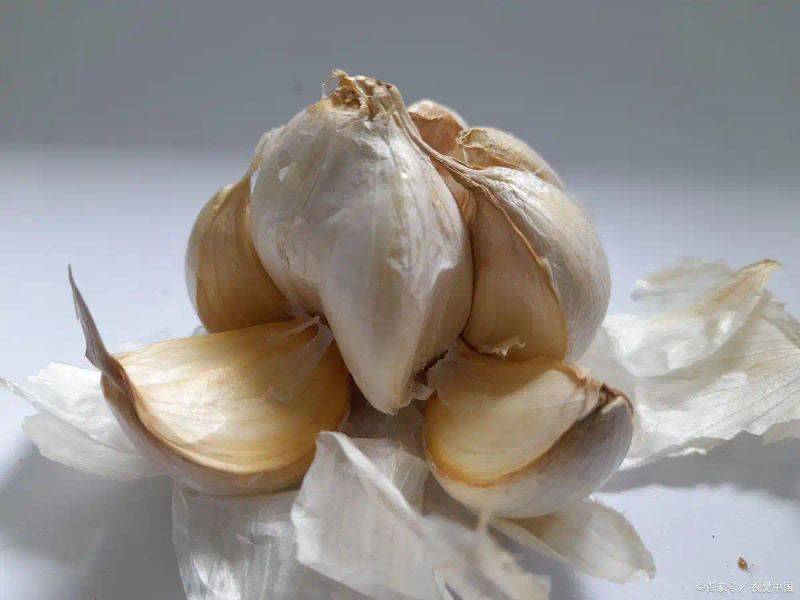
Seeding and land: a layer of soil is laid in the ready containers and the garlic petals are then inserted in the soil with the tip of the head up and the root down, with appropriate spacing between the garlic petals, typically between 5 and 10 cm. This ensures that every garlic has enough space to grow and avoid overcrowding. After seeding, a layer of 1 to 2 centimetres thick soil is covered by garlic petals. The thickness of the land should be moderate, and the too thinness will lead to the presence of the garlic on the ground, affecting normal growth; the too thickness will affect the seedlings of the garlic。
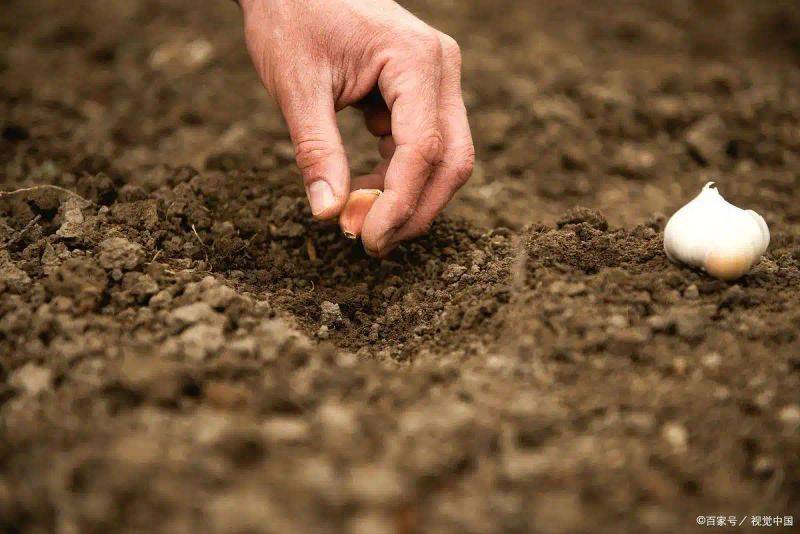
Water: once seeding has been completed, the soil should be fully humid, but no water should be accumulated. The subsequent watering is determined on the basis of the dampness of the soil, which is wet but not wet. You can insert a finger into the soil, and if you feel 2 to 3 cm below the surface of the soil is dry, you need to water it. Water should be distributed slowly and evenly so as not to overwater the garlic。
Iii. Conservation management
Light and temperature: as garlic prefers adequate sunlight exposure, planting containers should be placed on sun-rich balconyes or windowsills with a minimum of 6 to 8 hours of light per day. Sufficient light contributes to the development of garlic for photocosm. At the same time, care must be taken to control temperature to avoid the adverse effects of excessive or low temperatures on the growth of garlic。
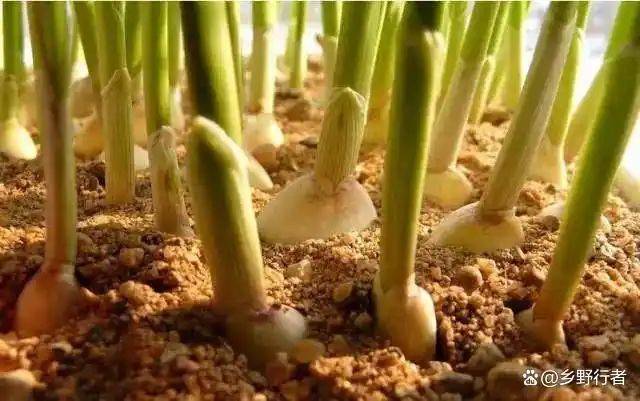
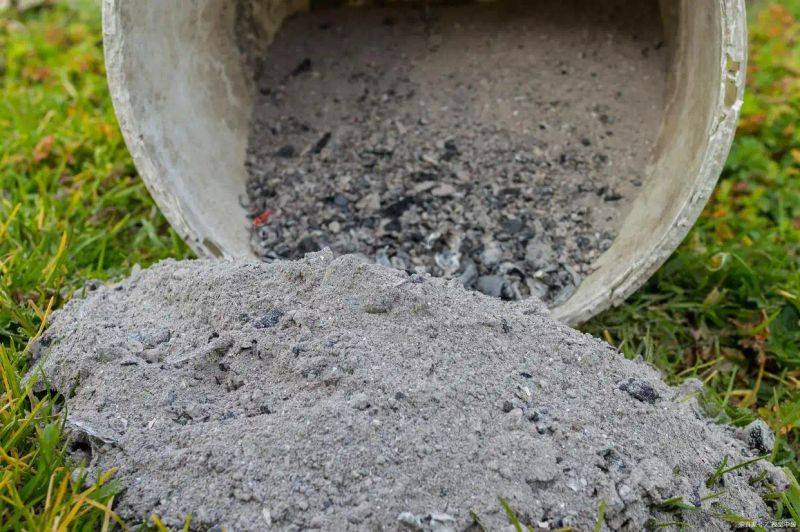
Fertilizers: during the growth of garlic, appropriate fertilization is required to provide the necessary nutrients. In the early stages of growth, nitrogen fattening, such as urea, corroded bean pie, etc., can be applied to promote the growth of staves; in the case of garlic expansion, some potassium phosphate fat, such as potassium phosphate, grass-wood ash, etc., should be applied to assist in the development of garlic. Fertilization should be carried out in such a way that the concentration of the fertilizer is avoided and the roots of the manure burn are avoided. You can dilute the fertilizer and pour it into the soil, or you can spread some slow fat on the soil surface. In accordance with the principle of “hard weight and hard work”, the fat is applied at regular intervals so that garlic can absorb nutrients on a continuous basis。
Weeding and pine earth: during the growth of garlic, weeding and pine soil should be done in a timely manner in order to keep the soil loose and prevent weeds from competing with garlic for nutrients and water. If there are more weeds in the fields, you can use artificial weeding or chemical herbicides. It should be noted, however, that herbicides are selected in such a way as to ensure that they are safe for garlic and operate strictly in accordance with the instructions of use。
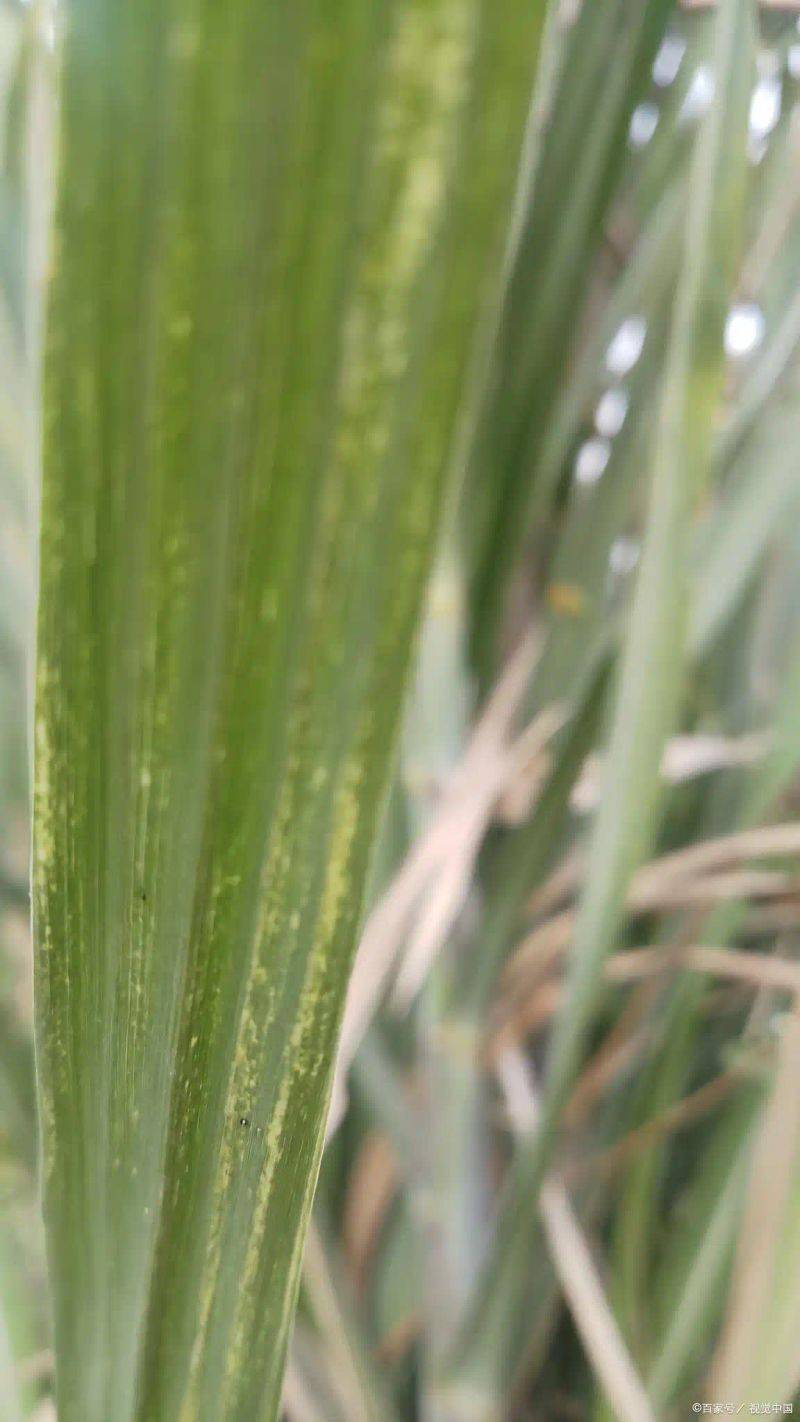
Pests and pests: the common pests of garlic include leaf deadness, rusty disease, garlic mackerel, etc. You need to respond to the occurrence of pests and diseases in a timely manner, such as pesticide spraying, biological control, physical control, etc. In the case of pesticide spraying, a safe and environmentally friendly formulation of garlic is selected and diluted and sprayed strictly in accordance with the instructions of use。
Iv. Harvest time
Garlic picks: garlic picks can be performed when the top of the garlic is bent in the form of a hook and it turns white. Pick-up is usually done after 10 a. M. Or 4 p. M. On a sunny day. During the pick-up, the blade was cut from 10 to 15 cm above the ground in the garlic base and care was taken not to damage garlic leaf and garlic。
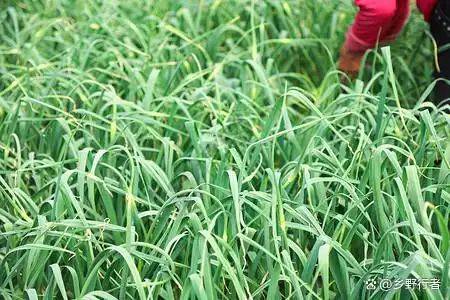
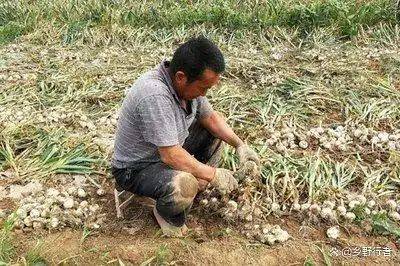
Garlic harvests: 20 to 30 days after garlic is taken, the garlic harvest is carried out when most of the leaves of the garlic plant are dried and the mantle is softened. During the harvest, garlic is excavated from the soil with shovels and shattered to the soil before it is tanned for two to three days. It can then be stored or sold with garlic and garlic。
In addition, if garlic is grown during the winter, attention needs to be paid to heating and winter measures. For example, items such as straw or leaves are covered on the soil surface to protect garlic petals from freezing; when temperatures are too low, plastic sheeting can also be used to cover planting containers to keep them warm. However, it needs to be noted that periodic ventilation is needed to prevent the disease from being wet over heavy. At the same time, there is no need to harvest garlic too early or too late to affect yields and quality. Early harvests can lead to incomplete garlic development and lower yields and quality; late harvests tend to break up garlic skin and affect storage effects。