Landless organic vegetable cultivation methods
Soilless cultivation is a method of growing plants without traditional soils, enabling plants to grow and develop normally by providing adequate nutrition, moisture and climatic conditions. Landless organic vegetable cultivation can effectively reduce soil pollution and the occurrence of soil pests and diseases, and improve the quality and production of vegetables. The following is a detailed account:
Introduction to soilless cultivation:
Soilless cultivation is a method of planting plants without traditional soils. It provides nutrients and moisture for plants by using specially designed culture foundations or media, and meets plant growth needs by controlling environmental conditions. Soilless cultivation can reduce soil pollution and the occurrence of soil pests and diseases and improve the quality and production of vegetables。
2. Conditions for organic vegetable cultivation require:
(1) light: organic vegetables require a high level of light, usually 12-14 hours per day。
(2) temperature: the temperature range suitable for organic vegetables is 15-30°c and the maximum growth temperature is 20-25°c。
(3) humidity: organic vegetables require higher humidity and generally grow better under 60-80% humidity。
(4) ventilation: organic vegetables require good ventilation to maintain air flow and reduce the occurrence of pests and diseases。
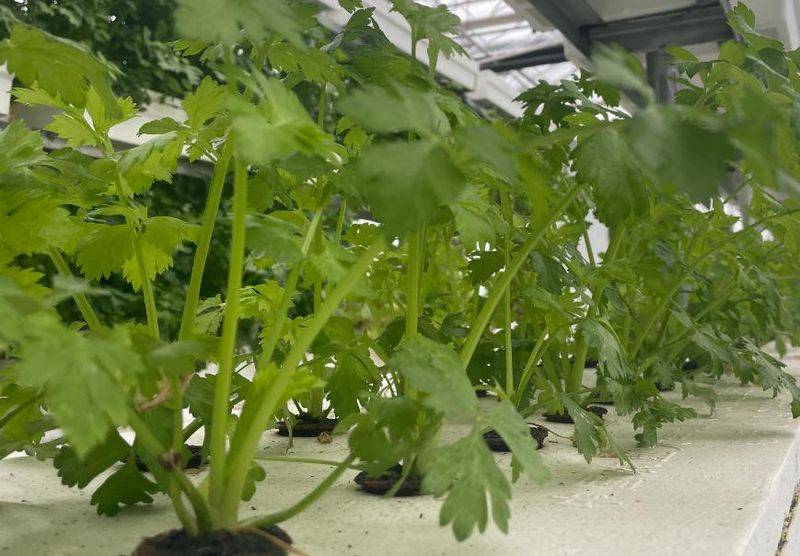
3. Plantation of organic vegetables through soilless cultivation:
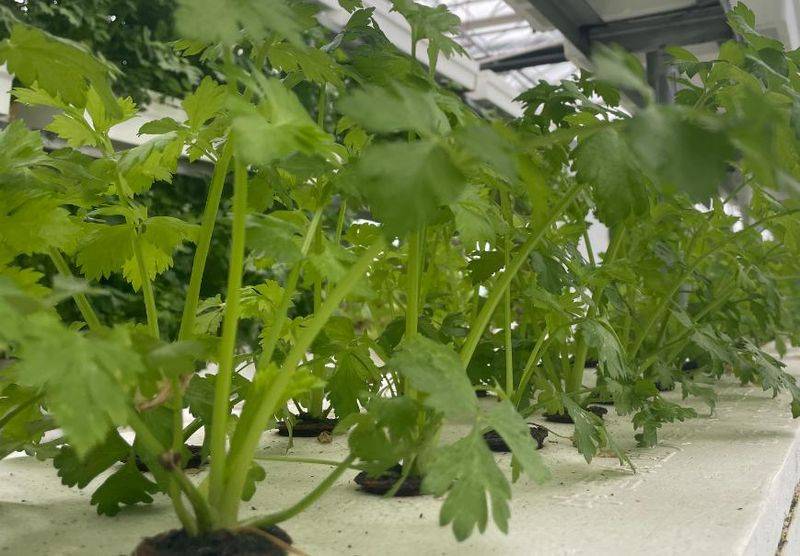
(1) selection of suitable media: non-earthed media can choose aerogels, corrosives, cylindricals, algae soil, etc., which have good water conservation and air penetration and can provide the nutrients and moisture required for plants。
(2) provision of appropriate trophic fluids: soilless trophic fluids typically contain the main nutrients required for plants, such as nitrogen, phosphorus, potassium, etc., and trace elements. Plant nutrients can be provided through the preparation of nutrients or the use of commercialized nutrients。
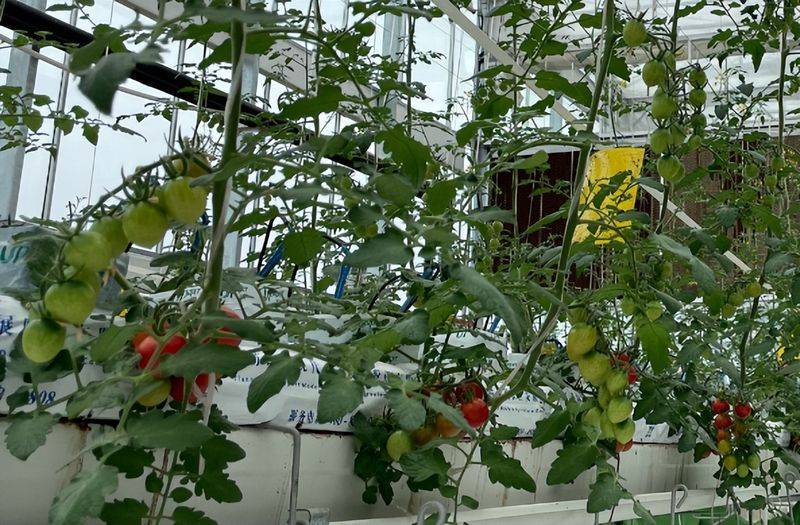
(3) control of irrigation and fertilization: in soilless cultivation, irrigation can be carried out through drip irrigation, spraying, etc. To maintain the humidity of the medium. Fertilizers can be followed up according to plant growth and nutritional needs to ensure plant growth and development。
(4) control of environmental conditions: by regulating environmental conditions such as light, temperature, humidity and ventilation, plants are able to grow and develop in the appropriate environment。
4. Attention:
(1) medium selection: selecting media suitable for soilless cultivation, with good water conservation and air penetration。
(2) nutrient liquid formulation: the rational formulation of nutrients and the provision of nutrients required by plants in accordance with their growth needs and the characteristics of the medium。
(3) irrigation management: control the frequency and quantity of irrigation and maintain the humidity of the medium without overwatering。
(4) pest and pest control: periodic inspection of plants, timely detection and treatment of pests and pests, and appropriate prevention and treatment measures。
(5) environmental regulation: provides an appropriate growth environment by adjusting environmental conditions such as light, temperature, humidity and ventilation to plant growth needs。
5. Summary:
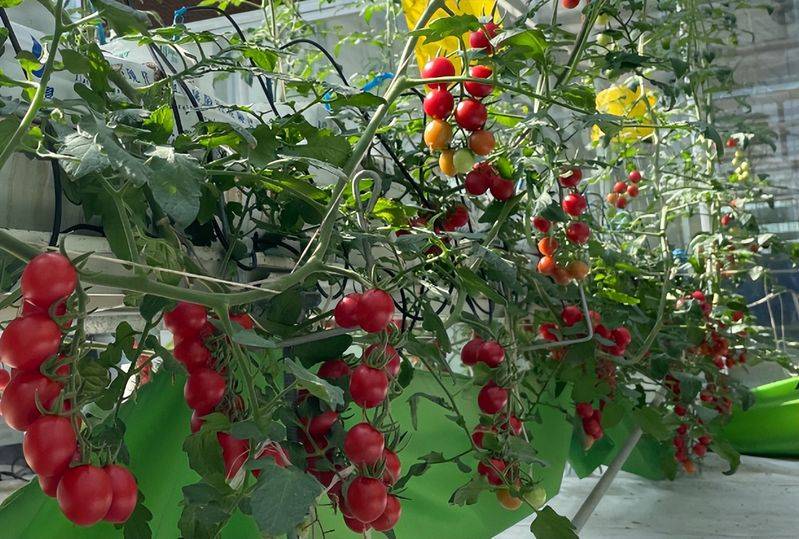
The soilless cultivation of organic vegetables enables plants to grow and develop normally by providing adequate nutrition, moisture and climatic conditions. In soilless cultivation, the selection of suitable media, the provision of suitable nutrients, the control of irrigation and fertilization, the regulation of environmental conditions and the management of pest and disease control can improve the quality and production of organic vegetables。