The tomato-free cultivation model should be the largest and largest of the whole non-earthed species. This is due to the fact that the environmental requirements of the earthless tomatoes are not particularly stringent. But you can't do the eight technical standards. It's not gonna work. Not to mention the production and variety of tomatoes. You might not survive. In the case of tomatoes, the soilless cultivation model, which uses hydroponic models, is more stable。
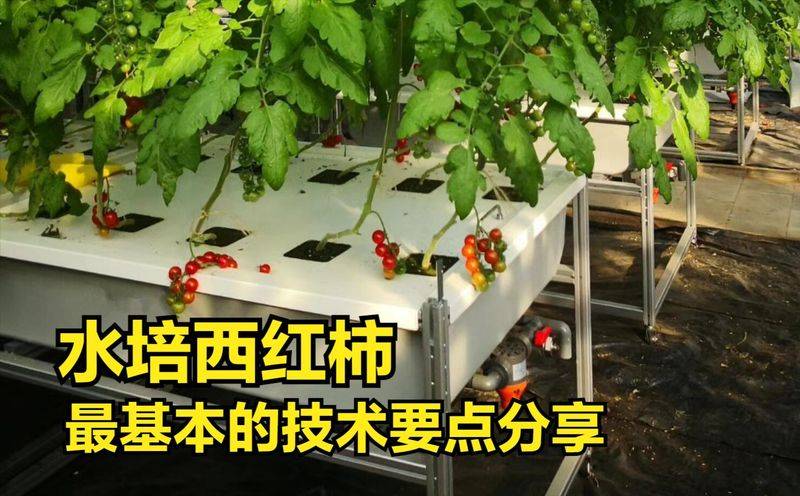
What's tomato-free
Does anyone know? What techniques do tomatoes need for soilless cultivation? It is still very different from traditional tomato cultivation, as it involves more than traditional tomato cultivation. Unearthed tomatoes and traditional tomatoes are all carried out in sheds, while traditional tomatoes are grown with regard to temperature, humidity and water fat, with no problems with basic production. And the most important thing is nutrients, and nutrients are problems. It is not only a matter of nutrients, but also of temperature, acidity, ec values, etc. These are only a small part of them, and they also contain a liquid supply system, which needs to be adapted to growth. I will now briefly share a set of technical standards on earthless tomato processes and attention, namely, eight in my title。
Basic processes and data on earthless tomatoes
1 the problem of tomatoes
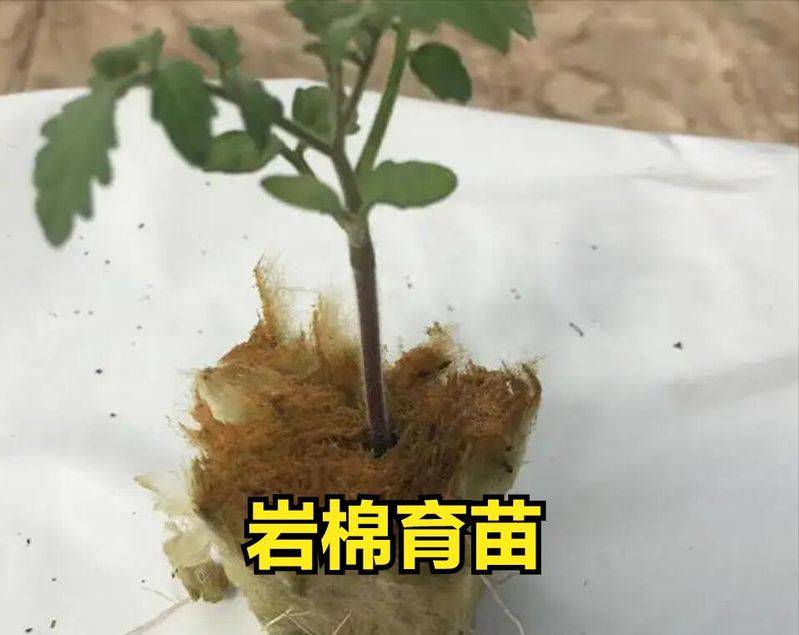
With regard to this seedling, only the seedlings themselves or the trees are purchased. Both of these are possible, and we don't talk about specific breeding processes. We need to talk to you about the requirements of the seedlings, which we use in the hydroponic form to grow tomatoes, and where the choice of the seedlings is as much as possible, they can be grown directly. Traditional seedlings, which are largely based on a matrix, are not easy to plant at hydroponics. There is no problem with the use of a matrix to plant tomatoes and the use of traditional matrices to breed。
A problem with the no-earth cultivation model of 2 tomatoes
Unearthed tomatoes must have been in the greenhouse, which is not controversial. In other words, tomatoes can be produced almost continuously throughout the year, but the bites can be divided into two types: one or one per year, or one over winter, most of which is chosen because of the high cost of tomatoes in winter. Almost all planting took place in august-september, and the harvest lasted from around november to june-july of the following year, with a long production period. Two or two times a year, this is spring and autumn. For january-february or june-july, the production cycle was relatively short, and i personally saw the first entry。
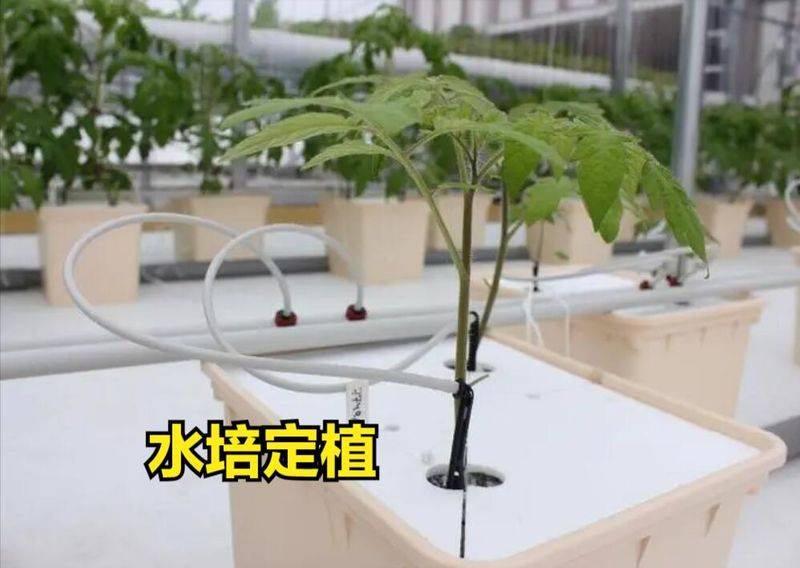
3 tomato soilless cultivation techniques
The choice of soilless tomatoes is also an important criterion, with the average winter selection of 35 days of age and the summer selection of 30 days of age. The size of the seedlings will have an impact, and it is generally known to those with established experience. Another problem is the temperature of nutrients, which must not be high, otherwise there will be roots. The trophic temperature in the planting tanks requires room temperature proximity. The second is the density problem, with around 2,400 plants set at 1,000 square metres in winter, and around 2,600 plants set at 1,000 square metres per year。
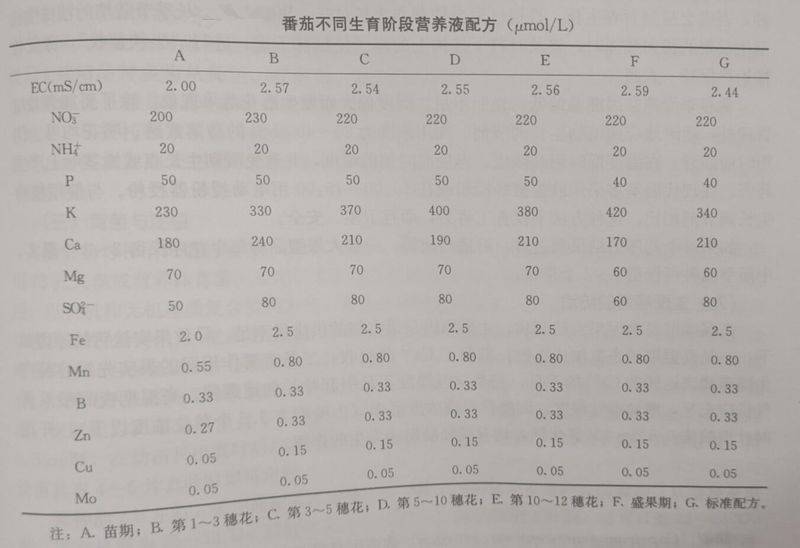
4 tomato nutrient management
There's a lot of recipes for tomatoes. There is no difference in composition between yamazaki, yamadong and china, but there are different concentrations. In fact, there are more formulations used than tomatoes in yamazaki because they are the earliest. The ec values for the formulation were 1. 2ms/cm and ph at about 6. 6. The growth cycle is different, the nutrients are different, and i'll provide a table of reference data. That is, in the process of planting, there is a need for long-term adaptation of nutrient nutrients in different ways。
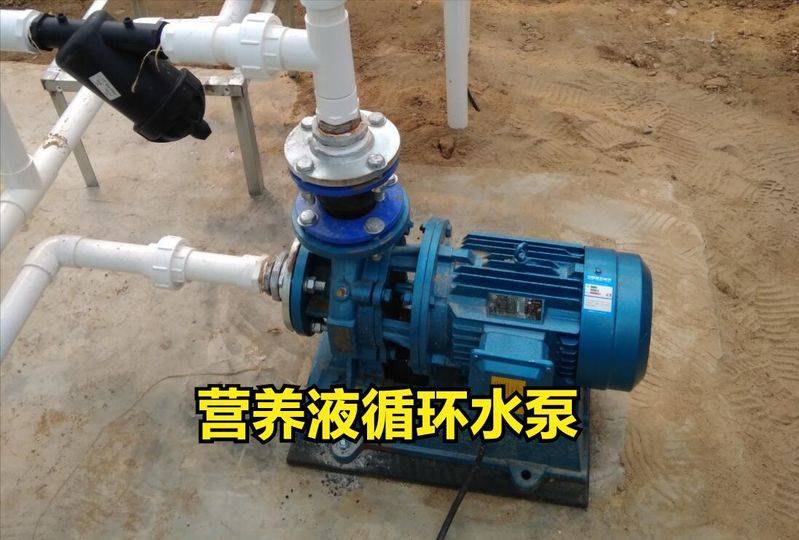
5 tomato nutrient cycling techniques
And to take the example of our hydroponic tomato cultivation, the cycling technique of this nutrient is also the key to determining yields, and the possibility of growing plants if the cycle is not good. This relates to the number of cycles and the length of cycles, and this is the question of whether the nutrients stored in soilless production facilities can be updated, the cycle being short and the nutrients certainly insufficient. The length and frequency of cycles also relate to soluble oxygen, nutrients and water supplies in nutrients. These data are key to root growth and nutrient absorption. For example, tomatoes require 500 ml of water in the clear weather before the first flower starts to bloom. During the expansion of the fruits, two litres of water are required for a single plant, in which case the frequency and duration of cycles are increased。
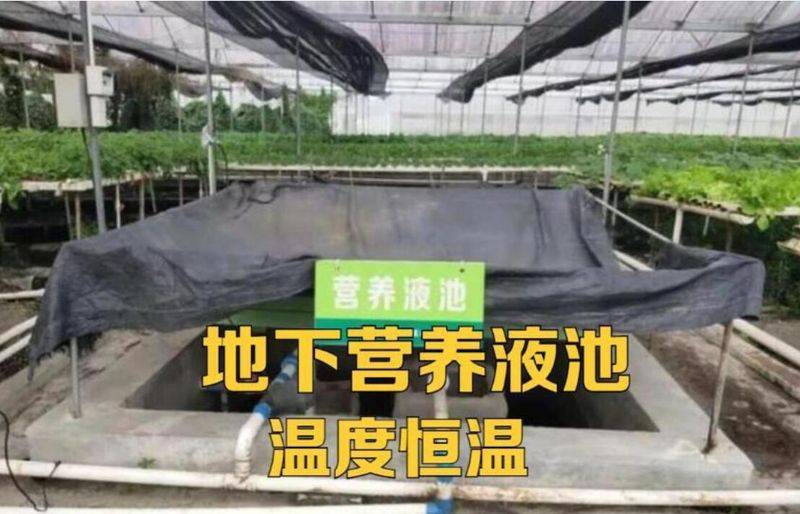
Temperature management of trophic fluids
Generally, nutrient pools are built underground with the aim of increasing temperature. Because, in winter and summer, the temperature changes are relatively constant. If the temperature is relatively high during the day, the temperature is controlled by cooling at the time of acceleration of the cycle, usually at about 25 degrees. My suggestion is that nutrient pools must be built underground, not only to keep temperature constant, but also to facilitate the return of liquids。
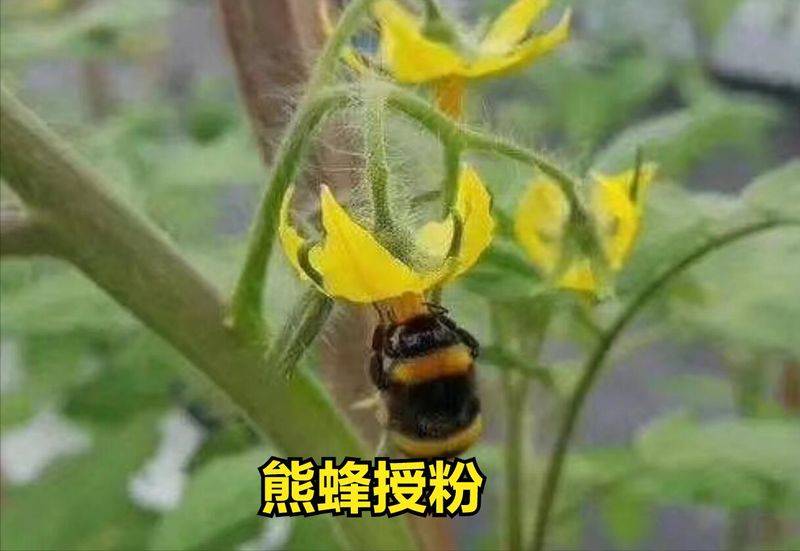
7 on pollination
There is little difference from traditional tomatoes, and bear bees can be pollinated with conditions. But most of them are artificially pollinated, using anti-depressants. Specific operating methods: both flowering and spraying, with attention to technical requirements for artificial pollination。
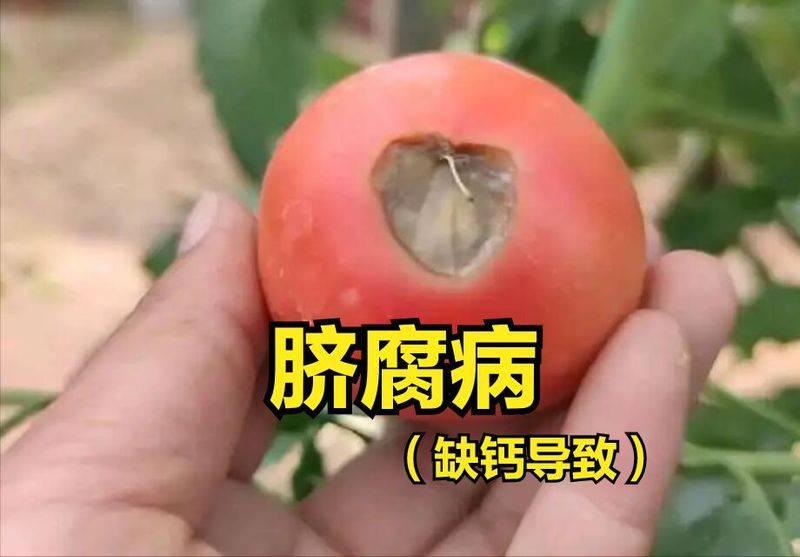
Problems with pests and diseases
It's time for someone to ask, is there any infestation? The answer is certain, the biggest of which is the problem of physiological diseases, such as umbilical disease and the fact that tomatoes are soilless. This is mainly due to calcium deficiency in tomatoes. The specific reason is that some nitrogen is absorbed at high temperatures, which leads to calcium absorption. The solution is to spray calcium sequestered or calcium sugar alcohol during flowering, which is easier to absorb. The difference with traditional planting of calcium is not very significant。
Summarizing: the greatest difficulty in non-earthed tomatoes is the availability of nutrients, which require different levels of nutrients for different growth cycles. Also, the length and number of cycles of the nutrients supplied will need to be adjusted over different growth cycles. Especially during periods of expansion, which require more nutrients and more moisture, that is, adjustments are needed. Other plant management techniques are not very different from traditional ones and are largely the same and not the same。