Imagine, on your kitchen window table, or on the balcony, there's a row of green vegetables that don't need soil and that depend on air and water. Does that sound like science fiction? But in fact, that's the charm of soilless techniques。
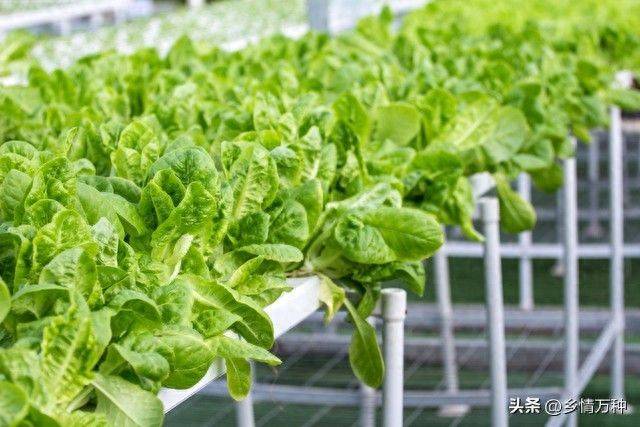
Landless cultivation, which may sound strange, is a revolutionary technology in modern agriculture. Its rationale is simple: to grow by suspending the roots of plants in a nutrient-water solution and supplying the nutrients required for plants. This method is not only efficient but also saves significant soil and water resources。
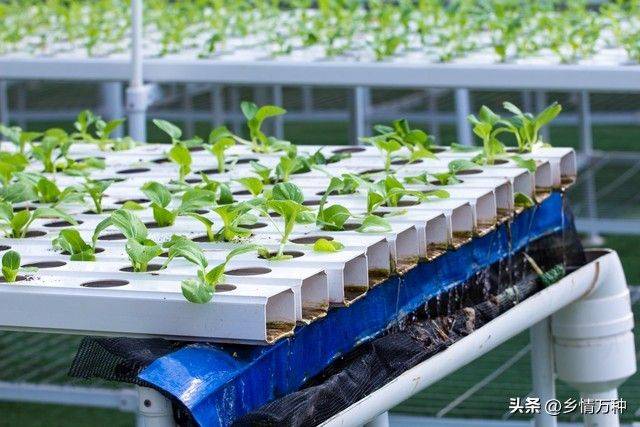
One common soilless system is the hydroponic system. In this system, the roots of plants are placed in a nutrient-rich water solution that provides oxygen through gas pumps to ensure that the roots receive sufficient oxygen and nutrients. This method can be used in vertical farms, indoor greenhouses and family gardens, making plant growth more manageable。
The benefits of soilless cultivation are numerous. First, it reduces soil dependence, which represents a major breakthrough for soil infertile or contaminated areas. Second, it can achieve higher productivity because plants can grow under ideal conditions without fear of pests and diseases in the soil. In addition, soilless cultivation can save large amounts of water resources, as water can be recycled and waste reduced。
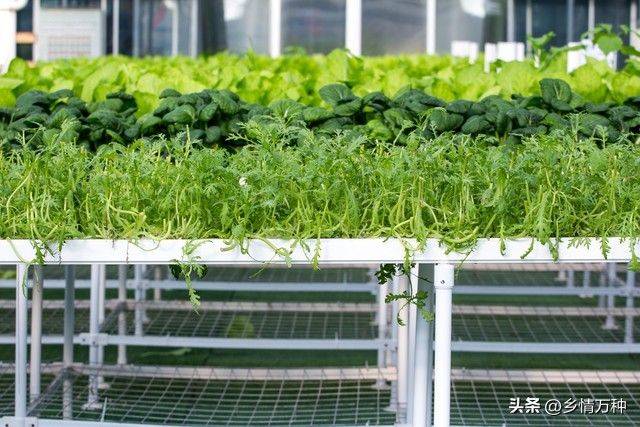
Let's look at some vegetables and fruits that are suitable for soilless cultivation. First of all, salad and vegetables, like pickles and spinach. These vegetables grow rapidly and are suitable for cultivation in soilless farming systems. Strawberries are also a popular landless cultivation option, as their fruits can hang on plants without exposure to soil. In addition, vegetables and spices such as tomatoes, cucumbers and vanilla can be easily grown through soilless cultivation。
Earthless cultivation is not a complex technology that anyone can try. To start soilless cultivation, you need to prepare basic materials, including tanks, pumps, oxygen pumps, sink caps, nutrient solutions and seeds or seedlings. And then you can operate the system according to the method chosen for plant cultivation. It is recalled that concentrations of nutrient water solutions are monitored to ensure adequate nutrients for plants。
The future of soilless cultivation is bright. It can achieve large-scale production in vertical farms in urban centres, providing urban residents with fresh vegetables and fruits. In addition, soilless cultivation could be used for space exploration, such as space stations and mars, as it did not depend on the earth's soil。
Finally, soilless cultivation is not only an agricultural technology but also a sustainable method of production. It reduces soil erosion and the use of fertilizers and helps to preserve the earth's ecological balance. So if you're interested in agriculture and environmental protection, think about trying soilless techniques so that we can all contribute to green agriculture in the future