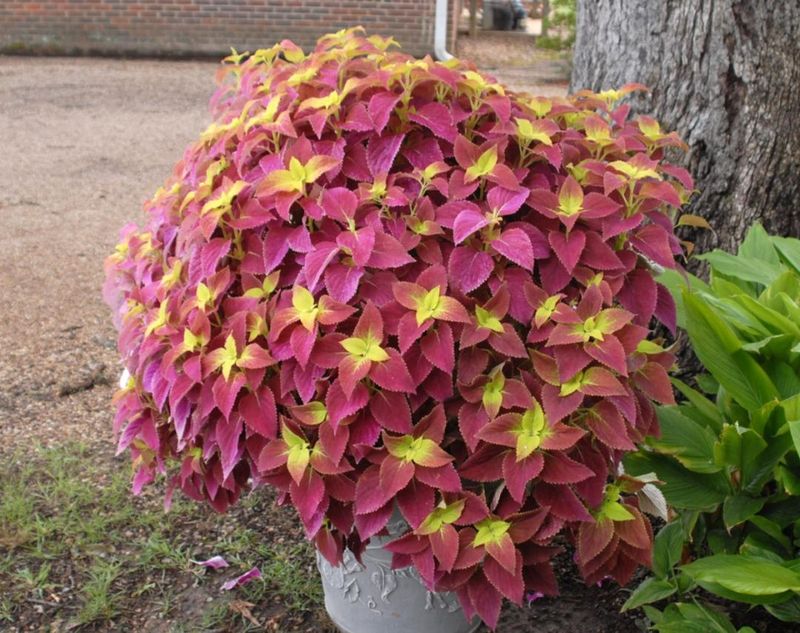
It is known that coloured horseshoes are popular in countries in europe and the united states and in japan, among others, and that, with the growth of the economy, the cultivation of domestic horseshoes has become widespread. Because of their unique value, people are often placed on steps, windowsills, balconyes, mirrors, gardening gardens, planted in pools or rocks. So, what's the way to grow colored horseshoes? Let's go with the editor-in-chief
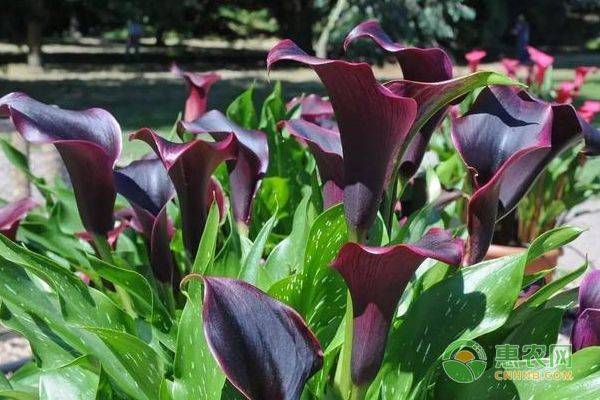
Colored horse hoofing technique:
I. Pedestrian growth:
The home of the coloured horse hoof is in the middle and south of africa, warm and intolerant, with a growth temperature of 18-23°c, with a hibernation rate below 5°c and a risk of freezing of balls below 0°c. The outdoors of the 9-11 districts are used for winter, and other areas have recommended indoor pelvis cultivation. In autumn planting, the temperature is as high as possible at 15°c, otherwise it affects the bud。
Light: sunshine, sunbath, summer shades to avoid direct sunlight. Three seasons of winter and autumn ensure that the sun is full and has some tolerance, but when light is short, it is small and light。
Water: the coloured horse hoof is more water-sensitive and has no fear of drying and flooding, so the soil cannot be dry or wet for long periods, and long-term wetting causes the root of the ball to rot, so water must be poured in the usual manner. In autumn and winter, water is not wet。
Fertilizers: the demand for fertilizers is low, they can bloom without fertilizing, and they are more effective. Cultivation can be combined with slow decomposition / chicken manure / cake / bottom fertilizer in the soil, with extra spending over the long term every half month (frequent application, not frequentity), no fertilisation at the flower season, and subsequent application of liquid fertilisation。
Land: the horse holly is afraid of flooding, and soil with good drainage is preferred。
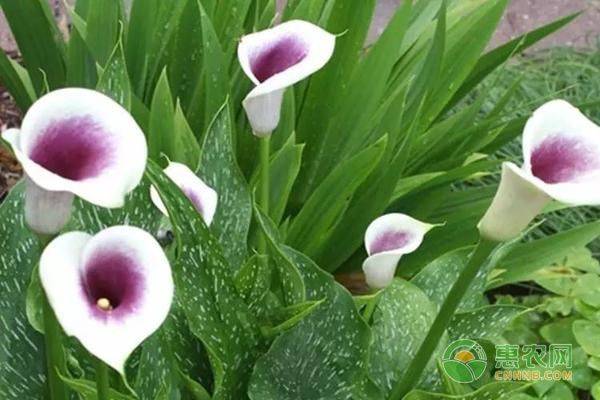
Ii. Cultivation steps
The balls clean up, remove the dead roots and check the health of the bodies. Multibacterium immersed for 30 minutes, completely dryed and planted。
2. Select a flower basin 20-25 cm in diameter to plant a ball. The unswidthed cloths are carried out from the bottom of the barrel out of the water hole, and a layer of substrates is laid on the base to drain, pouring into about one third of the nutrient soil, adding a mild decomposition or chicken manure and pie fat to the bottom, and continuing to fill one half of the flower basin。
3. The ball sprouts upwards, lightly placed on the matrix, and the earth covered approximately 4 cm. A guide to coloured horse-shoe-legged fruit cultivation, no. 4, after watering, waits for the gestation of a cold ventilated body to keep the soil luminous for three weeks or so. The coloured horse hoistling guide 5。
Day-to-day conservation concerns
Land cover: ma ho ho ho ho ho ho ho ho ho ho ho ho ho ho ho ho ho ho ho ho ho! However, given the fear of flooding and the fact that the ball is too deep to control the water to cause the ball to rot, it is suggested that the florists cover about four centimetres of soil, and that if the roots are found later, some soil should be added to the root system。
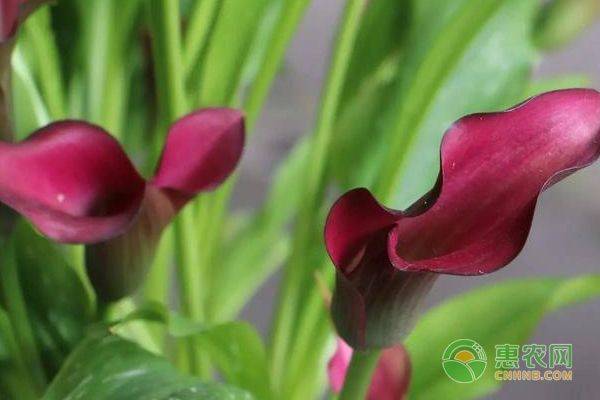
It's too shallow for the roots to grow, and then some soil。
Reflowers: horses hoofs naturally take place in the spring, but when the temperature is right for four seasons, they grow in the spring with the appropriate temperature, and they bloom a little faster (usually one to two months after the root of the ball), and in the autumn they are delayed due to lower temperatures (after planting to two to three months). In autumn, horseshoes are grown to bloom in the winter, cut with flowers, properly watered, properly replenished, until the leaves become yellow, leaves become yellow, and water is controlled when they are fully dead, when they enter a hibernation period, when the water and fattening is stopped, when the ground is dried, the roots of the ball are dug up, the balls are stored in a cold, dry and ventilated place, or they can be stored directly in the soil and re-emerge in the spring. It is recommended that the ball be preserved to allow the spring to observe the sprouting of buds, which, when found, can be planted immediately and rewatered. The high winter temperatures in the south of the country and the possibility that the horseshoes will not sleep, which can be forced to sleep through water outages, are conducive to the recovery effect。
Colored horseshoes are grown in a simple way and are of high value, but here's a warm reminder from the network that horseshoes are toxic, only for viewing and not for eating, so please pay attention to the flowers