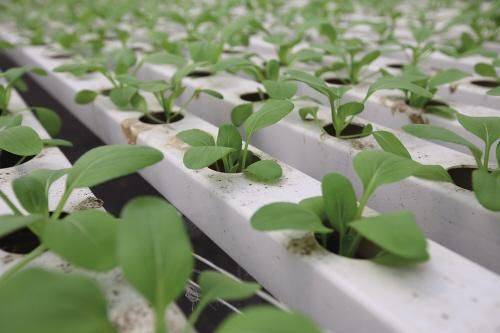
Into the agricultural sheds of the specialized vegetables cooperative of the green valley, located in the village of linghui an, on the phoenix street, journalists saw green-oiled vegetables not grown in dirt but in pipes and holes made of white pvc material. Vegetables that grow up almost unplugged and “drinking water” are no worse than “compatriot” in the field. “watery vegetables”, a type of vegetable that sounds highly technocratic, is taking root in kiryu。
In nearly five acres of agricultural sheds, all the vegetable holes are connected to a line of piped water. As in the case of hydroponic plants, all the vegetable roots are immersed in liquid formations that appear to be clean water. In order to remove the circular hole in which a small vegetable is located, the principals of the specialized vegetable cooperative in blue valley look at its roots。
"you see that there is water in every tube, which contains 17 nutrients for the growth of vegetables." it's time to introduce that transparent nutrients are cycling in the pipes through devices like micro-pumps. One acre of “hydrovegetables” consumes 1 ton of nutrients per day, and staff regularly input nutrients into the pipeline。
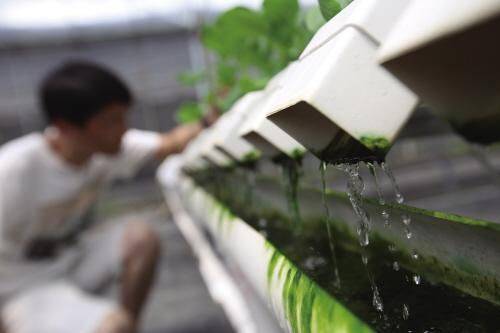
“besides preventing too little eutrophication from keeping up with green vegetables, and so on.” at the time, it was said that the planting of “hydroveggies” was kind of like a flower, and that he had to look closely at the growth of vegetables in every pipe almost every day, as an experienced flower farmer did。
Nutritional fluids are known to provide moisture, nutrients and oxygen for “hydrovegetated vegetables”. Unearthed vegetables differ from traditional soil-planting patterns and are characterized by short growth cycles, high levels of nutrition, fewer pests and pests, as well as reduced labour. For example, acreage, which can be 20,000 kg, is about four times the size of normal soil cultivation and can be produced up to 10 seasons a year after technological maturity. Both quality and production are clearly superior to traditional cultivation methods。
This pattern of soilless cultivation has radically altered traditional cultivation patterns and broken down mindsets. According to zhangbai, this “water-breeding vegetable” method originated last year from a southward “learning” visit by the secretary-general of the phoenix street party, jiang fan. The staff of the phuong street agro-economic centre, together with the local growers, came to the landless research base of the agricultural college of the south china university of agriculture, located in guangdong city, to study advanced planting techniques and research。
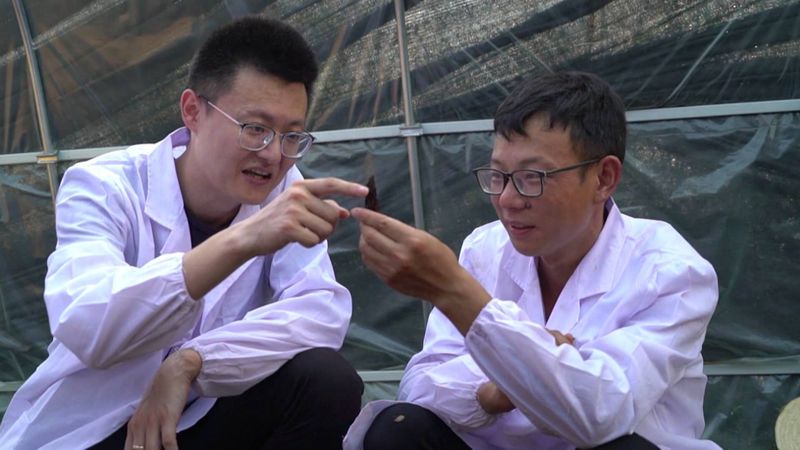
“the consolidation of land and the reduction of agricultural land have plagued our traditional farming industry. I am deeply interested in soilless cultivation and believe that using this technological innovation can bring a new breakthrough to our agricultural cooperatives.” according to tsubashi, after communicating with the director of the department of non-cultural research, doctor of agronomy and professor liu shi chul, at the faculty of agriculture of the university of agriculture, china. Under the direction of professor liu, tsang and his team became the first agricultural professional cooperative to test “water-breeding vegetables” in kiryu。
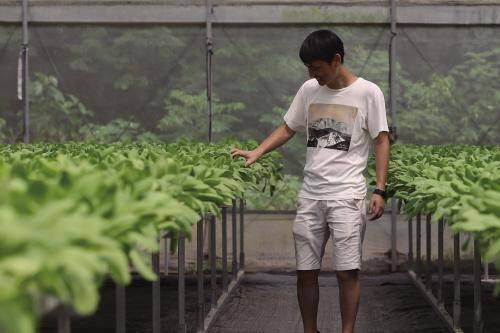
Starting in may this year, the vanguard, together with his team, invested hundreds of thousands of dollars in the renovation of agricultural sheds, the construction of pipelines, the introduction of automatic sowing machines and the beginning of the trial planting of “waterbreeding vegetables”. Today, the sheds have been completely remodelled and, for the purpose of ventilation and shade, the roofs have been equipped with automated ventilation and shade protection systems. The thermometers measure the temperature in the sheds at all times and provide a suitable growth environment for “hydrated vegetables”。
Turns on the seeder, puts vegetable seeds in the machine, prepares the seed basin and the matrix, and produces a 300-basket seedling in an hour. It is time for the team to put the celery seedlings like a potted plant in the nursery. After professional management, vegetables can be planted in hydroponics after 15 days. In about 20 days, this can be picked up. “the whole planting chain is almost free of pesticides, and vegetable production is more efficient and of better quality than in the past.” at the same time, the vanguard informed journalists that the first “water-breeding vegetables” are now on the market and are testing various markets for water. It is expected that over the next few months, “hydrovegetated vegetables” will largely meet market demand. Recently, many colleagues have come to his shed to study and try to grow “water-breeding vegetables”. In addition, he was planning to open a “water-breeding vegetable” competition in the hope that it would be accepted more widely。
(the original title, "aqueous vegetables" is silently "breeding roots" in kiryu