Fukuoka olives, zhang xinxiang
"the land of chinese olives." hong ming lights
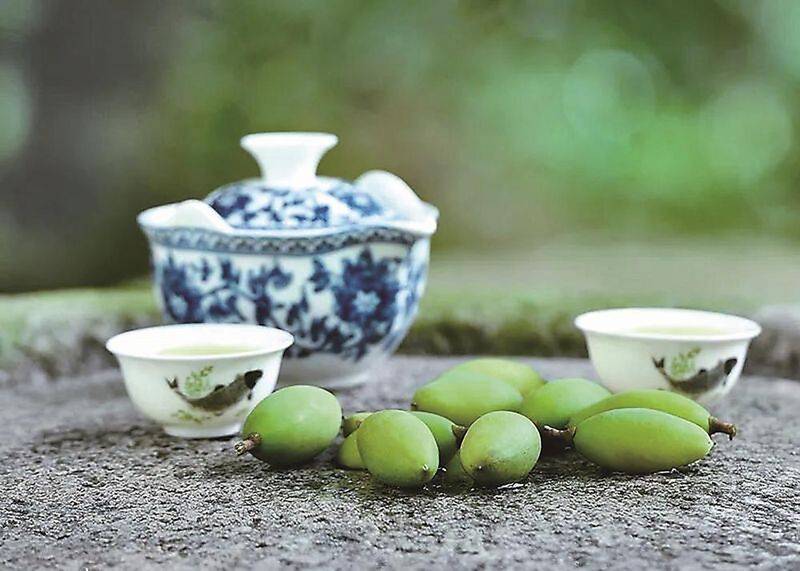
Fukuoka olives have become a royal tribute to the “national choice”. Today, a thousand years later, this green legend continues. As a well-known “home of chinese olives”, the province of guanhou produces nearly a quarter of the country's olives. So let's unmask the taste of this little berries
Look at the windfield. "specificly tailored" for olives
How can the fukuoka olives become the “national choice”? This has to start with the fung shui land in florida。
The natural geography of fukuzhou, which is the northern edge advantage of chinese olive cultivation, is like “specifically tailored” for olives。
Take a look at the bottom of the foot -- good soil, steady roots for the olives. Fozhou olives are mainly found on the hill slopes of both sides of the river and below 250 metres above sea level. The formation of alluvial formations on the slopes and slopes of the land, which are deep in the earth and have a high level of permeability, and which have a neutral sandy soil, both guarantee the permeability of the olive roots and facilitate the activation of mineral elements。
And look at the sky -- good weather, good taste. Fukuda is located in the tropical transition zone of south asia and central asia, with an average annual temperature of 19. 6°c, 1342. 5 mm precipitation, and an average of 1,700 to 1980 hours, matching the growth demand for olive “sexy warmth”. Even more rare is the fact that, in comparison with other regions, the olive-growing area in fukuzhou has been frozen for 326 days throughout the year, effectively avoiding the risk of freezing. The temperature difference between day and night is clear, saving the olives a good taste — the fruit is sweeter, the taste is better and the quality is natural。
It is this unique geographic condition that gave birth to a "briar olive belt" along the river in fukuzhou。
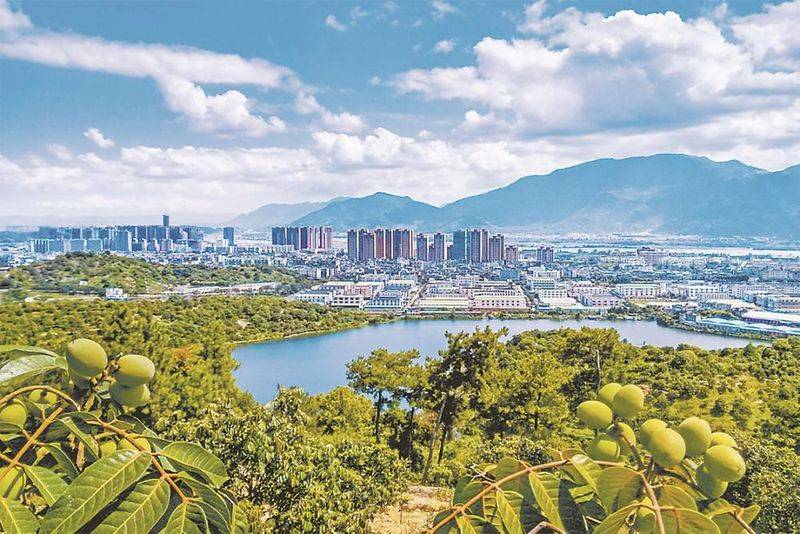
From the dam site of the kaijiang qai river terminal to the hung tong bridge in fukuzhou to the town of nanjong on the edge of the ulong river, the olive forest is sprawling along the river and forming an empty green corridor。
The core area of this corridor covers the villages of mae peng, shihu, shinmin village, nord creek village and the neighbouring towns of hongxiang, xiao and pasha town, as well as the villages of mae ma, yang shik and da yi. And olive trees of 100 years old
"the king of the fukuyan olives" of the natural village of the white river river in the town of maebrook, in the town of saihu, in the town of east bridge, in the village of anin creek, in the hotel of the county of saihu, and in the town of nanjo, the king of the hue round olives... The olive trees have been certified by provincial professional technical institutes as having been over 300 years old and are still productive. Not only are they the “live archives” of the long history of olive cultivation in fukuoka, they also highlight the vitality and adaptability of the local olive species。
In this fertile land of fukuo, olive varieties are particularly abundant. A long camp for processing, a round for food, and many newly selected species such as ling peaks, qinghui 2, qinghui 1, qinghui 1... They have a variety of tastes and form an “elder gene pool” that preserves precious flavour heritage for future generations。
"methodology" from generation to generation
The history of olive cultivation in fukuzhou is long and can be traced back at least to handy。
Han dynasty zoth wrote in wu dou wing, “long-eyed olives, dramatic frost”. The “olives out of jinan” (in the province of fukuo) was mentioned in the land and sea alien book of the trinational period, which supports the practice of olive cultivation in fukuzhou during the trinational period. In tang dynasty, the fukuo olives became “nationally certified” and the new tang book documented “the governor of fukuo loe county ... Toung buk, sea clam, fan, tea, olives” explicitly listed olives as one of the specialty products of the fukuo tribute. The 8th book of principles, written by the minister for foreign affairs of the republic of korea, is the first local literature available that authoritatively documents the identity of olives in fukushima。
In long-standing production practices, the fuku have accumulated a wealth of experience in planting, creating a “method of olive cultivation”: “technology of continental cultivation”, “technology of co-existence in the green chain” and “technology of olive garden cultivation”. They make good use of the land resources and achieve both ecological and economic gains, in accordance with different topographic features and soil conditions, in a rational manner。
For example, the planting of olives in continental lands can both prevent soil erosion and promote olive growth by using fertile soil and sufficient water sources in continental lands, while the technological system of olive garden cultivation increases land use and incomes of farmers by planting other crops in olive gardens。
In addition to planting techniques, the fuzhou people have shown remarkable wisdom in the processing of olives。
They combine the medicinal value of olives with the depth of the eating culture, giving olives multi-level wind and breeding value in such processes as old-fashioned pickling, low-temperature extraction, manual flattening, and molasses. Specialized products such as salty blues, clean olives, thawing and sour sweets have emerged to meet different taste needs。
These techniques not only preserve the nutrition of olives, but also shape unique dietary memory and become an integral part of the culture of olives in fukuzhou。
"living a life, integrating into everyday "fate."
In the winter and sun, over 7,000 acres of the wrong olive groves in the town of pesha's village, in the town of saihu, spread along the border of the border, and drew up a magnificent green scroll。
For hundreds of years, the local population, thanks to the unique geographical conditions and resource endowments of the province, built a three-dimensional planting pattern on the two banks of sands and on the slopes of the sunside。
In the green field, a black and white wall of houses has been decorated, and the inhabitants are rising up and falling, forming an intergenerational tradition of farming around olive breeding, planting and harvesting. The brightness of the river, the abundance of olives, the joy of its inhabitants, and the colourful “co-existence” of the river, are reflected in the curtains, explaining the delicate integration of the heritage system, “production-ecological-life”。
Olives are not only integrated into the natural ecological landscape of fukuzhou, but are more deeply rooted in local cultural life。
Because of its taste of “suffering and sweetness”, olives are regarded as a blessed “fowl” and have a beautiful meaning in various festivals and folklore。
Since the beginning of the year, the fukuo will have made fresh olives salted and margarine made of salted olives that are resistant to storage, symbolizing the elimination of old years' desolation。
During spring festivals, olives were often used as gifts in the sense of “good luck” and as symbols of peace and good luck。
At mid-autumn festivals, olives are also often used to be used for other supplies (e. G., paper cut flowers, cakes, fruit) to worship the gods and pray for a smooth wind。
In fukuo and surrounding traditional marriages, olives are regarded as a symbol of good fortune, and some local wedding feasts have a "triple table" for distribution to guests with sorghum. The fragrance of the olives is a “fructuous gift package”, which means “eating the olives, and long,” and symbolizes the beauty of marriage。
To explore the new path of old industry
Currently, the olive industry in fukuzhou is undergoing a full-scale upgrading。
At the technical level, the “high-replacement dwarfation technology” has changed the inefficient pattern of traditional high tree harvesting。
Not only does the tie-up period shorten but it also significantly improves the quality of the fruit by inducing high-quality varieties. Since 2010, the management of olive cultivation has been further optimized by integrated irrigation of water fertilizers and green control of pests and diseases, which are promoted in the counties. At the same time, fukuzhou has established olive seedlings at the zakat zoo in the former fukuzhou, where more than 50 olive seedlings have been collected and preserved, thus providing quality guarantees for the sustainable development of the olive industry。
According to statistics, the area under olive cultivation in the city of fuzhou is over 110,000 acres, producing more than 160,000 tons. With a grain of green fruit, only 85 households in the natural village of the white river river in the village of chongmei, olive farmers have an average annual income of $120,000, which serves as a model for rural renewal。
At the cultural level, olives are deeply integrated with local folklore culture, creating a unique cultural experience model。
By developing innovative projects such as the olive element “script killing”, the province has developed an industry-wide chain of “planting-processing-cultural experiences”. In recent years, the towns of méxière and peshare in the province of chongqing have been included in the construction of a national olive town. The selection of the "technology for the production of olives and honeys" for the list of representative projects on the intangible cultural heritage of the city of fukuzhou marked the organic integration of traditional farming wisdom with modern technology and cultural creativity。
Fukuoka olives are bitter and sweet, not only as a gift of nature, but also as a result of the wisdom transmitted from generation to generation. It provides a sample of “living heritage, innovation transformation” for the preservation of agricultural cultural heritage, which has far-reaching implications for the conservation of agricultural species, the transmission of farming technologies and the evolution of geographical cultures. Jin ji yi