# a long-written motivation program #
Retrospect, the shanghai express was scheduled to cancel the charges effective 18 july 2024 and now the billboard has been changed and is still being charged as usual。
Why does the publicity policy on tolls continue
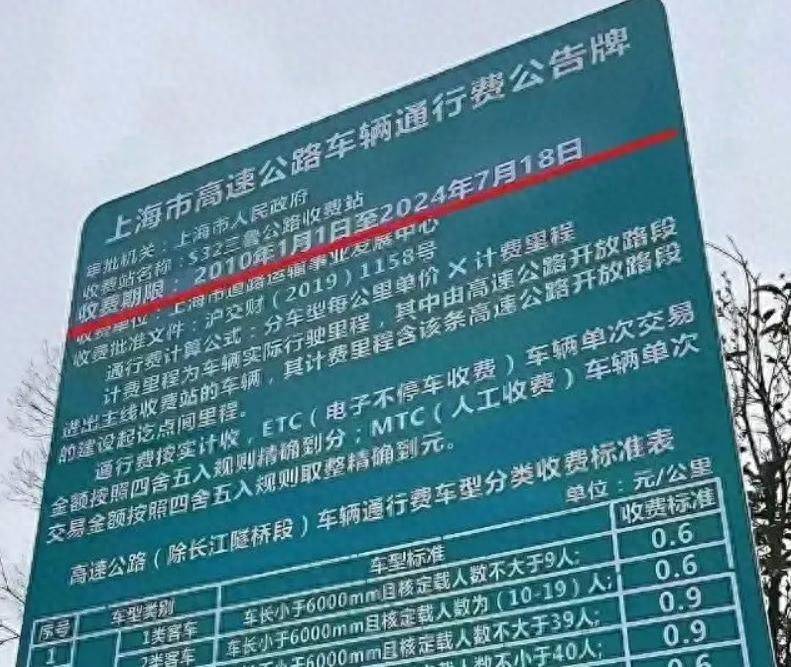
It was supposed to suspend the speed of charges and renew them
Friends who travel regularly to and from shanghai on a high-speed basis, perhaps many years ago, have followed the news that the billing period between 1 january 2010 and 18 july 2024 was indicated on the billboard。
Many people are happy to see this news. After all, this year is 2024, and the date for the abolition of fees will save us a lot of money to go to sea。
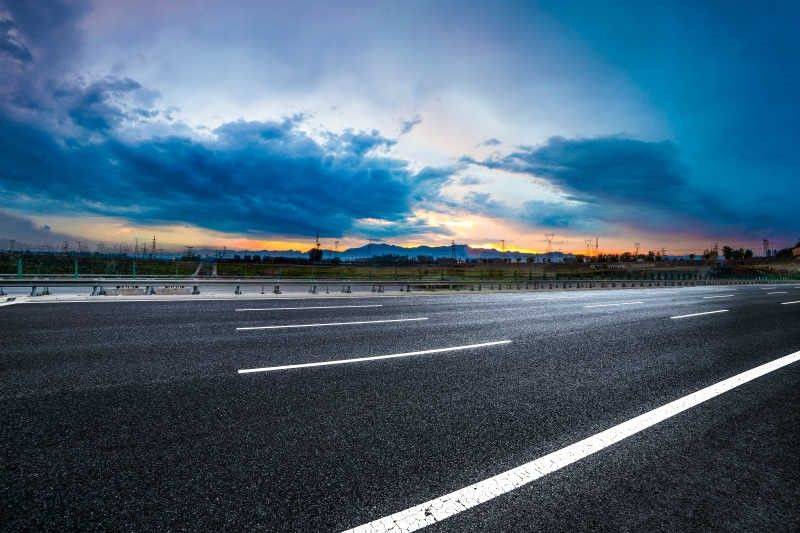
However, 18 july has become a thing of the past, and what is expected has not happened. New announcements were presented on the sections that had been provisionally cancelled。
The new bulletin board wiped out the information before, and the fee period on it was no longer the original 18 july, but instead maintained according to the shanghai highway。
This also means that the original “free” is out of the question, and the fees are still going on, no different from before。
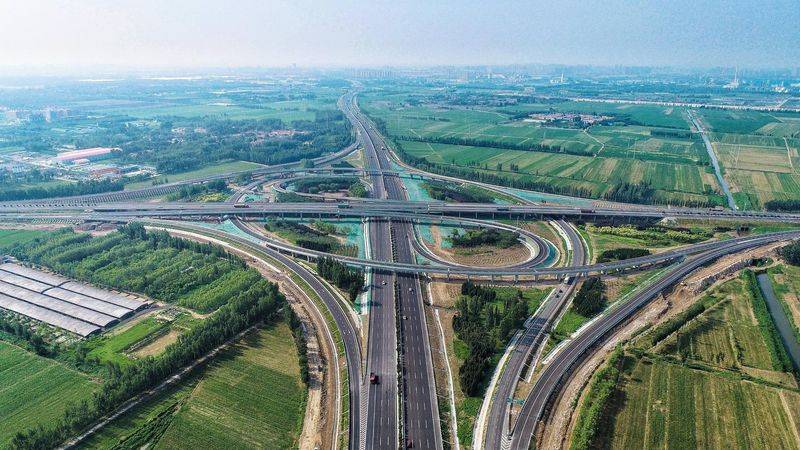
High-speed charges originated in 1988, 36 years old
In fact, many people are wondering why people need to charge fees for driving highways that are built by the state. After all, there seems to be no high-speed charge abroad, which seems to be a feature of china。
The high-speed charges began in 1988, when the first high-speed construction in the country was launched in october of that year. The high speed also officially opened the era of fees, affecting all drivers。
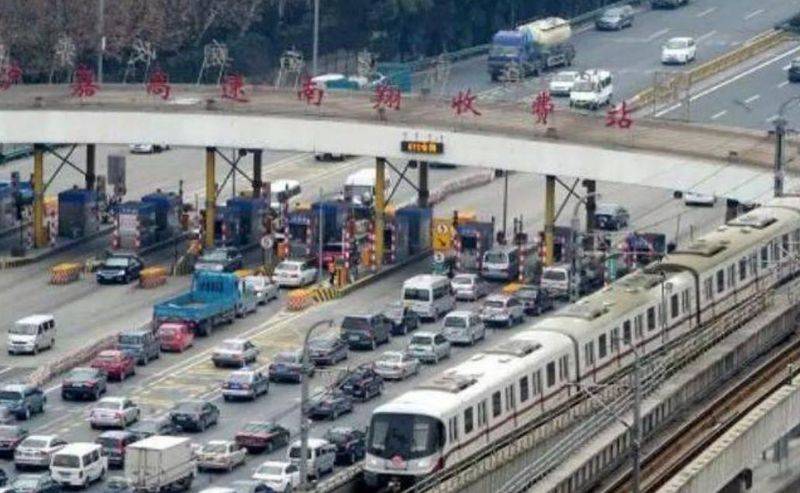
(first charge high speed)
Indeed, the high-speed collection of fees is closely linked to a policy implemented by our country。
People in the 1950s and 1970s may have been impressed by the fact that in the 1980s our economy was not rich, and that it was poor in comparison to developed countries and neighbouring countries。
At that time, the country realized that “to be rich, we have to build roads first”, and without the support of roads, it would be difficult for a country to continue to grow and grow, and local resources and products could not be transported to other places, and others could not enter another place。
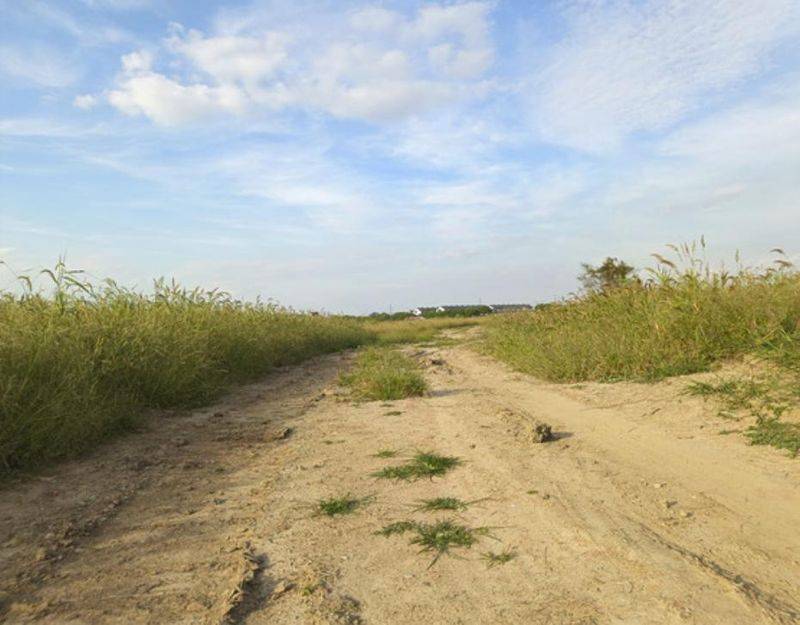
At that time, people wanted to buy and sell, and they had to rely on the pick-up. People pick up goods, walk around the village on one leg or rush to a fixed market to buy and sell, sometimes to buy something to go back and forth for hours。
The most important thing to change that situation was to build roads, which only made it possible to move towards a new era。
But how can we break this deadlock when national funds are weak and the vastness of our territory makes it very difficult to lay out a vast network of lines, even more so when it involves funds that cannot be calculated
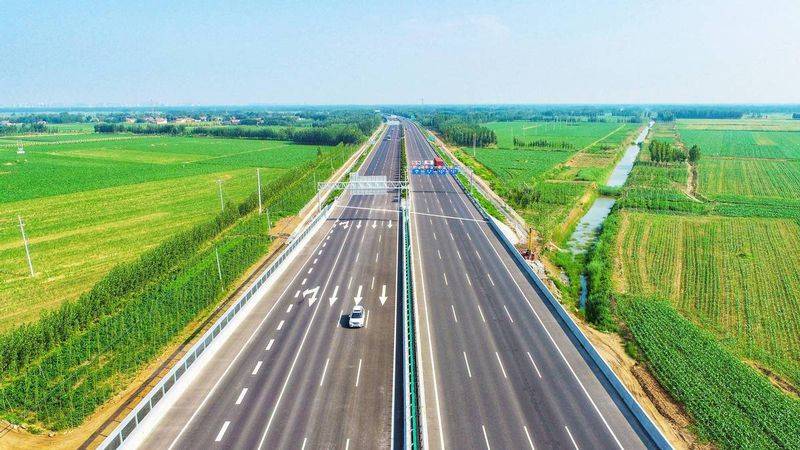
In 88, a joint agreement between several departments resulted in a provision for road construction and the implementation of “loaning for road repairs and fee repayment”. In short, loans are made to settle the problem of money without the availability of funds, and once the money is available, road construction begins。
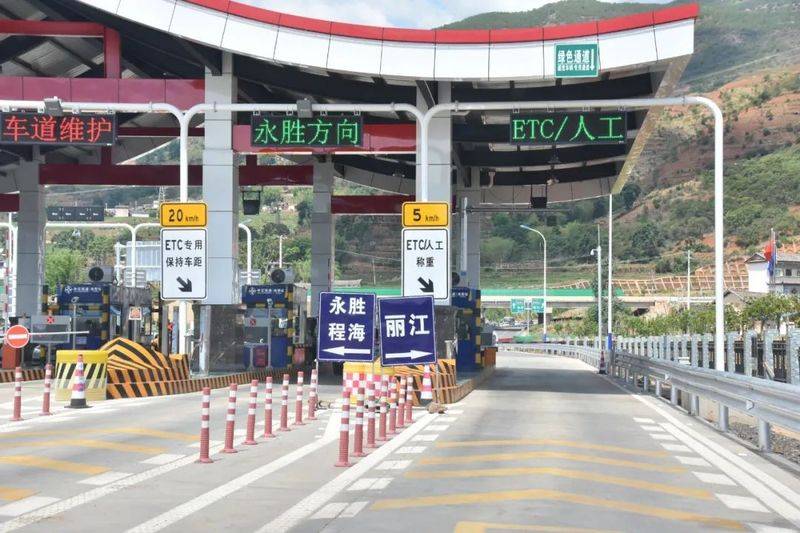
Once roads have been built to make them accessible, vehicles can be allowed to move freely. But this route is not free, and the passing vehicle will be charged each way according to the mileage, which is commonly referred to as the passing fee. The problem of loans was also resolved by combining these collected costs for repayment。
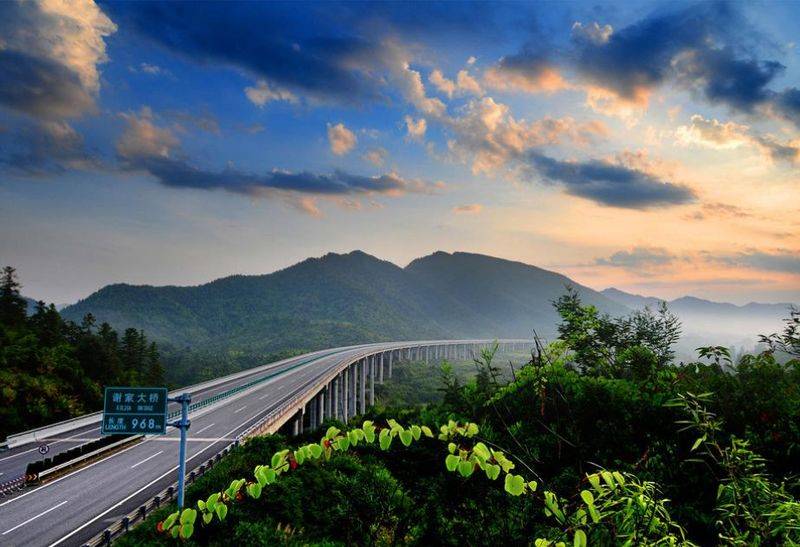
It is this model that has enabled our country's roads to be quickly paved and the national road network to be completed in a short period of time. The completion of the road has also brought about dramatic changes in our country and accelerated the modernization process。
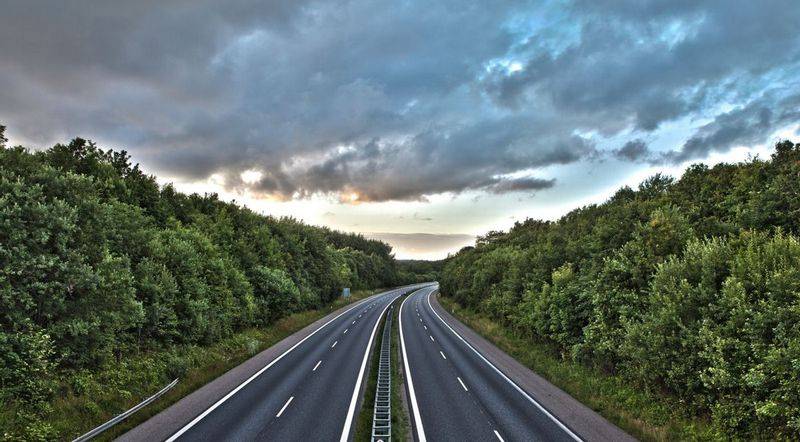
The speed of road construction is also known if the initial loans are not paved and repaid in the form of fees. Maybe a lot of places are 10 years or even decades behind。
High-speed roads are now available not only to every city in every province, but also to rural areas, where roads are generally paved and easily accessible。
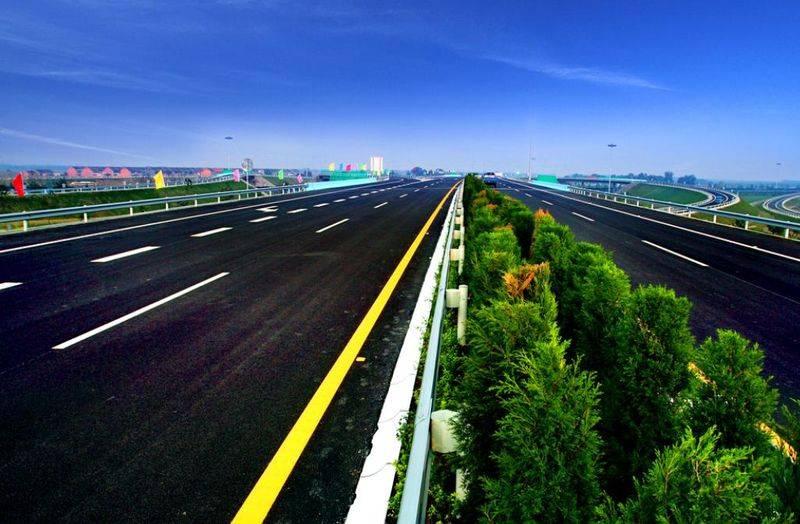
The freeway recovers costs
The cost of laying a high speed is high, and the cost of driving a vehicle is understandable to all。
But a number of netizens have also questioned why the high-speed construction has taken a long time to recover costs from the fees that have been charged for so many years, and why can we continue to charge for free travel
Indeed, even if the high-speed rate is already back on the charge, it will have to be charged on a continuous basis. This is because road operations are far more complex than we thought。
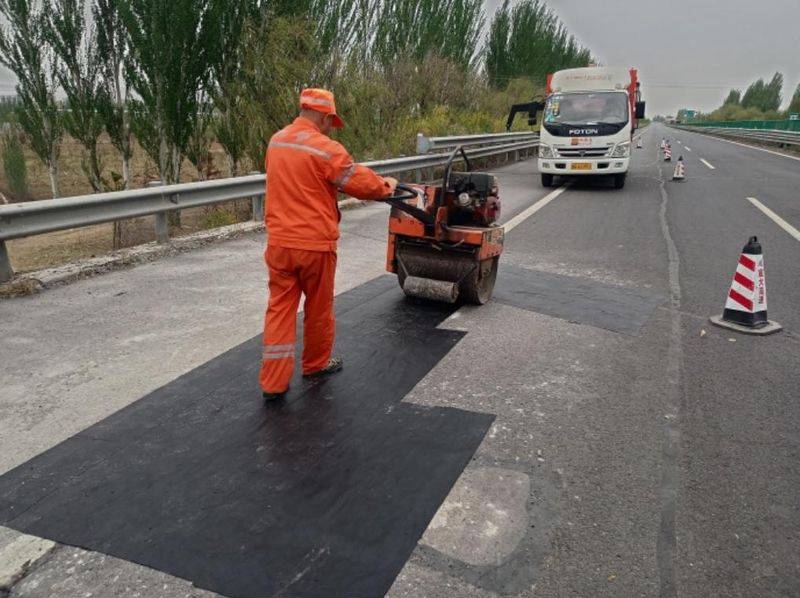
First, high speed is not built once and for all. In places where you live, you will often see boreholes cutting open and re-painting the roads that were built. Blocks of closed or reconstructed roads are also frequently observed on highways。
With the wind blowing and a car crushing, the roads also occasionally have minor problems. In some cases, the marking lines on the road are blurred; in some cases, the road surfaces have fallen slightly; in others, the roads have broken apart and there are security risks。
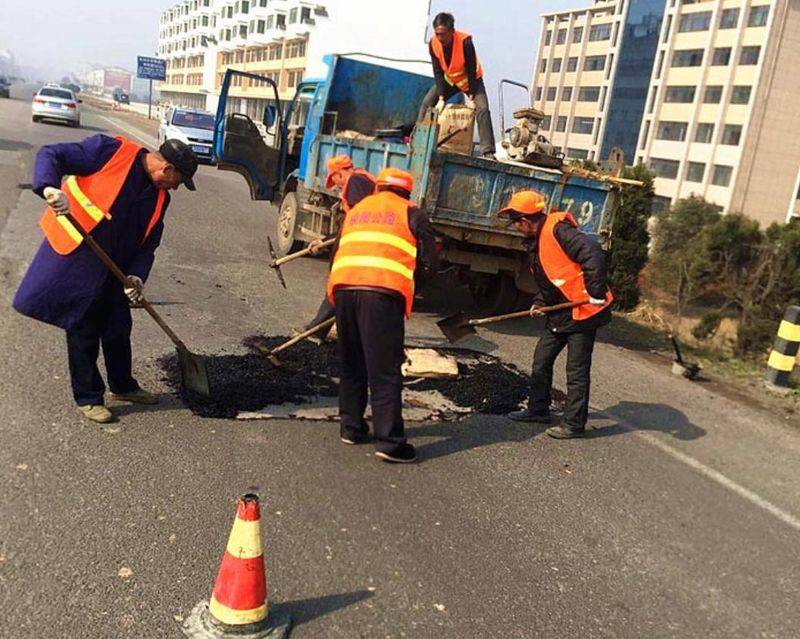
Once the roads are paved, annual maintenance is required, and even part of the road is reearthed. In particular, during holidays, there is a high number of vehicles arriving on the road, and occasional traffic police, etc., are required for accommodation. The costs of labour, materials, etc. Are not low。
In the absence of a continuous fee, roads may be damaged with delays in repairing, resulting in security risks. Over time, roads will not be sustainable to provide a convenient life, but will be a burden。
Although high-speed charges are not charged abroad, the situation varies from country to country and is not “free”. In germany, for example, they would be deducted from the cost of the road, which was also paid for, but in a different way。
There is also a distinction between public and private roads in france, where fees are charged, state subsidies are paid, and private roads where fees are set up. The united kingdom collects transportation fees and is very expensive。
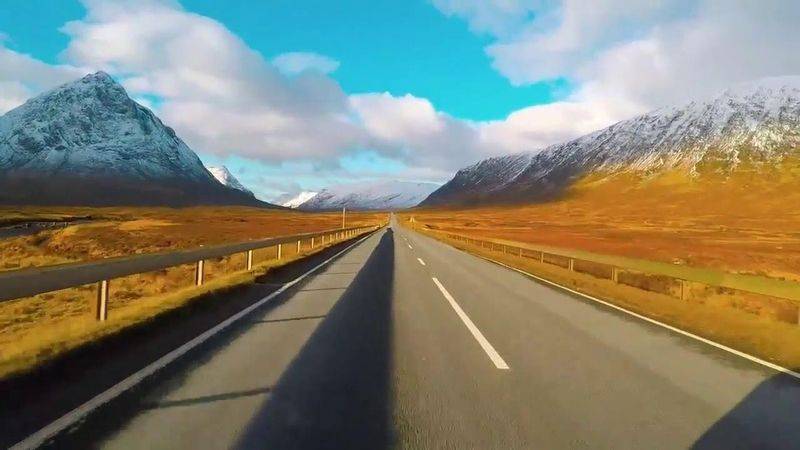
There have also been cases of free speed in our country, but for very short periods of time。
The former kyoto highway also had a fee period, which was supposed to stop on 22 november 2014, followed by a free policy whereby all vehicles passing through the route would no longer have to pay high-speed charges。
However, the free policy ended only in a short 40-day period, after which the high-speed mode of charging began and the 22-year fee scheme was reformulated。

In fact, free speed after the expiration of the commitment is not a small number, but it is true that it has not yet materialized. This is a source of frustration and even a habit for some netizens。
It was also said that free speed might not be available for life。

From a long-term perspective, there is still a long way to go in order to achieve full and rapid free access, and we are still developed countries。
It is more difficult to maintain high-speed normal operation and implementation, for example, by relying solely on government funding for road maintenance, while fees allow for sustainable road maintenance。
We can also see the practical utility of fees as they change in recent years. For example, many years ago, part of the highway was paved with cement, and it was common for cracks to be filled with tar. Most of the roads have now been replaced with brand-new tarp roads and are more comfortable and safe to travel。
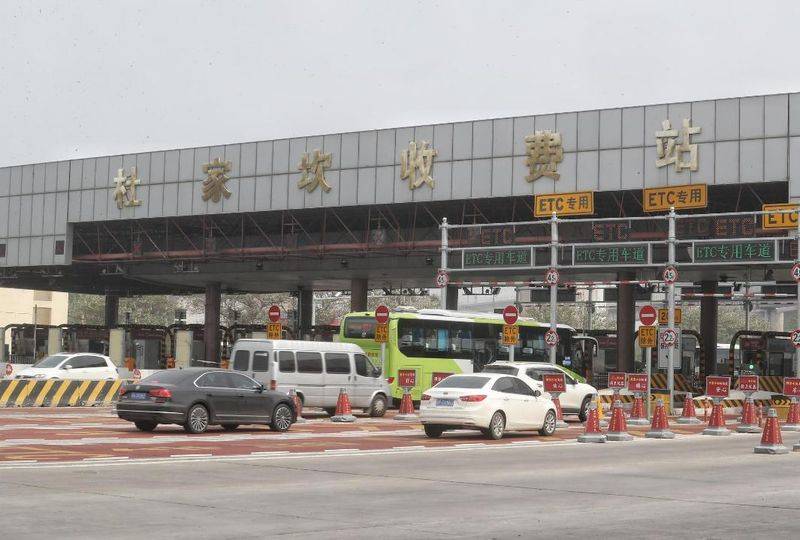
With regard to the “free” policy, which has been changing in recent years, since 2012 we have implemented a free holiday policy, which has been in place for 12 years now and has resulted in significant savings for many of our friends who go out on holidays or go home。
In recent years, there has also been an increase in the number of high-speed and free drivers who want to take advantage of free time, but a large number of vehicles can collide, causing congestion and heavy road pressure。
The need for a continuous fee is understandable, and perhaps after recovery, lowering high-speed costs is a viable model, what do you think
References: